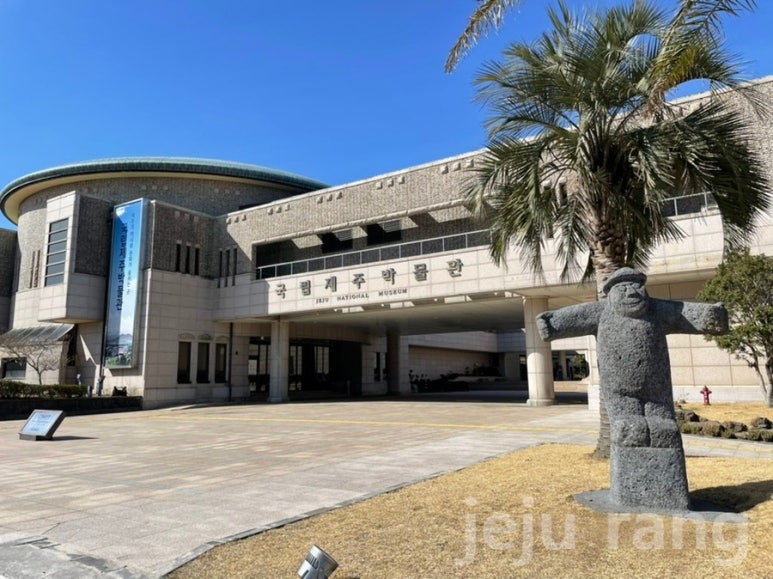
Jeju National Museum: A Complete Guide to Jeju’s History (Free Entry!)
📌 Visitor Information
| 📍 Address | 17 Iljudong-ro, Geonip-dong, Jeju-si, Jeju Island |
| 🕘 Tue–Fri | 09:00 – 18:00 |
| 🕘 Sat, Sun & Holidays | 09:00 – 19:00 |
| 🌙 Night Opening | Mar–Oct (Saturdays): open until 21:00 |
| 🚫 Closed | Every Monday (if Monday is a holiday, closed the following day), January 1st, Lunar New Year (Seollal), Chuseok |
| 💰 Admission | FREE (permanent exhibition) |
| 📞 Phone | (+82) 064-720-8000 |
If you’re visiting Jeju and want to understand the island beyond its beaches and volcanic landscapes, Jeju National Museum is an absolute must-visit — and best of all, it’s completely free.
Opened in June 2001, this museum takes you on a fascinating journey through Jeju’s entire history, from its volcanic origins to the daily lives of its people through the ages. It’s one of the most rewarding indoor experiences on the island, especially if the weather isn’t cooperating.
Bonus for families: The museum recently opened a dedicated Children’s Museum wing, thoughtfully designed for younger visitors with hands-on, age-appropriate exhibits. If you’re traveling with kids under elementary school age, the Children’s Museum is the perfect starting point. For older children and adults, the main permanent gallery is the highlight.
Inside the Permanent Exhibition Hall
Once you pass the information desk, you’re immediately welcomed into the permanent exhibition hall. The journey begins on the left with prehistoric Jeju and flows chronologically through the Tamna Kingdom, the Goryeo Period, and the Joseon Dynasty — ending with a moving look at how ordinary Jeju people lived.
Don’t miss the AI guide robot near the entrance, which provides interactive information at the touch of a button. Personally, I preferred wandering at my own pace, but it’s a helpful option — especially for families or those who want a structured tour.
Prehistoric Jeju — Older Than You Think
Paleolithic Period
Jeju was formed through repeated volcanic eruptions between 1.8 million and 100,000 years ago. During the Paleolithic era, Jeju, the Korean Peninsula, China, and the Kyushu region of Japan were connected by land, allowing people to move freely between them. The museum displays the tools these early inhabitants used — stone blades, scrapers, and other chipped-stone implements — alongside depictions of their cave-dwelling, hunter-gatherer lifestyle.
Neolithic Period
After the last Ice Age ended around 10,000 years ago, rising sea levels separated Jeju from the mainland, turning it into an island. Despite this, Neolithic culture continued to flow in from the southern Korean Peninsula. Remarkably, one of the most significant Neolithic sites in Northeast Asia was discovered right here at Gosan-ri in Hangyeong-myeon, and the artifacts on display here are extraordinary.
Bronze Age
After Jeju became an island, Bronze Age culture gradually arrived and transformed island life. Evidence of this period was found at archaeological sites in Samyang-dong and Yongdam-dong in Jeju City, where distinctive Jeju-style house foundations were uncovered. Polished stone tools were widely used, and certain social classes are believed to have possessed actual bronze items — an early sign of social stratification.
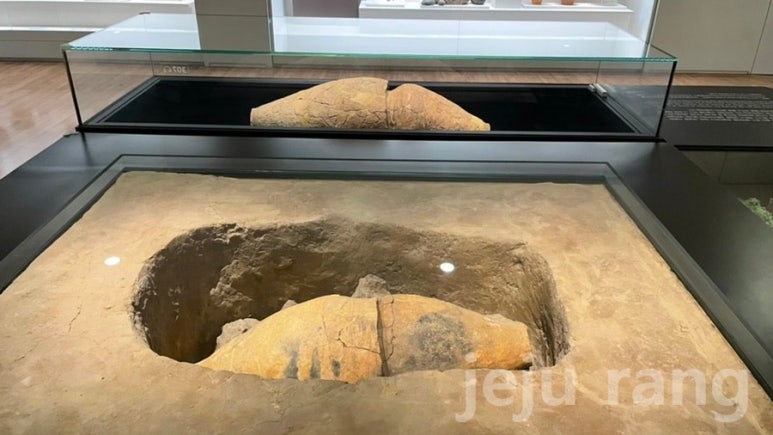
One particularly striking discovery was the dok-mudeom (jar burial): a funerary practice in which the deceased or their bones were placed inside a large earthenware vessel, then set into a pit lined with stones and covered with earth. Seeing these vessels up close is quietly haunting.
The Kingdom of Tamna
As the Three Kingdoms of Korea (Goguryeo, Baekje, Silla) rose on the peninsula, Jeju developed its own ancient kingdom: Tamna — from “tam” (island) and “ra” (country/nation). You’ll still hear the word “Tamna” used around Jeju today, and now you’ll know exactly where it comes from.
Midway through the exhibition, there’s a small theater showing a short video about the Tamna Kingdom — a perfect excuse to rest your feet and soak in the story.
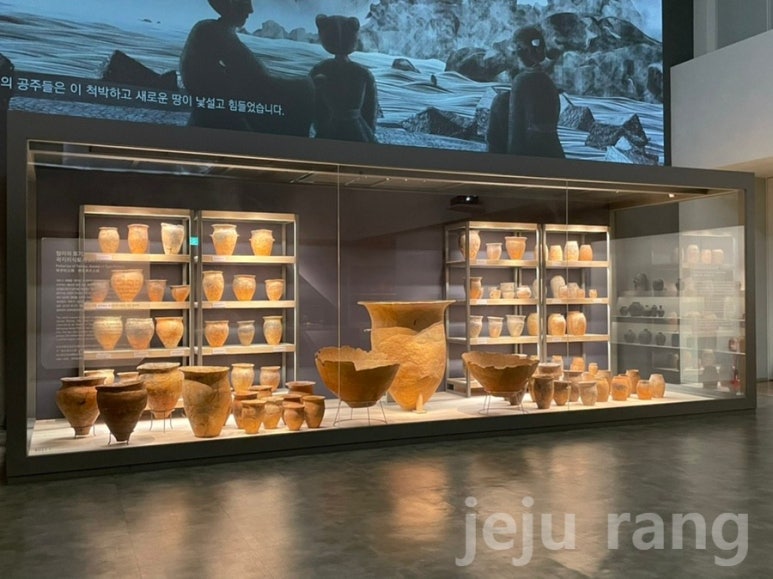
The earthenware (pottery) displayed from this era is fascinating: remarkably, the same style of pottery was used across the entire island, suggesting a deeply unified cultural identity even in ancient times.
Goryeo and Joseon Periods
Goryeo Period
When most people think of the Goryeo era, celadon pottery immediately comes to mind. While Jeju didn’t produce celadon itself, its maritime position made it an ideal transit point for sea trade. In a remarkable find, Chinese celadon and gold bracelets were discovered in the waters off Sinchang-ri in Hangyeong-myeon, believed to be the wreckage of a trading vessel en route from China to Japan. This confirms that Jeju was a key hub in East Asian maritime trade — a fact that makes you look at the island very differently.
Joseon Period
The exhibition covers Joseon-era governance artifacts and the remains of the Jeju-mok Government Office (제주목 관아), the administrative center through which central government officials ruled the island. Much of the original complex was destroyed during the Japanese colonial period, but the excavated foundations tell a vivid story.
During this era, Jeju faced frequent raids by Japanese pirates (wokou), prompting the construction of three walled fortresses (eupseong), defensive outposts, 25 fire-signal beacons, and 38 coastal watchtowers. Remnants of these defensive structures can still be spotted across the island today.
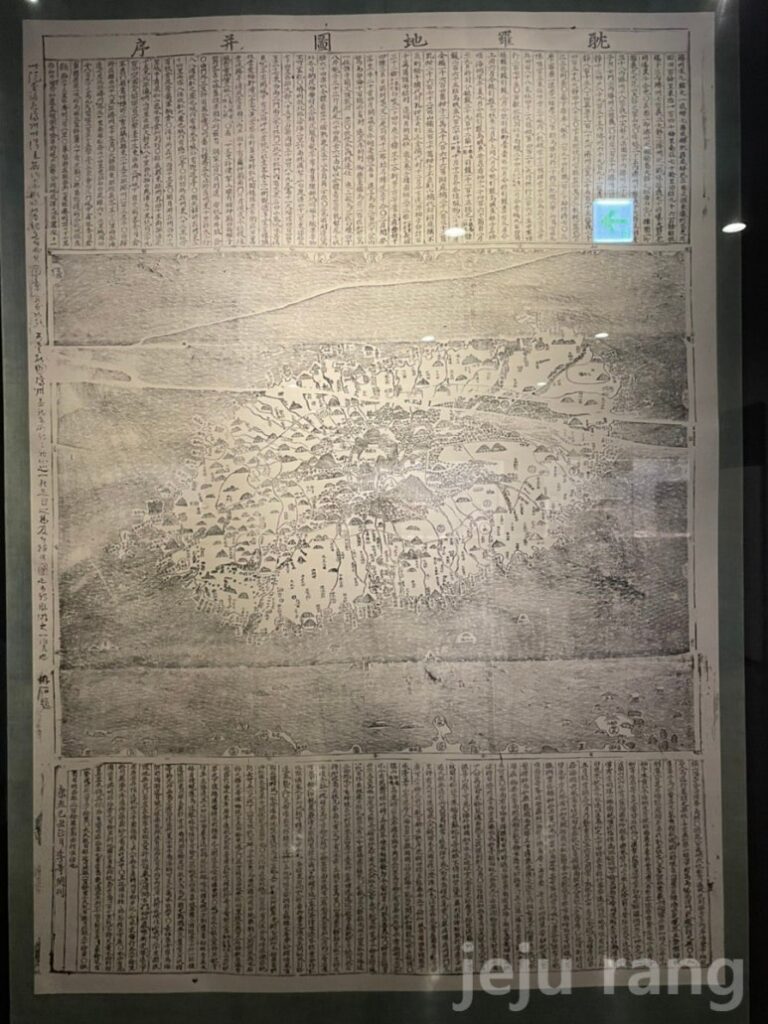
Also on display is the stunning Tamna Jido Byeongseo, a detailed map of Jeju created in 1709. The precision and artistry involved are genuinely jaw-dropping for something made over 300 years ago.
Winding Down — A Surprisingly Moving Finale
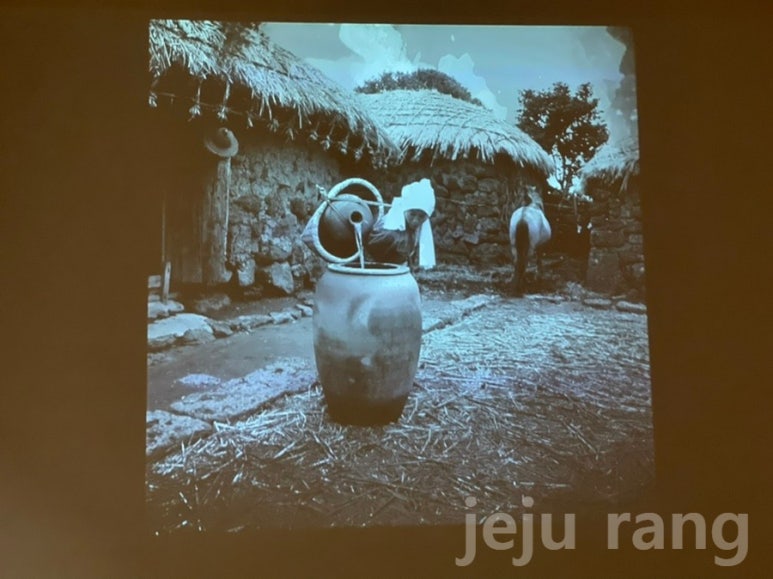
Near the end of the gallery, a comfortable rest area gives way to a short video installation — rare footage edited from the 1950s to 1970s depicting Jeju’s landscape and the daily hardships of its people. It’s brief, but genuinely touching. Find a seat and let it wash over you.
Practical Tips for Visitors
For families with young children: visit the Children’s Museum first, then the main hall for older kids.
Budget 1.5–2 hours for the main museum. Add extra time if visiting the Children’s Museum.
Saturday night visits (Mar–Oct) are a hidden gem — the museum stays open until 21:00 and the atmosphere is much quieter than daytime.
The museum sits at the edge of Sarabong Park, so a post-visit walk in the park is highly recommended.
Last admission is 1 hour before closing.
![[Jeju] Seongsan Ilchulbong (Sunrise Peak): The Ultimate Insider Guide](https://roamingrang.com/wp-content/uploads/2026/06/Seongsan-Ilchulbong7-e1782229379181-768x768.jpg)