Singapore to Johor Bahru Train vs Bus : Which One Should You Take in 2026?
Singapore to Johor Bahru train travel is one of the most common cross-border questions for anyone living in or visiting Malaysia, and after years of flying into Singapore from Penang, we finally did the whole thing by land — driving from Kuala Lumpur, spending a night in Johor Bahru, and crossing the Causeway by both train and bus on the same trip. This guide breaks down exactly what that experience is like, verified against the latest 2026 schedules and fares, so you can decide which option actually fits your trip.
1. Getting from Kuala Lumpur to Johor Bahru First
If you’re not driving directly to Singapore, there are two main approaches. The fastest is a direct KL–Singapore bus, departing from TBS (Terminal Bersepadu Selatan) or KL Sentral, with fares starting around RM45 and a journey time of roughly 5–6 hours. These buses are air-conditioned with reclining seats and can be booked in advance through platforms like Easybook, Klook, or Omio.
The second option — the one we chose — is treating Kuala Lumpur to Singapore by land as a two-stage trip: driving to Johor Bahru first, staying overnight, and continuing on to Singapore from there. The drive from Kuala Lumpur to JB takes about 3 hours 30 minutes depending on highway traffic, which is a manageable stretch even with kids in the car.
1) Where we stayed in Johor Bahru
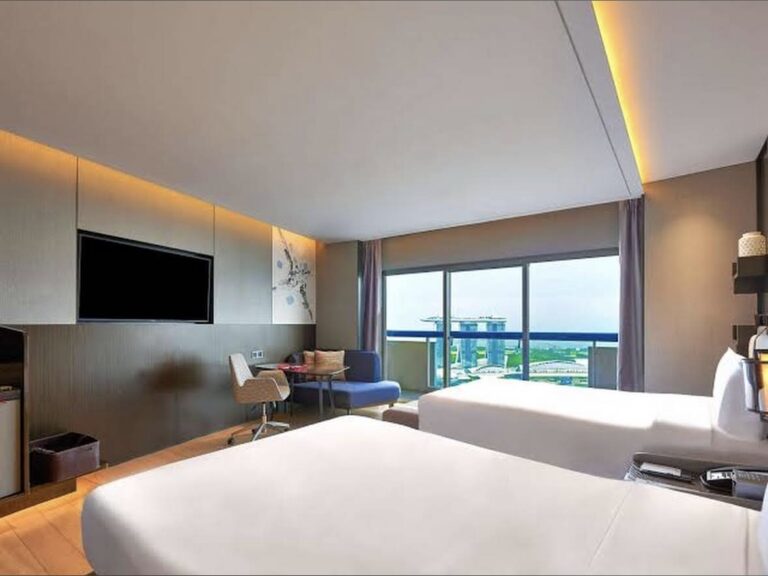
We spent the night at the Sheraton Johor Bahru before continuing on to Singapore the next morning. If you’re planning a similar overnight stop in JB, I’ve written a full review of our stay there — [Sheraton Johor Bahru], which covers the room, breakfast, and how convenient it was for an early departure to JB Sentral.
2. Three Ways to Cross from Johor Bahru to Singapore
Once you’re in JB, there are three ways to cross into Singapore: the KTM Shuttle Tebrau train, the Causeway bus, or driving/chartering a car. Our family tried the first two on the same trip — train on the way there, bus on the way back — and the difference was significant.
1) KTM Shuttle Tebrau (the train)
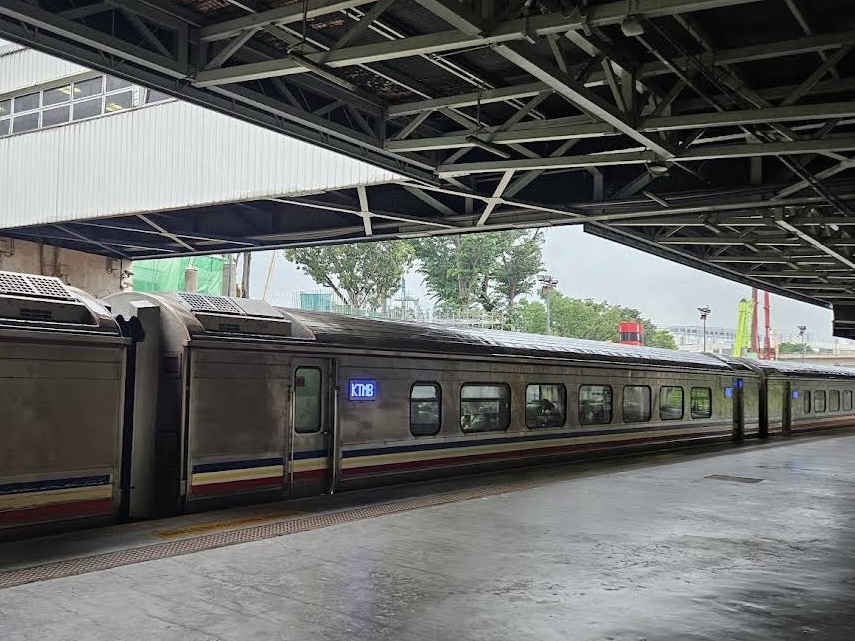
The KTM Shuttle Tebrau connects JB Sentral directly to the Woodlands checkpoint in Singapore in just 5 minutes of actual travel time. Including immigration clearance, the whole process took us under 30 minutes door to door.
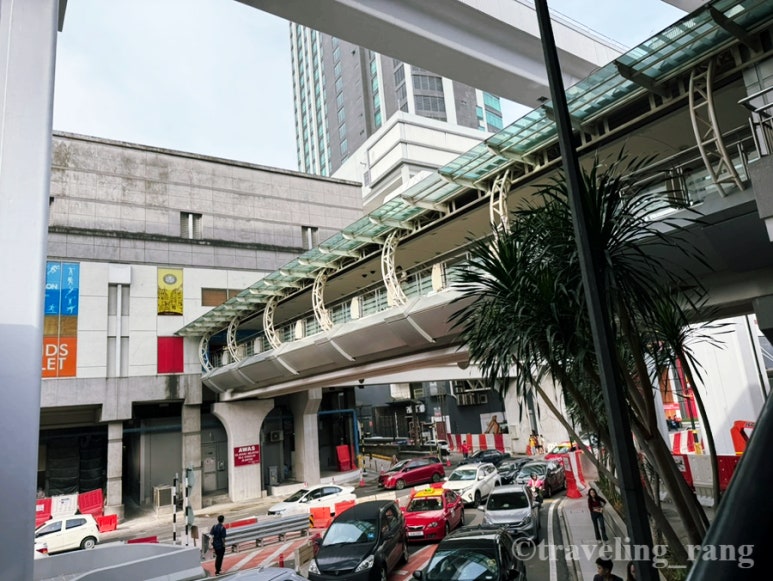
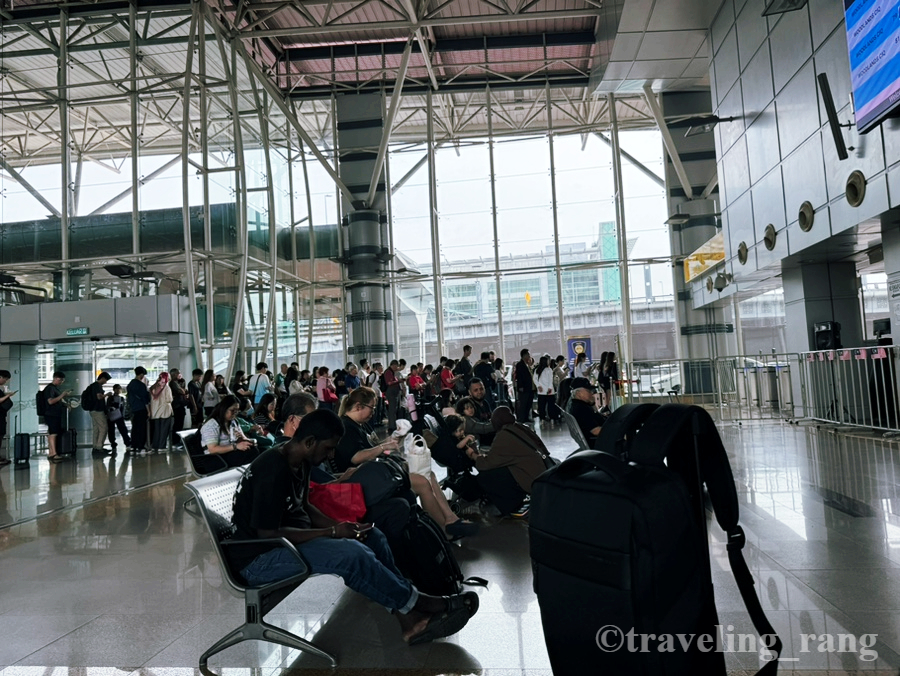
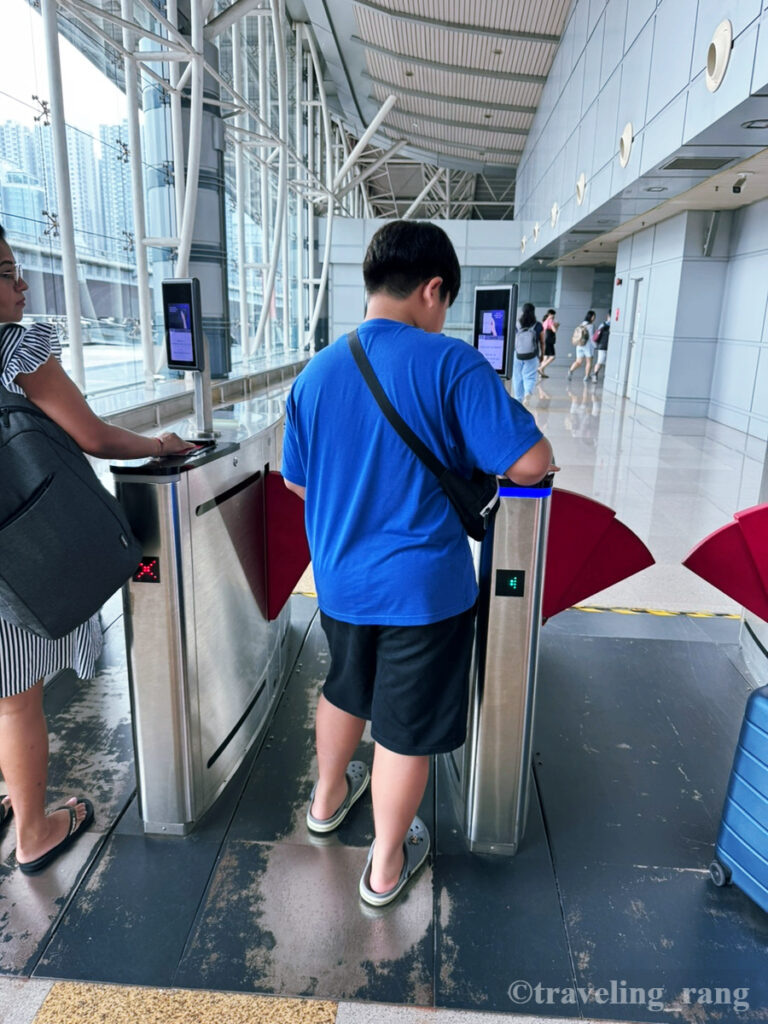
JB Sentral station has a comfortable waiting hall connected directly to City Square Mall, which made it easy to grab a meal or do some shopping before or after boarding. Boarding works similarly to an airport — you scan your passport at the gate before going through Malaysian exit immigration. Seats aren’t assigned, but since the ride itself is only 5 minutes, there’s no real need to look for a specific spot. Our kids spent the whole ride standing by the doors watching the sea go by, and we arrived at the Woodlands checkpoint almost before we’d settled in.
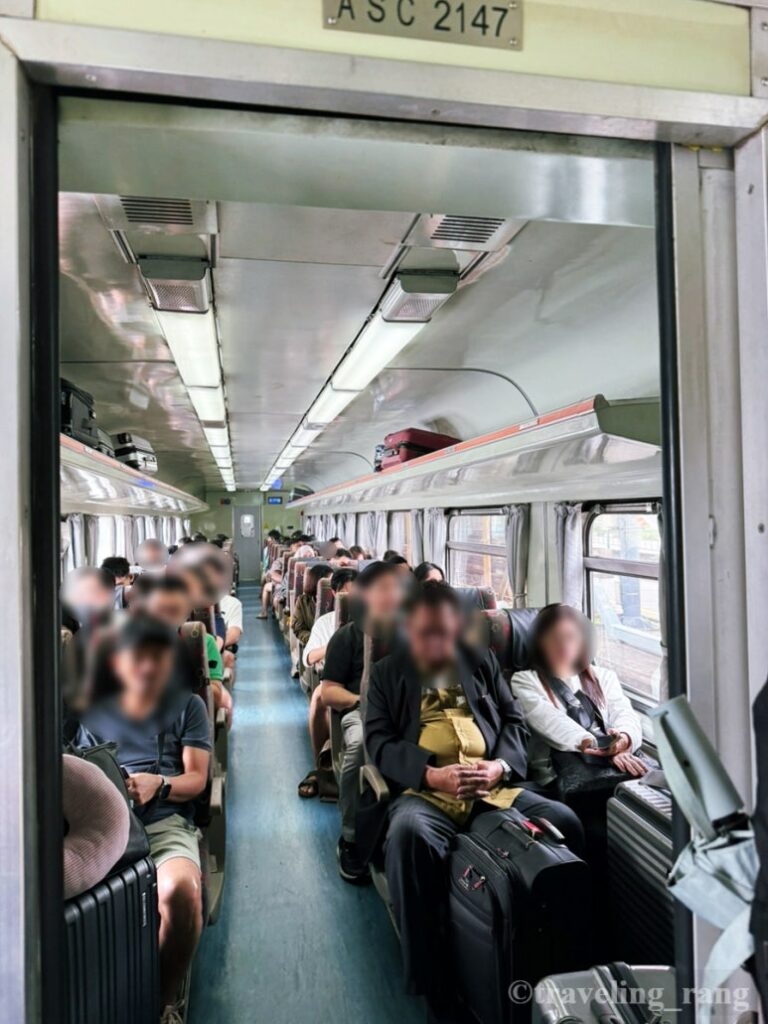
Current fares and schedule (verified 2026):
- RM5 one-way from JB Sentral to Woodlands
- S$5 one-way from Woodlands to JB Sentral
- Children under 4 ride free; no other concession fares available
- Roughly 13 daily departures from Singapore to JB, and 18 daily departures from JB to Singapore
- Tickets must be booked in advance through KTMB’s official site, especially for weekends and public holidays, when seats sell out quickly
- Your passport must have at least 30 days of validity remaining beyond your travel date to book
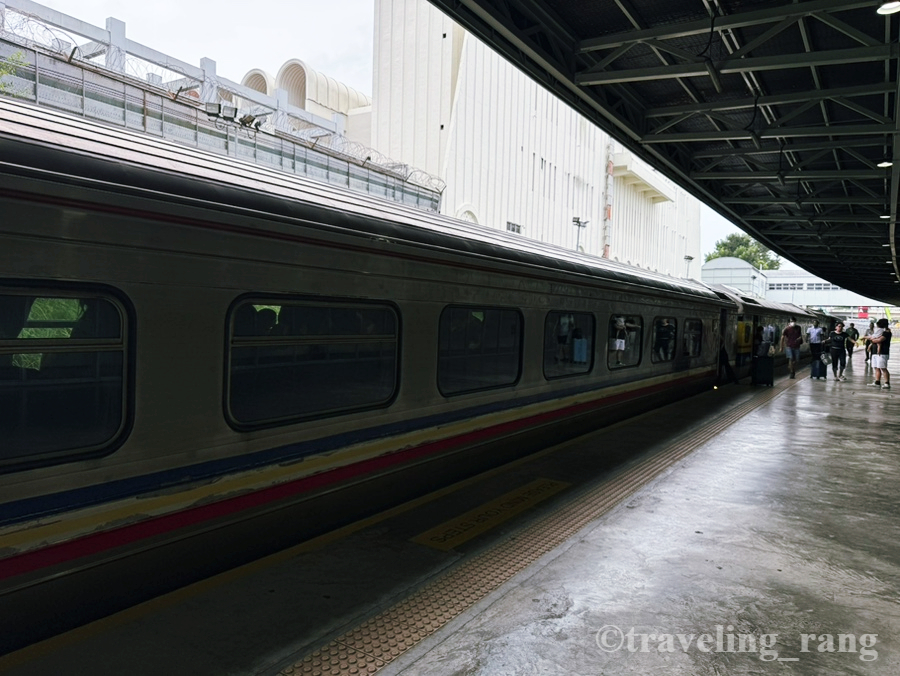
The single biggest advantage of the train is that both exit and entry immigration are handled along the way, with no need to disembark and re-board mid-journey. You clear Malaysian exit immigration inside JB Sentral, arrive at Woodlands, clear Singapore entry immigration, and you’re done — which makes a real difference when you’re traveling with kids and luggage.
2) JB to Singapore bus (the Causeway bus)
Coming back, we took the JB to Singapore bus instead, and honestly, it was considerably more of a hassle than the train. The upside is real: bus tickets cost only RM4.8, don’t require advance booking, and buses run frequently throughout the day.
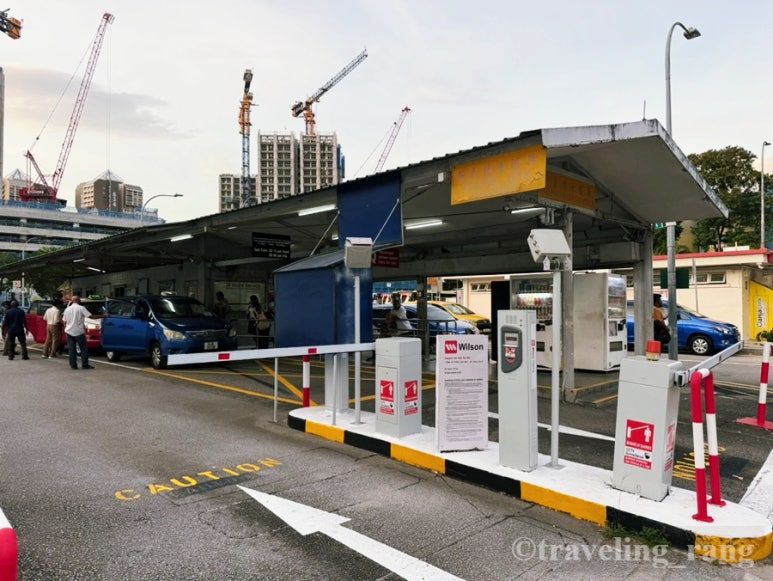
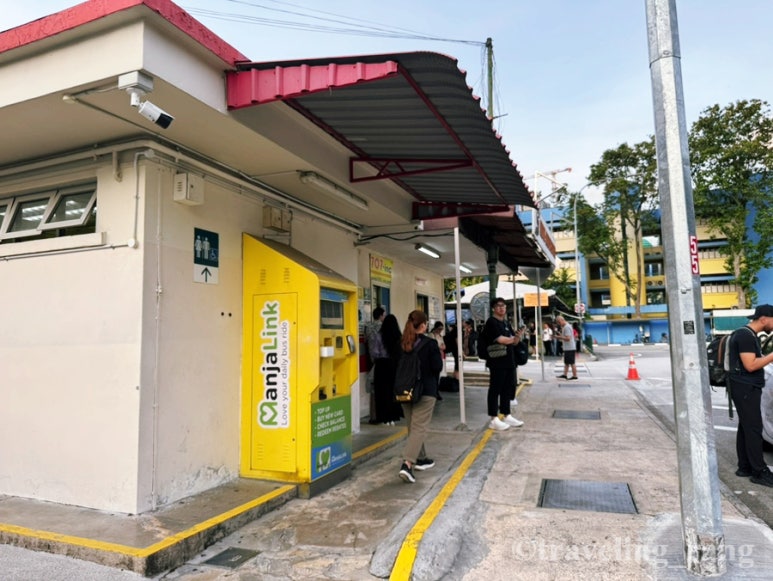
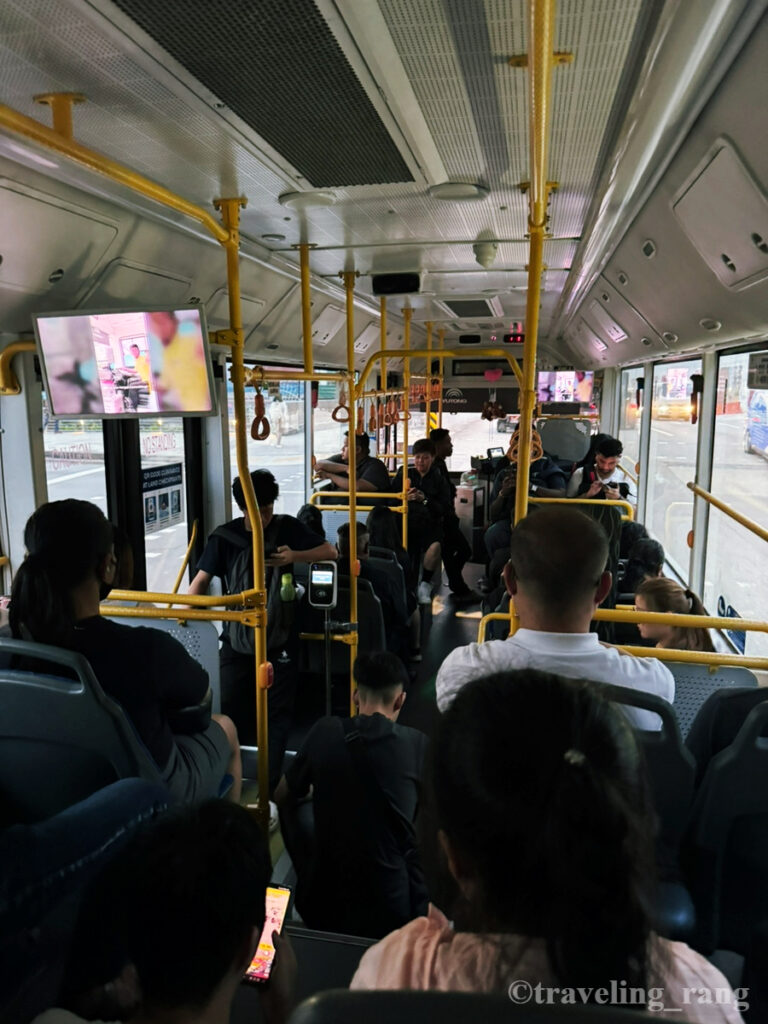
The downside is the sheer number of people trying to board. We ended up waiting over 30 minutes in the heat just to get on, packed in with local commuters heading to and from work, with people standing in the aisles when seats ran out. We were lucky enough to get seats, but carrying luggage through two separate boarding and immigration stops proved physically tiring, especially for our kids.
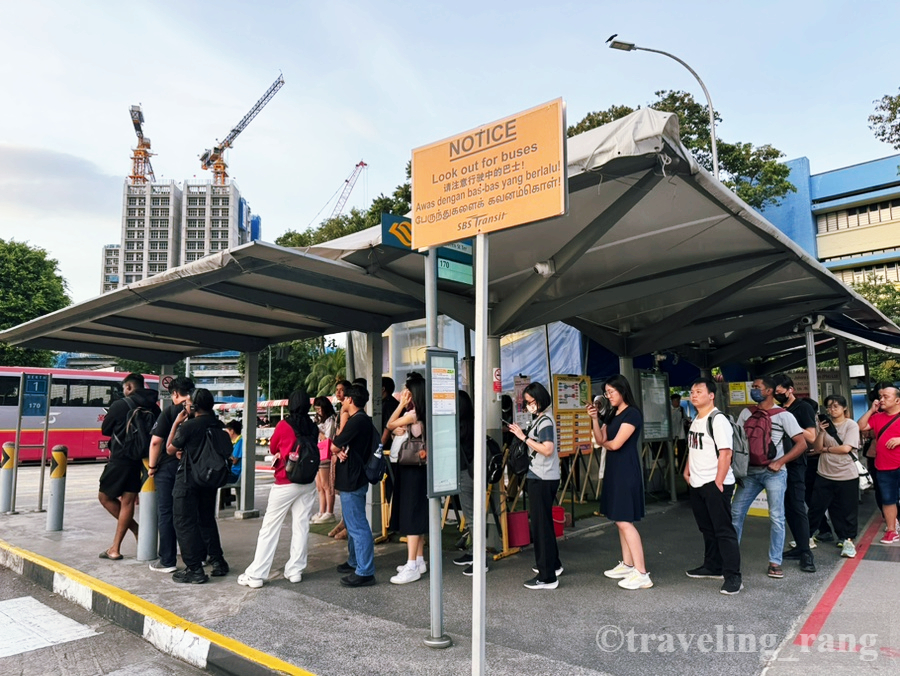
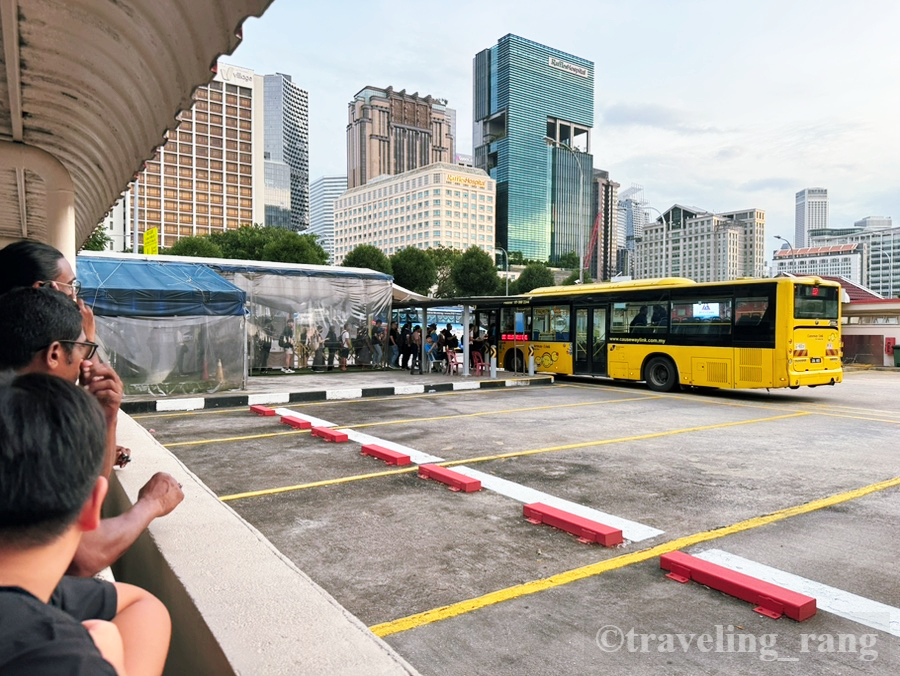
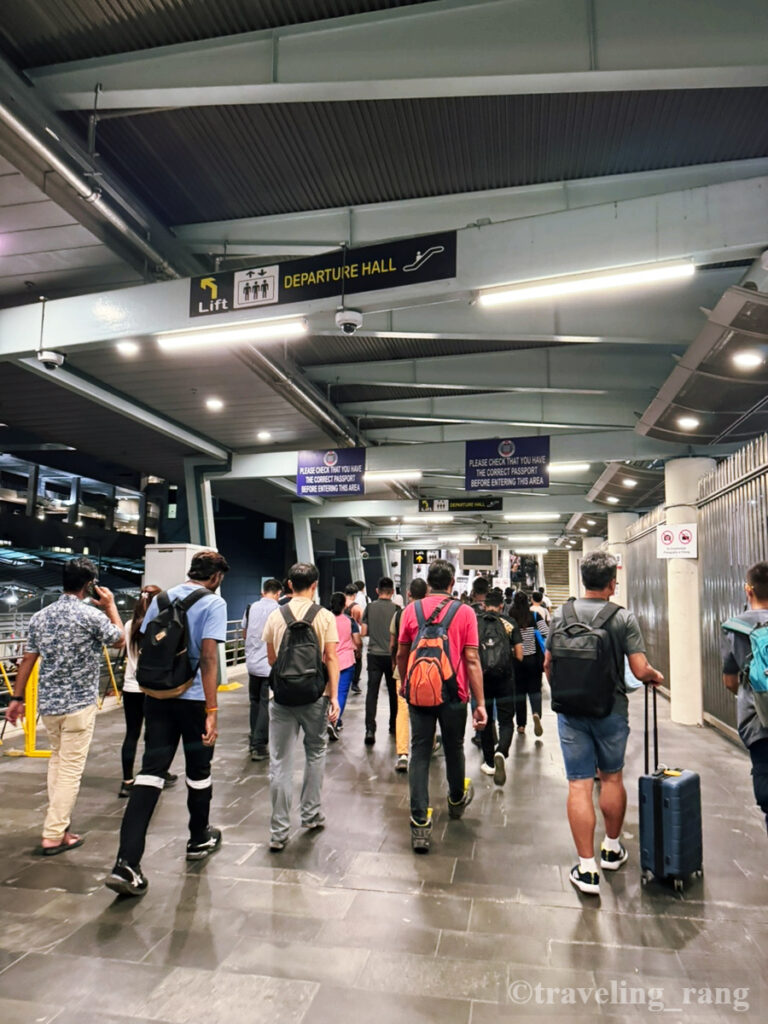
Unlike the train, the bus requires passengers to disembark at the Woodlands checkpoint for exit immigration, then queue again to board a different bus — not the one you arrived on — before repeating a similar process at JB Sentral for entry immigration. Depending on traffic and immigration queues, the whole crossing can take anywhere from about an hour to well over two hours; ours took over two hours because we happened to travel during the evening commuter rush.
3. Train vs. Bus: Our Honest Verdict
Having done both in the same trip, we’d strongly recommend the train for most travelers. The bus is cheaper and drops you at more locations across Singapore, but the repeated boarding and immigration stops made it noticeably more exhausting in practice than it sounds on paper — particularly during commuter hours.
The train, by comparison, is simple: no re-boarding, immigration handled in sequence, and a total journey time under 30 minutes. If this is your first time crossing by land, we’d recommend starting with the train.
4. What’s Changing: The RTS Link
If you’re planning this trip further out, it’s worth knowing about the RTS Link Singapore JB project — a new cross-border rail line connecting Woodlands North MRT station in Singapore to Bukit Chagar in Johor Bahru. Both governments have now officially confirmed it will open in January 2027. Once it launches, the current KTM Shuttle Tebrau is expected to be phased out roughly six months later, around mid-2027.
We happened to travel while the Shuttle Tebrau was still fully operational, and honestly, there was something almost nostalgic about riding what will eventually become a retired route. If a land crossing is on your list, there’s still a reasonable window to experience the current KTM Shuttle Tebrau before it’s replaced.
5. Practical Tips for This Route
- Book KTM tickets the moment your dates are confirmed. Passport details are required, and your passport must be valid for at least 30 days past your travel date.
- Avoid weekend and public holiday travel if possible — Shuttle Tebrau tickets for these dates sell out fast.
- If taking the bus, avoid commuter rush hours (early morning and evening) to reduce wait times and crowding.
- Bus fares can be paid with a regular credit card, which made things convenient for us.
- JB Sentral connects directly to City Square Mall, so it’s an easy place to grab a meal before or after your crossing.
- If you’re driving instead, chartering a car means only the driver needs to step out for immigration — everyone else stays in the vehicle throughout.
Who Should Choose Which Option?
If simplicity and comfort matter more to you than saving a few dollars, take the KTM Shuttle Tebrau — especially if you’re traveling with kids or heavy luggage. If you’re traveling solo, on a tighter budget, and don’t mind a bit of extra hassle, the Causeway bus still works, just build in extra time. And if you’re planning this trip after January 2027, keep an eye on the RTS Link, which is set to make this crossing faster and far more frequent than either current option.
FAQ
How do I travel from Singapore to Johor Bahru by train?
The KTM Shuttle Tebrau connects the Woodlands checkpoint in Singapore to JB Sentral in Johor Bahru in about 5 minutes of ride time. Tickets should be booked in advance via KTMB’s official website, and a passport with at least 30 days of remaining validity is required.
How much does the Singapore to Johor Bahru train cost?
The fare is S$5 one-way from Singapore to JB, and RM5 one-way from JB to Singapore. Children under 4 ride free, with no other concession fares available.
Is the train or the JB to Singapore bus better for crossing the border?
The train is generally faster and less physically demanding, since it doesn’t require disembarking and re-boarding during immigration. The bus is cheaper and offers more drop-off points across Singapore, but involves more waiting and re-boarding, especially during commuter hours.
When will the RTS Link open between Singapore and Johor Bahru?
As of the latest confirmations from both governments, the RTS Link is set to open in January 2027, connecting Woodlands North MRT in Singapore to Bukit Chagar in Johor Bahru.
Will the KTM Shuttle Tebrau stop running once the RTS Link opens?
Yes, eventually. Current plans call for the Shuttle Tebrau to be phased out roughly six months after the RTS Link becomes operational, likely around mid-2027.
Ready to enter Singapore
Singapore SGAC (SG Arrival Card) Guide 2026: Everything You Need to Know Before You Fly