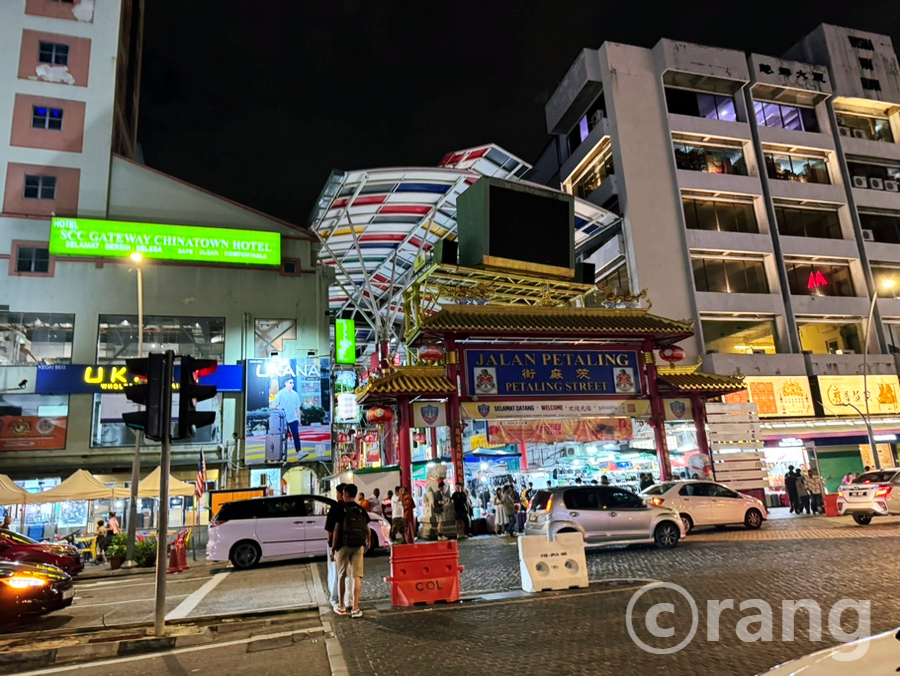
Petaling Street Market Kuala Lumpur: Hours, Prices & Honest Tips
Petaling Street Market is the open-air bazaar in the middle of Chinatown in Kuala Lumpur, Malaysia. It sells souvenirs, clothing, bags, accessories and snacks under red lanterns, and it is liveliest after sunset. This guide covers Petaling Street Market opening hours, how to get there, realistic prices, what is actually worth buying and what to see nearby. It comes from a family evening visit, checked against current 2026 details.

1. What Is Petaling Street Market in Chinatown Kuala Lumpur?
Petaling Street Market is a covered pedestrian street at the heart of Chinatown Kuala Lumpur. Red lanterns, Chinese-style gates and rows of stalls make it one of the most photographed scenes in the city. Even if you have no shopping plan, walking through Petaling Street Market is worth the detour for the atmosphere alone.

Unlike a typical weekly pasar malam that moves between different neighbourhoods, Petaling Street Market operates every day. Shops are open during the day, while more street stalls begin appearing in the late afternoon. As evening approaches, the street becomes livelier, with red lanterns lighting up the market and more visitors browsing the stalls.
1) Petaling Street opening hours at a glance
Opening hours vary depending on individual shops and market stalls, so there is no single fixed schedule for the entire street.
- Shops and daytime stalls: opening times vary by vendor
- Night market stalls: generally become active from around 6:00 PM
- Best time to visit: between 6:00 PM and 9:00 PM for the lively evening atmosphere
- Days: open daily, including weekends
From our visit, we noticed that some regular shops close earlier in the evening as visitors move towards the night market stalls. If you have a particular shop in mind, it is better to visit before dusk. For the latest opening information, check individual shop listings on Google Maps before heading out.
2) Is it a food market or a shopping market?
It is mostly a shopping market. The lit-up street is full of bags, clothes, accessories and souvenirs, with a few snack and fruit sellers mixed in. If your main goal is a big dinner, Petaling Street night market is not the strongest choice in the city. Visit Petaling Street Market for the Chinatown scenery and the browsing, then eat at a proper restaurant nearby (see Section 4).
3) How it compares with other Kuala Lumpur night market options
Kuala Lumpur has several night markets, and each one suits a different mood. Here is a quick comparison for first-time visitors.
| Market | Area | Best for | When it runs |
|---|---|---|---|
| Petaling Street Market | Chinatown, city centre | Souvenirs, bargain shopping, heritage atmosphere | Daily, busiest in the evening |
| Jalan Alor | Bukit Bintang | Street food and open-air dining under big parasols | Evenings, daily |
| Taman Connaught | Cheras (outer city) | A long, local-style market of roughly 2 km | Wednesday evenings |
Jalan Alor is the tourist favourite for food. Taman Connaught is billed as the longest Kuala Lumpur night market and feels much more local. Petaling Street Market sits in between: central, easy to reach by train and strong on atmosphere. Many travellers combine Petaling Street Market with sights in Chinatown Kuala Lumpur rather than treating it as a stand-alone stop.
2. How to Get to Petaling Street Market (Transport and Parking)
Petaling Street Market is easy to reach by public transport. Driving is possible, but parking close to the street is the hard part.
1) By train (the easiest option)
The nearest station is Pasar Seni, served by the LRT Kelana Jaya Line and the MRT Kajang Line. Central Market is directly connected to the station, and Petaling Street Market is roughly a five-minute walk from there. Alternatively, you can take the KL Monorail to Maharajalela Station and walk to Petaling Street, although this route takes longer than getting off at Pasar Seni Station.
From Pasar Seni you can walk to most Chinatown highlights, which is why we recommend the train for first-time visitors.
2) By car
We drove on our visit. Finding parking close to the street where Petaling Street Market is set up was difficult, so we left the car in a public car park behind the main street and walked in. The official Kwai Chai Hong website suggests the open-air car park on Jalan Balai Polis, about a two-minute walk away, and warns that parking in central Kuala Lumpur is limited and costly.
If you must drive, arrive a little before the evening rush. Otherwise, use a ride-hailing app and skip the parking stress.
3) Timing your arrival around the heat
Kuala Lumpur is hot and bright at midday. For that reason we suggest an indoor start, such as Central Market or REXKL, and heading to Petaling Street Market as the sun begins to set. You will get cooler air, softer light for photos and the full lantern glow.
3. What to Buy at Petaling Street Market: Prices and Honest Experiences
Let us be upfront: shopping is the main reason people come, yet we did not find a long list of must-buy items. Prices are also negotiable in most places. The figures below are what we noticed on our visit, so use them as a rough guide rather than a price list.
1) Souvenirs, clothes and accessories
The first things you notice are fashion goods. There are bags, wallets, clothes, shoes, hats, sunglasses and watches. Some stalls also sell small electronics such as phone cases and charging accessories.
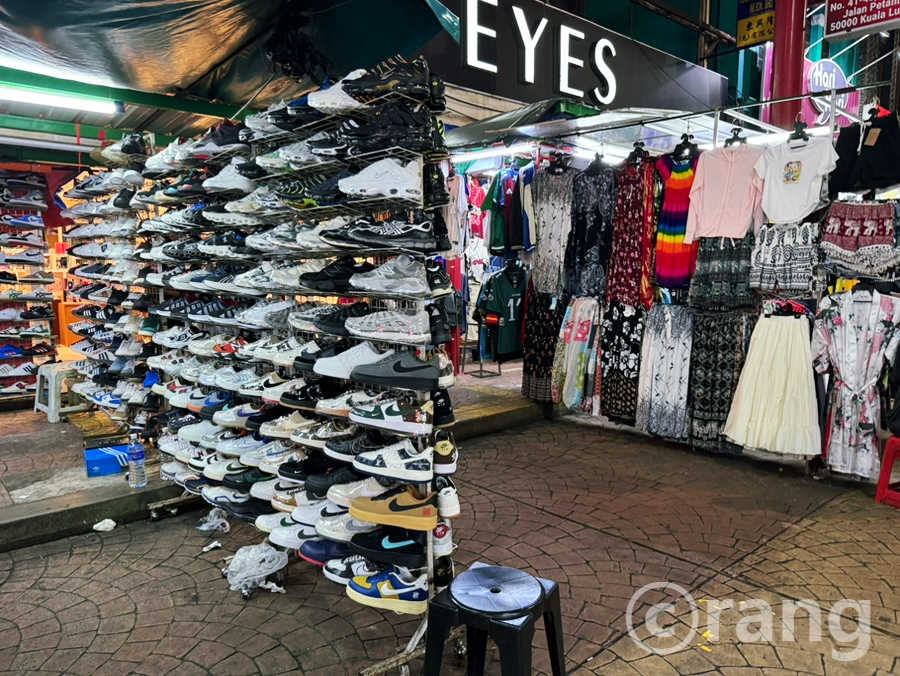
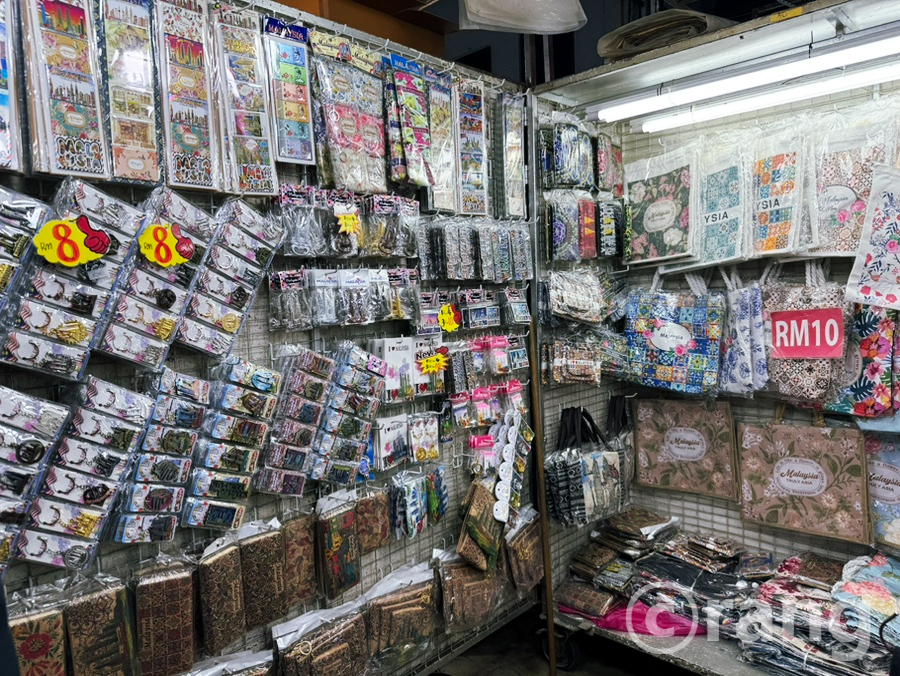
Souvenirs are easy to find too: keychains, fridge magnets and T-shirts. In our experience:
- Keychains and magnets: about RM5–15
- T-shirts and casual pants: about RM10–30
Most stalls do not use fixed prices. Walk the street once, compare similar items at a few stalls and then bargain. Personally, we did not feel there were a lot of things we wanted to buy, so go with modest expectations.
2) Fake designer goods and bargaining manners
You will see many bags and watches carrying famous brand logos. They are imitations, and the finishing and materials did not look good enough to tempt us. A low price is the real appeal of Petaling Street Market, but do not expect quality to match a well-known label. Travel writers also warn that many designer-label items sold here are knock-offs.
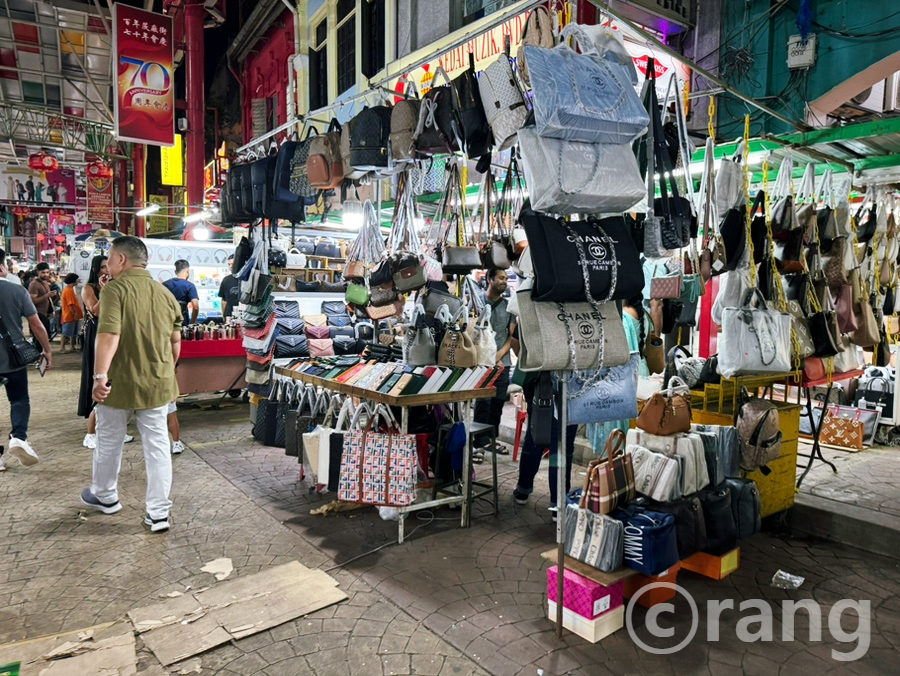
Bargaining is part of the experience, yet it works best when it is polite. Some vendors get upset if you ask for a price, haggle and then simply walk away. Only start a negotiation if you are genuinely interested.

3) A cautionary tale about cheap electronics
We did not plan to shop, but our kids spotted a wireless phone charger and a mini fan. We tested the charger carefully before buying it for about RM25.


Unfortunately, the wireless charger did not last long. After a short period of use, its battery started to swell, so I had to stop using it. Since then, I’ve become more cautious about buying inexpensive electronic products from temporary market stalls. For chargers and power banks, I would rather pay a little more at a reputable store.
4) The purchase we still use: a portable fan
On the other hand, the mini fan turned out to be a much better purchase. Our eldest child picked one out and even tried bargaining with the seller. We paid around RM20, and it has been surprisingly useful in Malaysia’s hot weather. Sometimes, the simplest and cheapest purchases turn out to be the most practical ones.

5) Charcoal chicken jerky, fruit and snacks

One of the most memorable things we tried at Petaling Street Market was chicken jerky. We had tried pork and beef jerky before, but this was our first time tasting the chicken version. The stall offered two shapes: flat slices of chicken jerky and small, round pieces known as “gold coin chicken”. We could not notice much difference in taste, so the choice really comes down to personal preference.
It cost around RM13 per 100g. The first bite had a noticeable charcoal aroma, followed by a sweet and savoury flavour with a lingering smoky finish. It was one of our favourite things we bought during the visit.

You will also find simple snacks and fruit along the way.
4. Chinatown Kuala Lumpur Evening Route Beyond Petaling Street Market
Do not stop at Petaling Street Market alone. Chinatown Kuala Lumpur has several good stops within walking distance, and combining them makes a fuller evening than the market by itself.
1) Central Market (Pasar Seni)
Central Market is an indoor, air-conditioned bazaar for batik, crafts and traditional souvenirs. It is a comfortable first stop while the sun is still strong. Most guides list opening times of around 10:00 AM to 10:00 PM, but check the official Central Market website before you go.
2) REXKL
REXKL is a cultural complex built inside a former cinema, the old Rex Theatre, at 80 Jalan Sultan. Inside you will find a bookstore, exhibitions and cafés. It is a good rainy-day or midday option, and it is a short walk from Petaling Street Market. Hours vary by venue, so see the REXKL website for current times.
3) Kwai Chai Hong
Kwai Chai Hong is a restored lane where murals recreate daily life in the 1960s era of Chinatown Kuala Lumpur. The official site describes it as a stroll back to the golden days of KL Chinatown, and entry is free. It is about a ten-minute walk from the Pasar Seni station. Details are on the Kwai Chai Hong website.
4) Michelin Bib Gourmand eateries
If you want a proper meal instead of snacks, two well-known options near Petaling Street are:
- Nam Heong Chicken Rice: a City Centre chicken rice restaurant on the MICHELIN Guide’s Bib Gourmand list
- Lai Foong Lala Noodles: a noodle shop at 99 Jalan Sultan, also a Bib Gourmand listing. “Lala” means clams in Malay, and the broth is made with Chinese yellow wine and ginger.
5) A simple 3-hour plan
- Late afternoon: Central Market and REXKL while it is still bright
- Early evening: Kwai Chai Hong for murals and photos
- Dinner: one of the Bib Gourmand restaurants above
- After dark: Petaling Street Market, when the lanterns are lit and the stalls are full
After sunset, the lit-up street looks completely different from the daytime version. Even if you buy nothing, Petaling Street Market is worth a slow walk for the atmosphere. If shopping is your only goal, though, keep your expectations in check. We bought just a mini fan and chicken jerky, and still enjoyed the evening because of the sights and food around it.
5. Petaling Street Market FAQ
1) What time does Petaling Street Market open?
Petaling Street Market operates daily, but opening hours vary depending on individual shops and stalls. Many night market stalls become active from around 6:00 PM, making the evening the best time to experience the lively atmosphere. I recommend visiting between 6:00 PM and 9:00 PM. If you plan to visit a particular shop, check its opening hours on Google Maps beforehand.
2) Is Petaling Street Market worth visiting?
Yes, for the atmosphere, photos and a taste of Chinatown Kuala Lumpur. It is less impressive as a pure shopping destination, because many items are imitations and quality is mixed. Combine it with Central Market, Kwai Chai Hong and a good meal for the best evening.
3) How long do you need at Petaling Street Market?
Plan one hour for Petaling Street Market itself. If you add Central Market, Kwai Chai Hong and dinner nearby, allow about two to three hours in total.
4) Can you bargain at Petaling Street Market?
Yes. Most stalls do not have fixed prices, so compare a few stalls and negotiate politely. Do not ask for a price and walk away repeatedly, as some vendors dislike that.
5) Which station is closest to Petaling Street Market?
Pasar Seni Station, served by the LRT Kelana Jaya Line and MRT Kajang Line, is the most convenient station for reaching Petaling Street Market. It is approximately a five-minute walk away. You can also use Maharajalela Station on the KL Monorail, although it requires a longer walk.
You Might Also Like
- Royal Selangor Visitor Centre: Free Pewter Museum in Kuala Lumpur
- Kuala Lumpur Chinatown Street Art: A Walking Tour Through the Heritage Alleys
- KLCC Fountain Show Times & Guide | Petronas Twin Towers
- Skyline Luge Kuala Lumpur: What to Know Before You Go With Kids
- Beryl’s Chocolate Chinatown KL: Visit Before Petaling Street, Not After
- MinNature Kuala Lumpur Guide: See All of Malaysia in Miniature