Bak Kut Teh Kuala Lumpur: The Ultimate Michelin Bib Gourmand Guide
Bak kut teh Kuala Lumpur style is a different experience from what most travelers know from Singapore, and one restaurant in particular has proven it’s worth seeking out: Hing Kee Bak Kut Teh, a Michelin Bib Gourmand winner for four consecutive years. This review is based on two actual visits, and it covers exactly what to expect, what to order, and whether the hype is justified.
If you’re searching for the best bak kut teh in Kuala Lumpur, this guide will walk you through the restaurant, the menu, and practical tips for finding the right branch, avoiding the wait, and ordering like a local.
If you’re searching for the best bak kut teh in Kuala Lumpur, this guide will walk you through the restaurant, the menu, and practical tips for finding the right branch, avoiding the wait, and ordering like a local.
1. What Is Bak Kut Teh Kuala Lumpur Style, and Why It’s Different From Singapore
1) Malaysian vs. Singaporean Bak Kut Teh: The Key Difference
Bak kut teh translates to “meat bone tea,” and it’s a pork rib soup simmered for hours in a broth of Chinese herbs and spices. If your only reference point is the Singaporean version, be prepared for a different experience in Kuala Lumpur. Singaporean bak kut teh tends to lean heavily on white pepper for a sharp, peppery kick. The Malaysian style found in KL is built around a longer-simmered herbal base — closer to a traditional Chinese medicinal broth, with a more layered, complex flavor rather than a peppery punch.
If you’re sensitive to the smell of Chinese herbal medicine, this is worth knowing upfront, since the aroma can be a love-it-or-hate-it experience for first-timers. For anyone who enjoys that flavor profile, though, it’s one of the more rewarding versions of the dish in Southeast Asia.
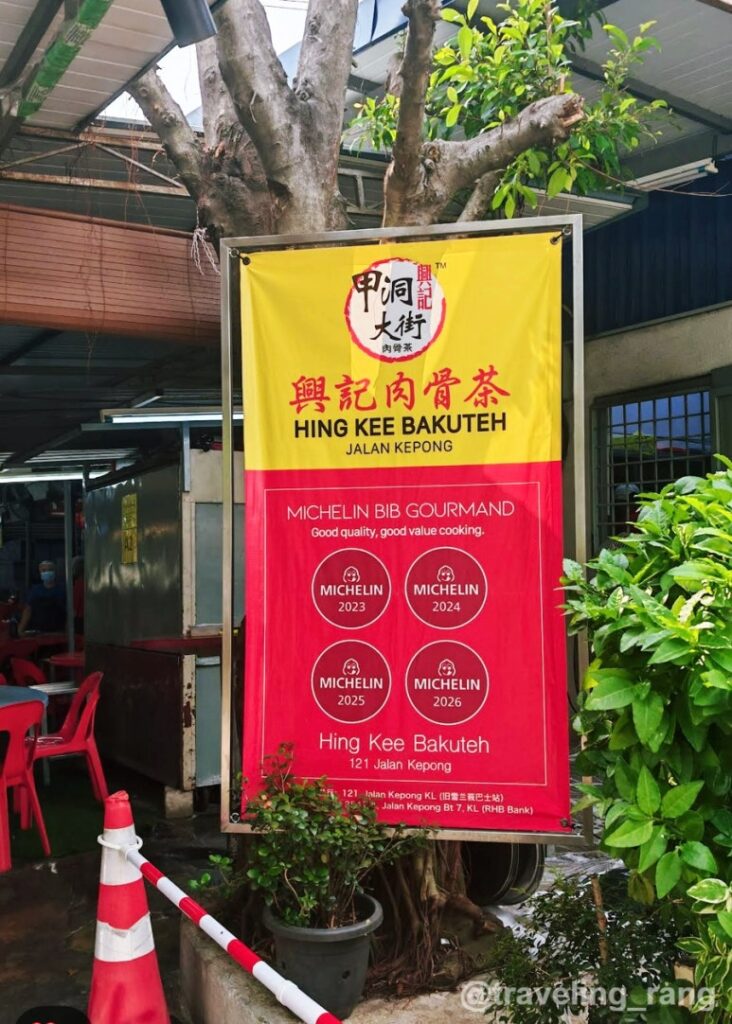
2) A Michelin Bib Gourmand Winner Four Years Running
The restaurant featured in this review, Hing Kee Bak Kut Teh, has been recognized in the Michelin Guide Malaysia’s Bib Gourmand category every year since the guide’s inaugural Kuala Lumpur and Penang edition in 2023, and it has retained that status through the 2026 guide. A Bib Gourmand distinction specifically honors restaurants that deliver excellent food at a reasonable price — not fine dining, but consistently good cooking that’s accessible to everyday diners. That four-year consistency is a meaningful signal in a city with no shortage of bak kut teh options.The restaurant featured in this review has been recognized in the Michelin Guide Malaysia’s Bib Gourmand category every year since the guide’s inaugural Kuala Lumpur and Penang edition in 2023, and it has retained that status through the 2026 guide. A Bib Gourmand distinction specifically honors restaurants that deliver excellent food at a reasonable price — not fine dining, but consistently good cooking that’s accessible to everyday diners. That four-year consistency is a meaningful signal in a city with no shortage of bak kut teh options.
2. Finding the Restaurant: Location, Hours, and Parking Tips
1) Two Branches in Kepong — Don’t Get Confused
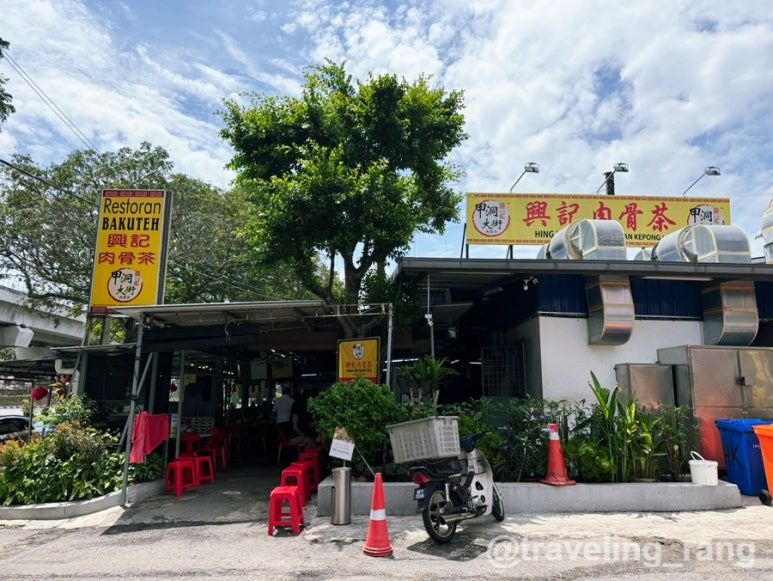
Hing Kee Bak Kut Teh operates two branches in the Kepong area of Kuala Lumpur: a Main Branch on Jalan Kepong near Metro Prima, and a second branch near an RHB Bank, also on Jalan Kepong. Both serve the same menu, but the RHB branch tends to have a shorter wait, which is the one covered in this review. If you’re short on time or visiting during peak hours, the RHB branch is worth prioritizing.
View Hing Kee Bak Kut Teh Location

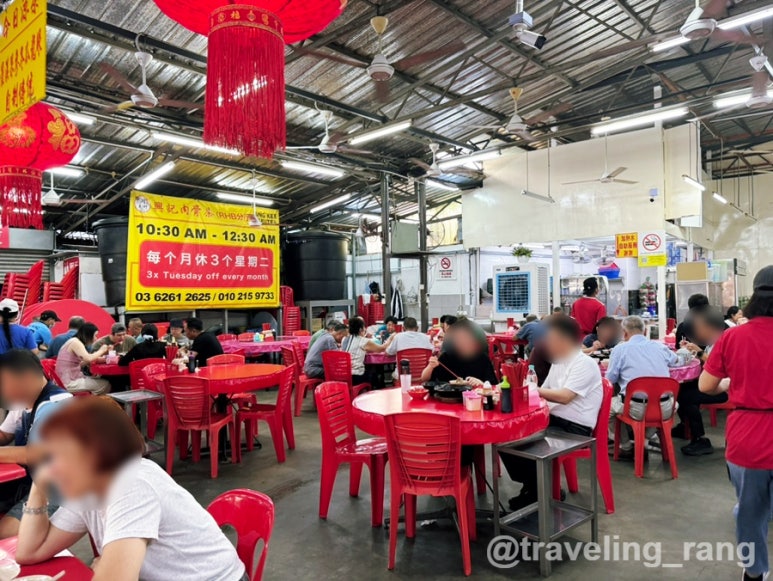
2) Look for the Chinese Signage, Not Just the English Name
Here’s a detail that trips up first-time visitors: the shopfront signage at the RHB branch prominently displays a different name in large lettering, rather than the restaurant’s more commonly known English name. If you’re relying on a Google Maps pin and expecting to see the name you searched for in big letters out front, don’t panic if it doesn’t match exactly — the location is correct.
3) Hours, Parking, and When to Avoid the Crowd
The restaurant is open daily from 10:30 AM to 12:30 AM, which makes it a viable option for a late lunch or a late-night meal — a rarity in a city where most kitchens close early. Street parking near the shop is limited and often full, so it’s worth parking near the nearby Aeon Mall and walking over instead of circling the block looking for a spot. Weekday lunch is your best bet for a shorter wait; weekends bring noticeably longer queues.
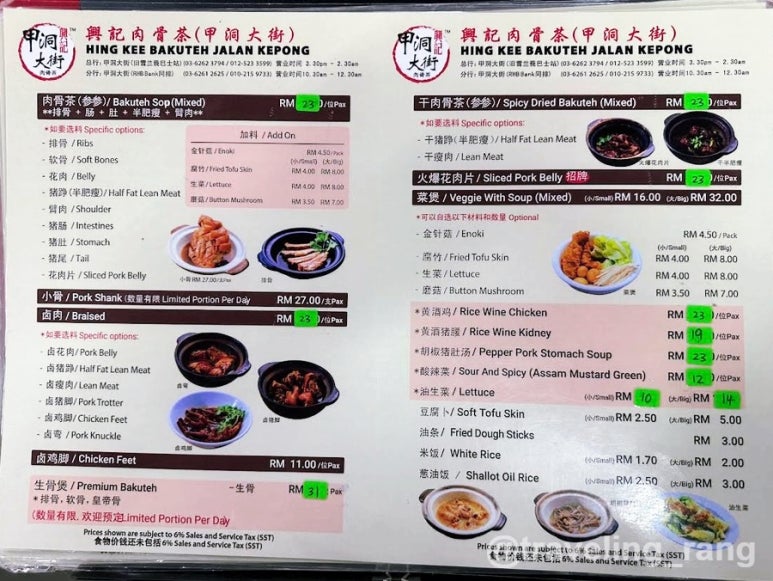
3. What to Order: Soup vs. Dry Bak Kut Teh
1) Choosing Your Broth: Soup or Dry
The menu splits into two main styles: a soup version, served in a claypot with hot, fragrant broth, and a dry version, where the meat is coated in a thick, glossy, slightly sweet-and-salty braised sauce closer in style to a Chinese braised pork dish than a soup. On our visit, we ordered both — soup with ribs, and dry with pork belly — specifically to compare them, and that’s the move we’d recommend if you’re going with a group. The two styles are different enough that ordering just one means missing half the experience.
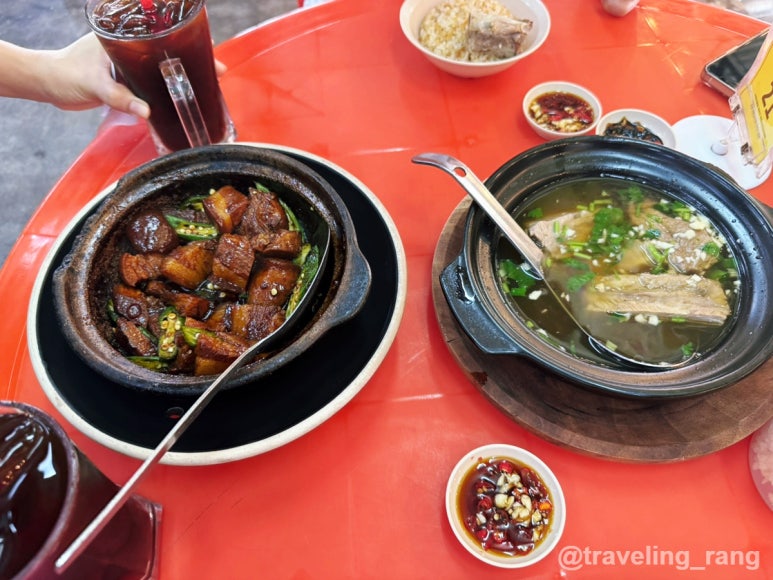
2) Picking Your Cut of Meat
You’ll choose your preferred cut alongside your broth style — pork belly and ribs are the standout choices. The pork belly, especially in the dry preparation, comes out well-trimmed with no unpleasant gamey taste, which is a common concern for bak kut teh newcomers. If you’ve had a disappointing experience with pork “off” flavors at other bak kut teh restaurants (including some well-known ones in Singapore), that’s specifically not an issue here — the meat prep is clean and consistent.
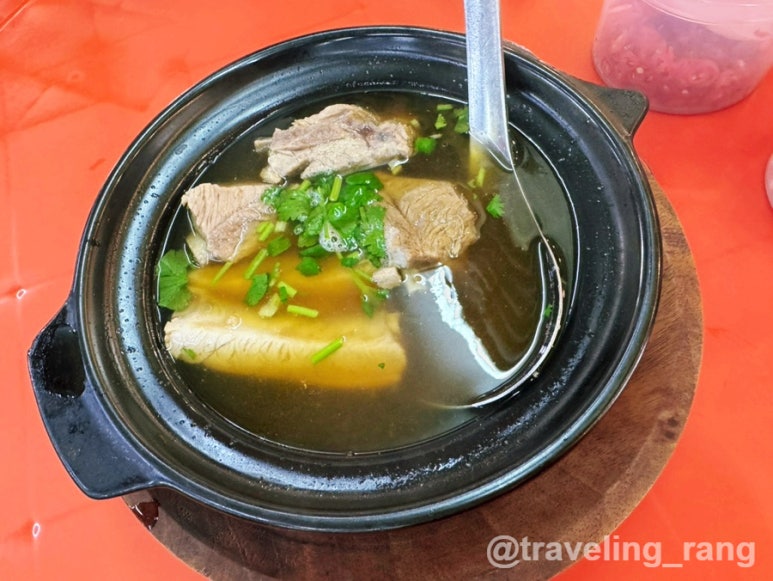

3) Rice Options: Plain White Rice vs. Shallot Oil Rice
Diners can choose between plain steamed white rice or a fragrant shallot oil rice. Both are good, but if you’re pairing rice with the soup version, plain white rice lets the broth’s flavor come through more clearly. The shallot oil rice pairs better with the dry version, where its aromatic quality complements the thicker sauce rather than competing with a delicate broth.
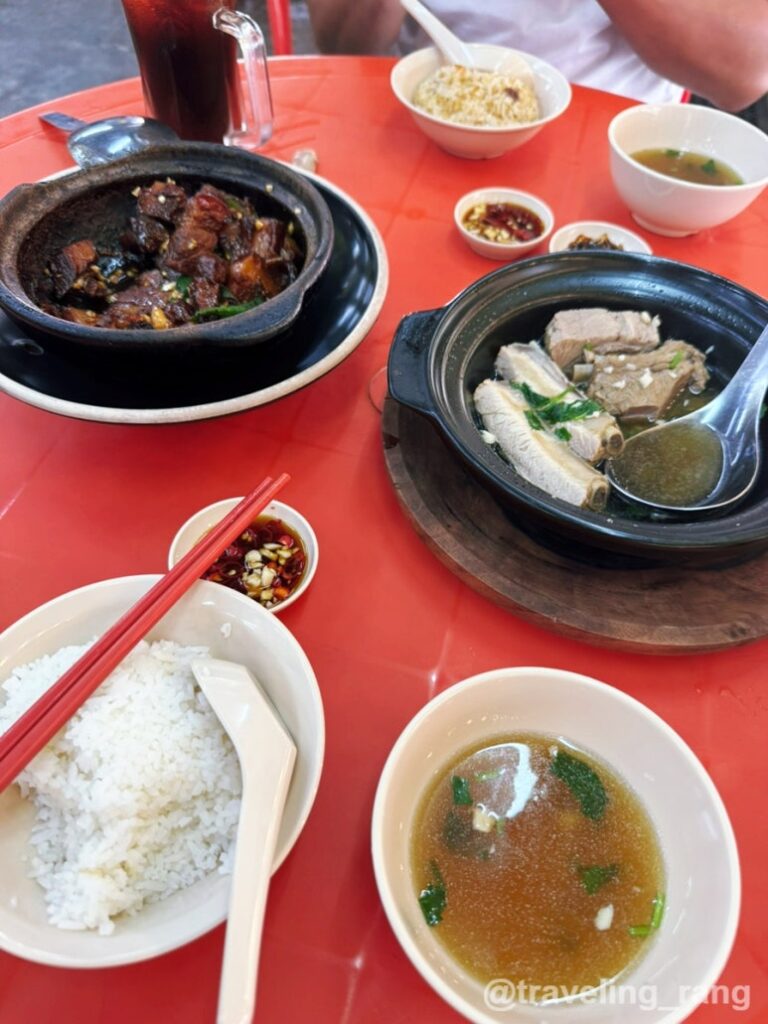
4) The Condiments That Change Everything
Every table comes with small dishes of minced garlic and chili — don’t skip these. Stirring a small amount into the soup partway through the meal noticeably shifts the flavor profile, adding a sharper, more savory dimension that plain broth doesn’t have on its own. A pot of Chinese herbal tea is also worth ordering alongside your meal; it’s inexpensive and cuts through the richness of the broth and meat.
4. Is It Worth the Wait? Price, Value, and Practical Tips
1) How Much You’ll Actually Spend
For two people ordering a mix of soup, dry, a vegetable side, and herbal tea, expect to spend somewhere in the range of RM 60–70. Prices have crept up slightly since our first visit, but given Kuala Lumpur’s overall cost of dining, this remains solid value for a Michelin-recognized meal — which is, after all, exactly what the Bib Gourmand category is designed to reward.
2) Why the Broth Refill Matters
One detail that stood out on both visits: the soup broth is refilled for free once the meat is finished, so you’re not stuck with a half-empty bowl after the main event is over. It’s a small gesture, but it’s the kind of detail that makes a meal feel more generous than the price tag suggests, and it’s part of why this restaurant earns repeat visits rather than one-off curiosity trips.
3) Final Verdict: Is This Bak Kut Teh Worth the Trip?
If you’re building a food itinerary around Kuala Lumpur’s Michelin Bib Gourmand list, this bak kut teh restaurant deserves a spot on it. The broth is clean without any unpleasant gamey aftertaste, the portions are generous, and the small details — free broth refills, table-side condiments, a fair price point even after recent increases — add up to a meal that lives up to its four consecutive years of recognition. Go on a weekday if you can, order both the soup and dry styles if you’re with a group, and don’t skip the garlic and chili on the table.
Frequently Asked Questions
What is bak kut teh? Bak kut teh is a Malaysian and Singaporean dish of pork ribs simmered for hours in a broth of Chinese herbs and spices. The name translates to “meat bone tea,” and it’s typically eaten with rice, fried dough, and Chinese tea.
Is this Kuala Lumpur bak kut teh restaurant halal? No. Because bak kut teh is a pork-based dish, this restaurant and most traditional bak kut teh establishments in Malaysia are not halal-certified.
How much does a Michelin Bib Gourmand bak kut teh meal cost in Kuala Lumpur? Expect to spend roughly RM 60–70 for two people ordering a mix of soup and dry bak kut teh, a side dish, and Chinese herbal tea — solid value for a Michelin Bib Gourmand-recognized meal.
What’s the difference between soup and dry bak kut teh? Soup bak kut teh is served in a hot, herbal broth, while dry bak kut teh features meat coated in a thicker, glossy, slightly sweet-and-savory braised sauce. Many diners order both styles to compare.
Do I need a reservation to eat at Hing Kee Bak Kut Teh? No reservations are typically needed, but expect a wait during lunch and dinner hours, especially on weekends. Visiting on a weekday, particularly for lunch, tends to mean a shorter queue.
More From Kuala Lumpur
Suki-ya Pavilion KL Review: Unlimited Shabu Shabu in the Heart of Kuala Lumpur
Shin Zushi Kepong Review: The Best Value Sushi Restaurant in Kuala Lumpur