National Museum of Nature and Science Tokyo: A Rainy Day Win in Ueno
We’d actually noticed this museum sitting right next to the Tokyo National Museum on an earlier visit to Ueno, and finally made time to go on this trip. It turned out to be the National Museum of Nature and Science Tokyo, and with rain in the forecast that day, an indoor museum ended up being exactly the right call.
1. We Started With Theater 360, Audio Guide Included
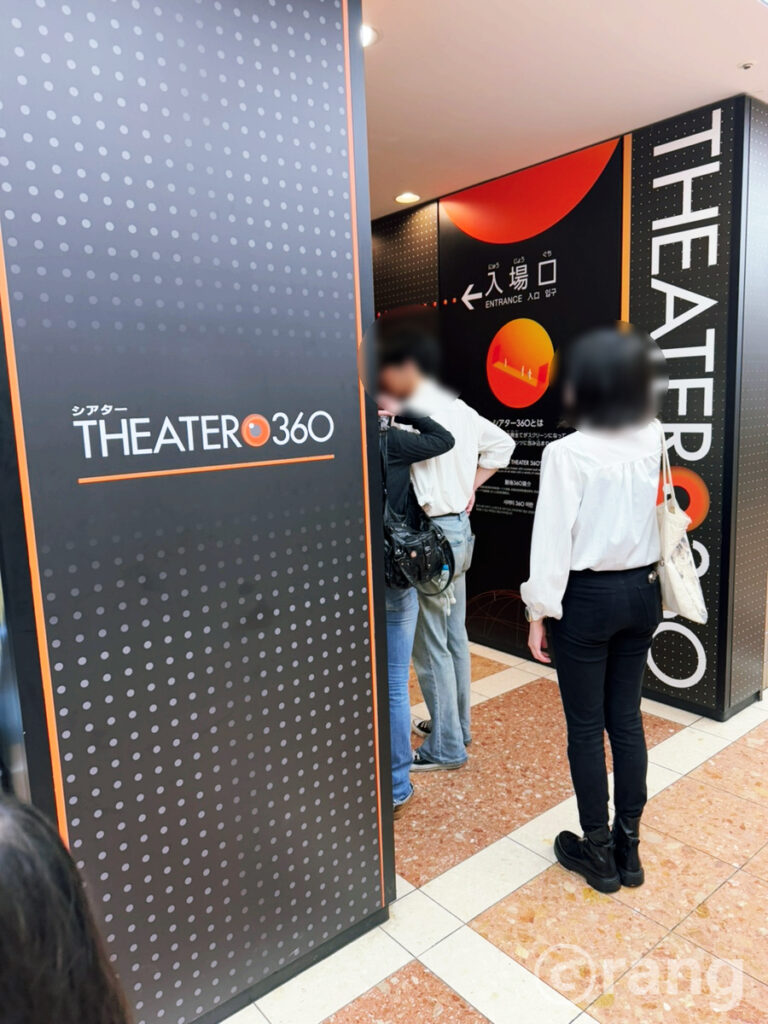
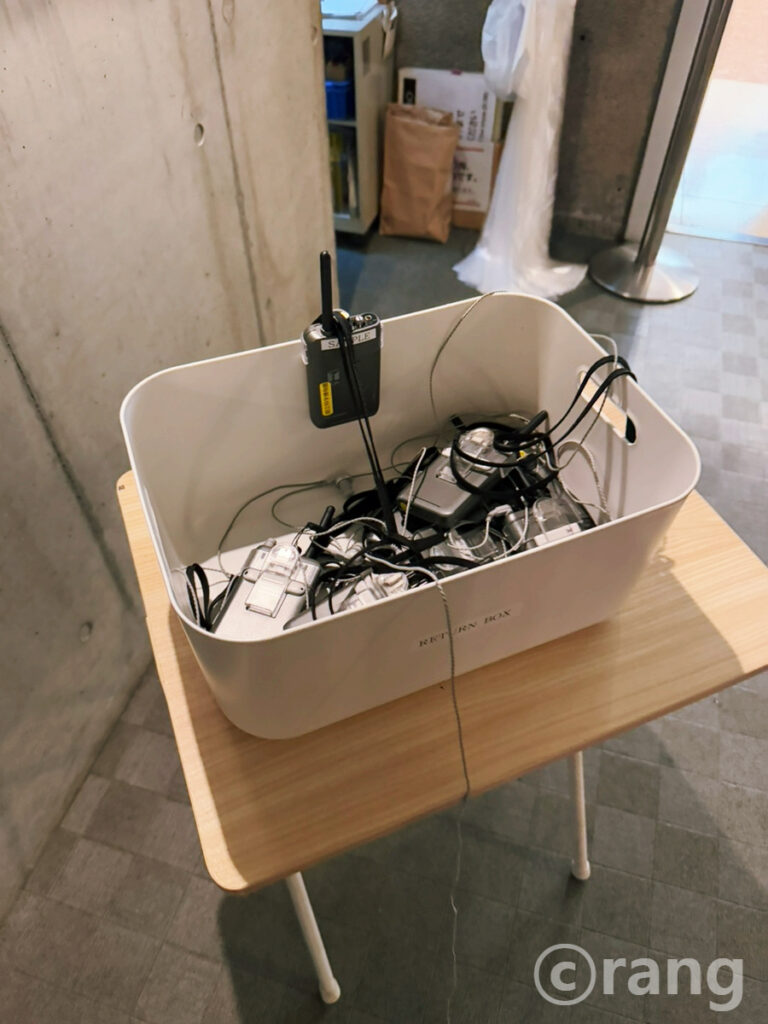
Right after entering, we headed straight for Theater 360, a fully spherical screening room. This is also where we picked up our audio guide (earphones), which we returned as soon as the screening ended. Theater 360 is a dome-style screen, the first of its kind, where the image surrounds you in every direction rather than sitting on a single wall in front of you. The film we saw focused on the Earth’s nature and ecosystems, and watching it gave us a real sense of how seriously Japan takes environmental issues. The featured film rotates monthly, so what’s showing will depend on when you visit.
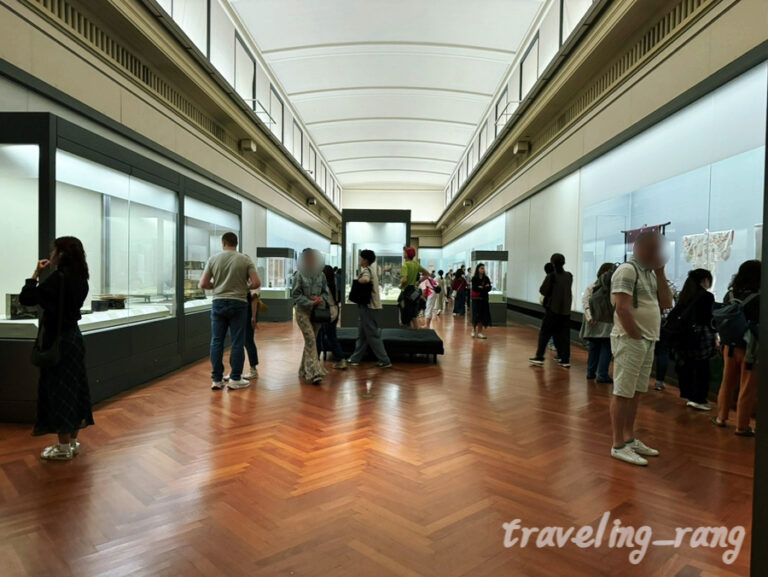
Only after finishing Theater 360 did we start on the permanent exhibits, and that’s when the scale of the place really hit us. It’s huge, split across two buildings, and there’s no way to see everything properly in a single visit. We gave up on covering it all and instead focused on whatever caught our kids’ interest.
2. How the Museum Is Organized
The museum is split into two main buildings. The Japan Gallery is a renovated version of the original historic building, designed in the shape of an airplane, and it focuses on how the Japanese archipelago was formed along with Japan’s own ecosystems and natural history. The Global Gallery is the larger of the two, covering the universe, life, and science and technology, with everything from dinosaur fossils to cutting-edge tech, which is where a lot of the content that appeals most to kids tends to live.
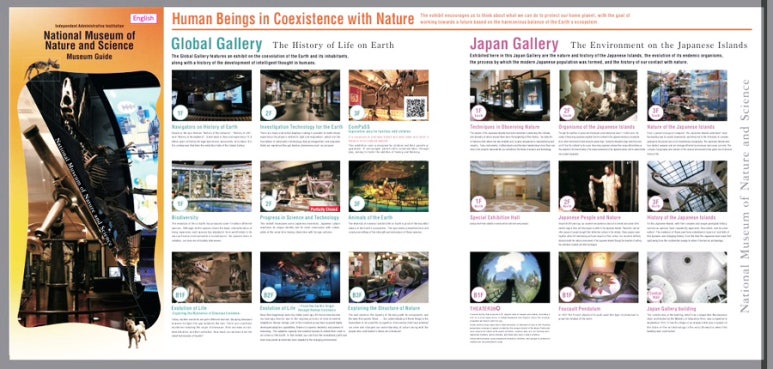
3. What to See With an Upper Elementary Kid
If seeing everything isn’t realistic, here’s the order we’d recommend for a visit with an upper elementary-aged child.
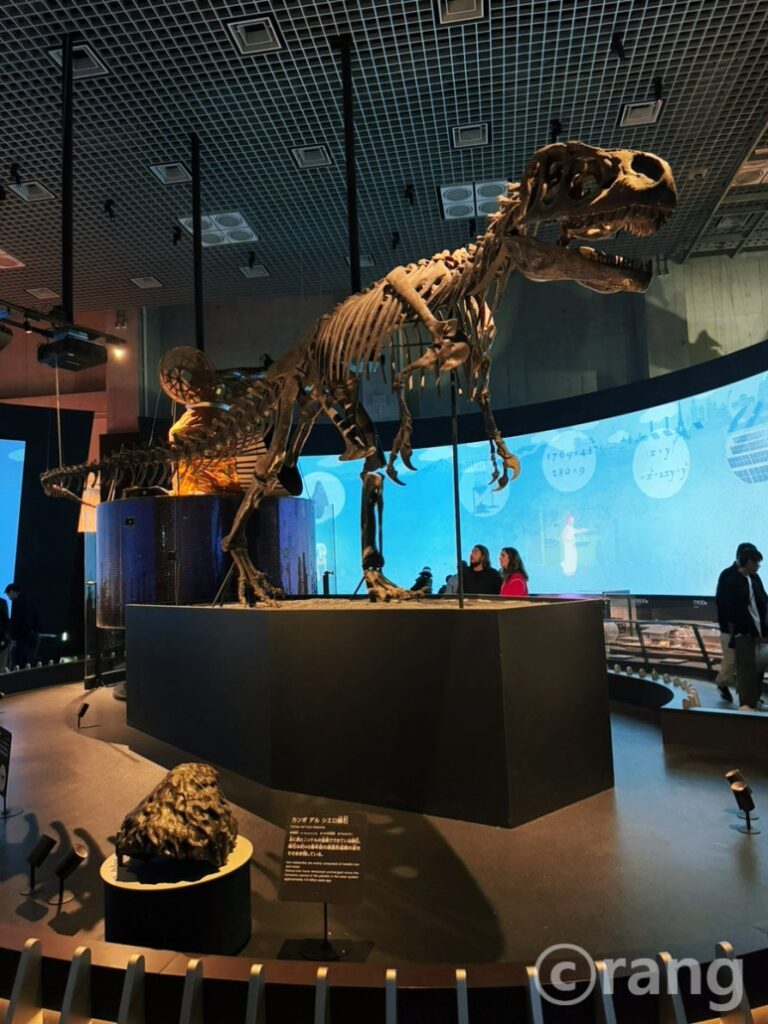
1) Dinosaur Fossils in the Global Gallery
This hall includes a full skeletal specimen of an Apatosaurus stretching 18 meters long, along with a range of other dinosaur fossils. Seeing a skeleton this size in person leaves a real impression, the scale just doesn’t come across the same way in photos.
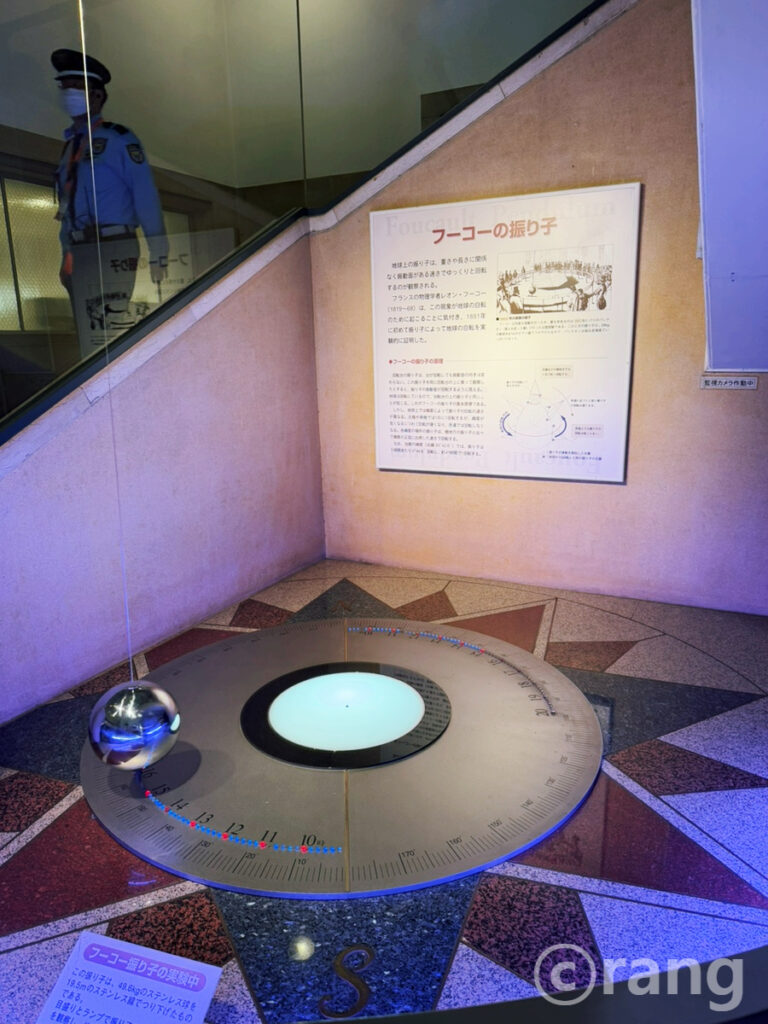
2) Foucault’s Pendulum and the “Measuring the Earth” Space
Right where you pass through on your way into the Japan Gallery’s basement level, there’s a large weight hanging from a long line, Foucault’s Pendulum, a genuine physics experiment. A 19-meter line holds a roughly 48-kilogram lead weight, and the direction it swings gradually shifts over time, which is actually a visible demonstration that the Earth is rotating. French physicist Léon Foucault first proved Earth’s rotation with a pendulum like this back in 1851, a good story to share with a kid old enough to appreciate it.
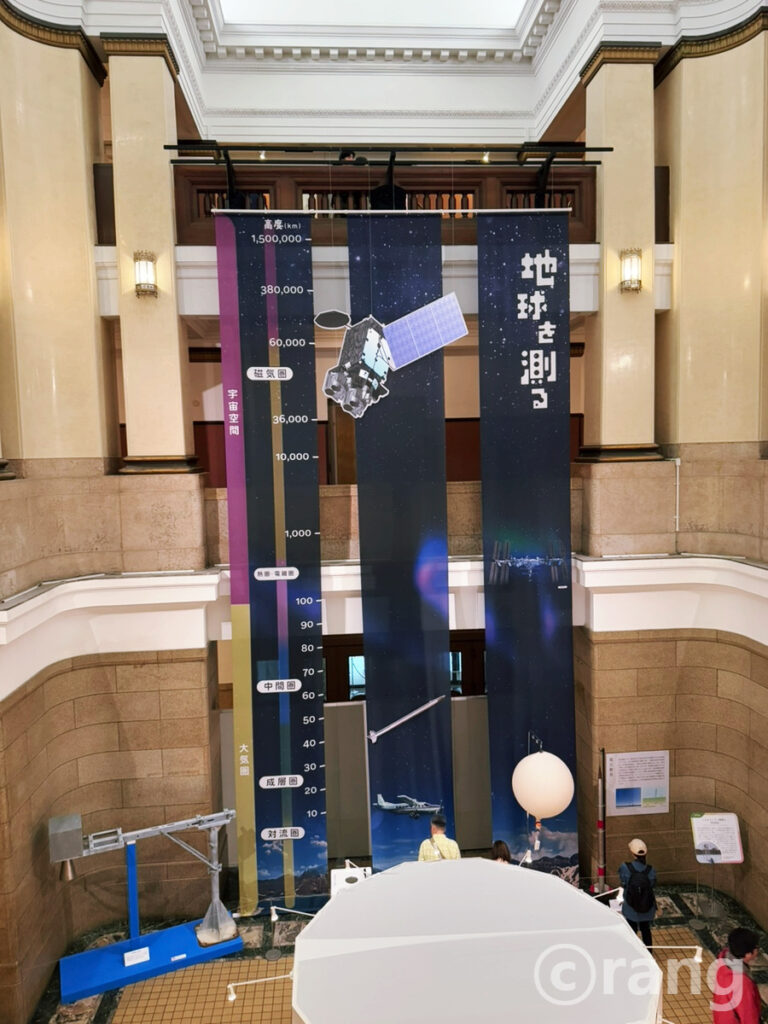
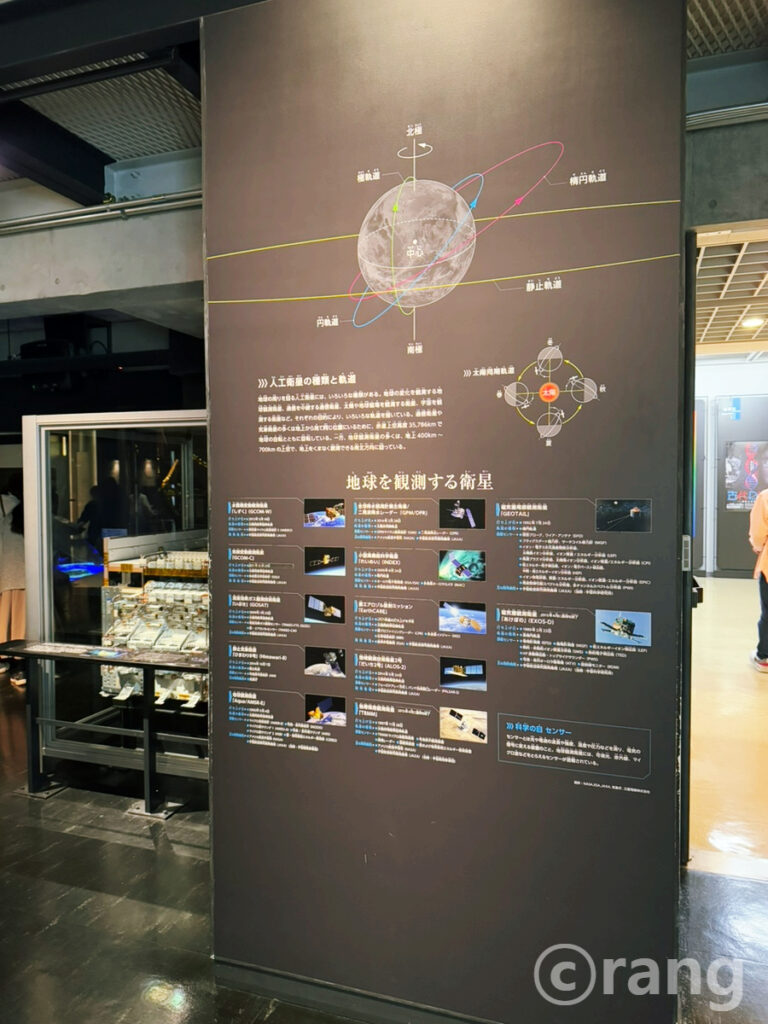
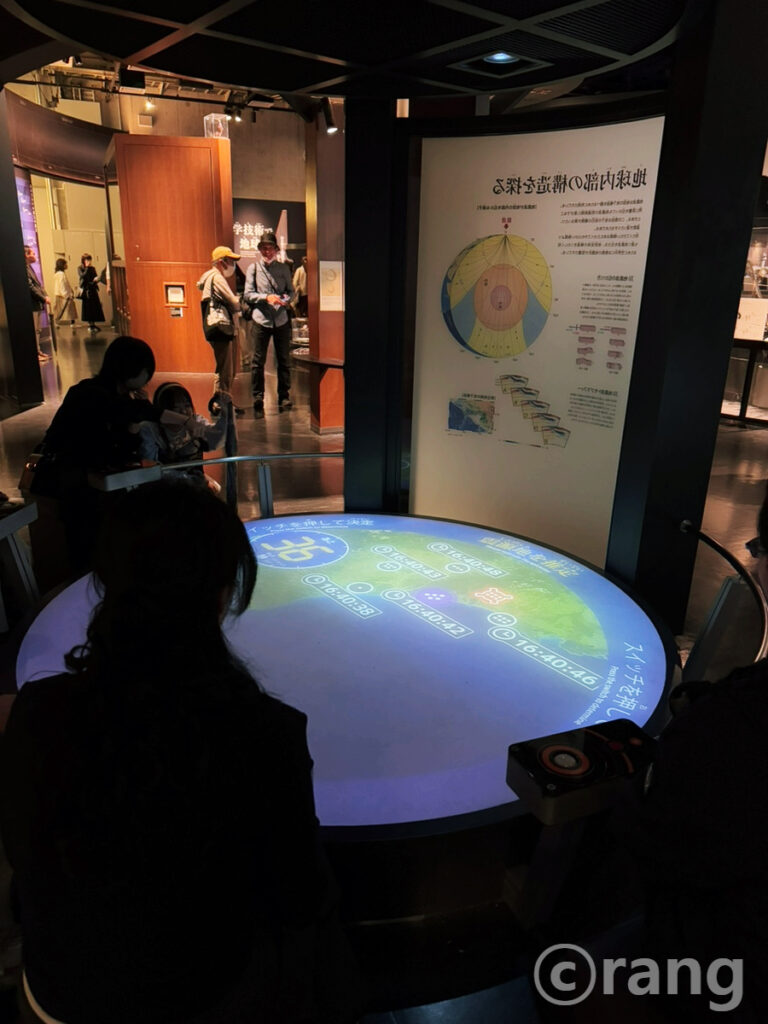
The atrium space the pendulum hangs in is worth a closer look too. It’s themed around “Measuring the Earth,” with tall vertical banners marked with height increments from ground level up to satellite altitude, a model satellite suspended partway up, and a globe positioned near the floor. Rather than just the pendulum on its own, the whole vertical space tells a visual story about how humanity has measured the Earth over time. The high ceiling makes it a good spot for photos too.
3) The Ocean Ceiling Room
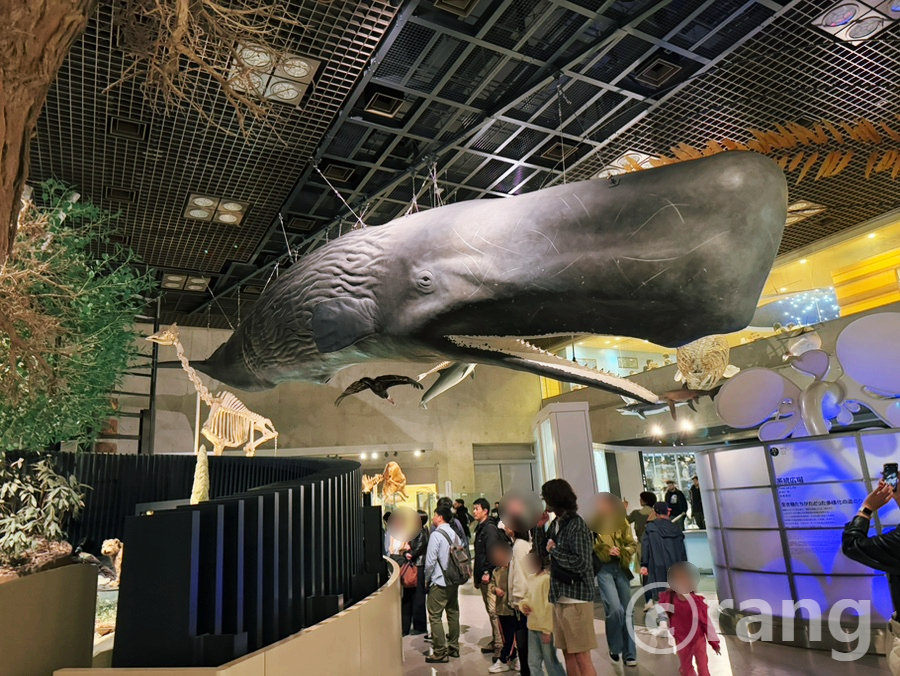
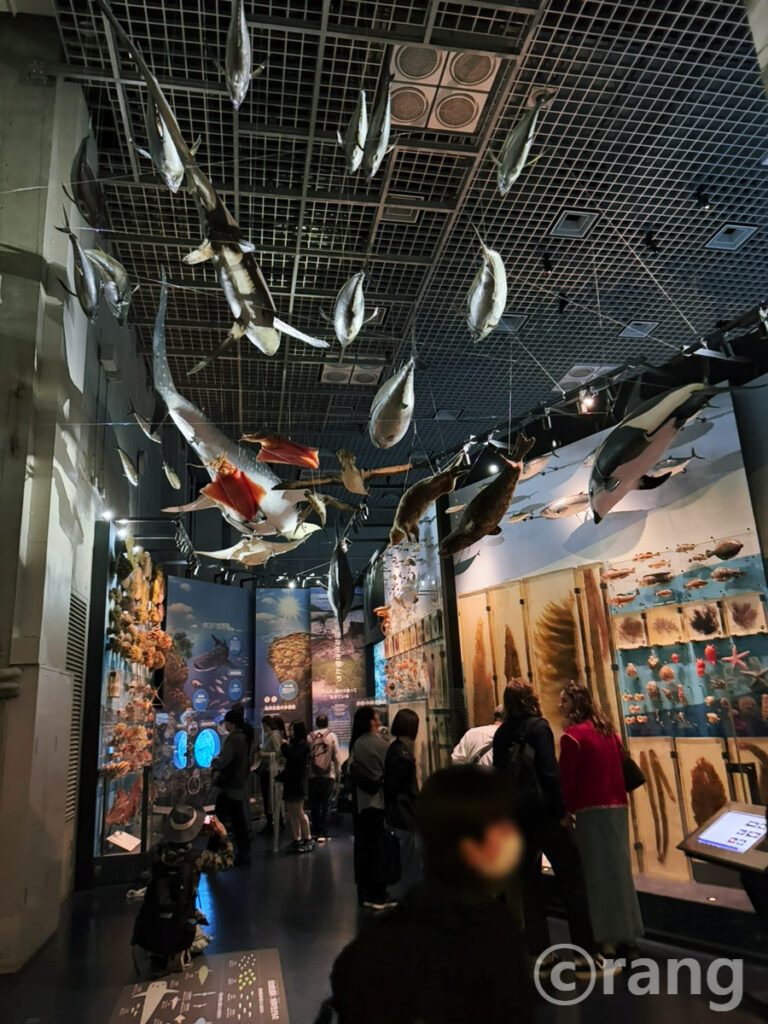
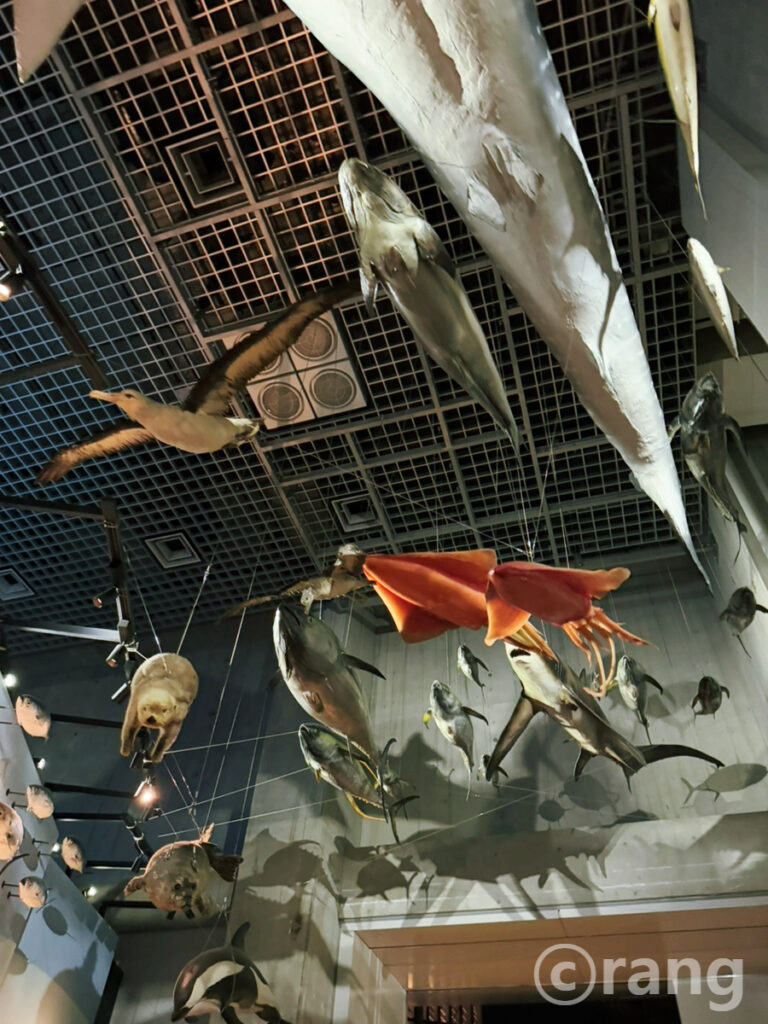
The “Earth’s Diverse Living Things” exhibit hall on the first floor of the Global Gallery includes life-size models of dolphins and other marine life suspended from the ceiling, giving the room a genuine underwater feeling. Our kids looked up the moment they walked in and were thrilled.
4) Light and Radio Wave Experiments, Plus Compass
The hands-on light and radio wave experiment corners suit upper elementary kids well, since they get to test the underlying principles themselves rather than just reading a placard. There’s also a room called Compass, designed for parents and kids to explore together, packed with hands-on content you don’t often find elsewhere.
Beyond these, there’s plenty more to catch a kid’s attention along the way, Hachiko’s preserved remains, a taxidermy panda, and a fragment of the Nantan meteorite that fell in 16th-century China, among other things that made our kids stop in their tracks at various points in the route.
4. There’s Plenty to See Outside Too
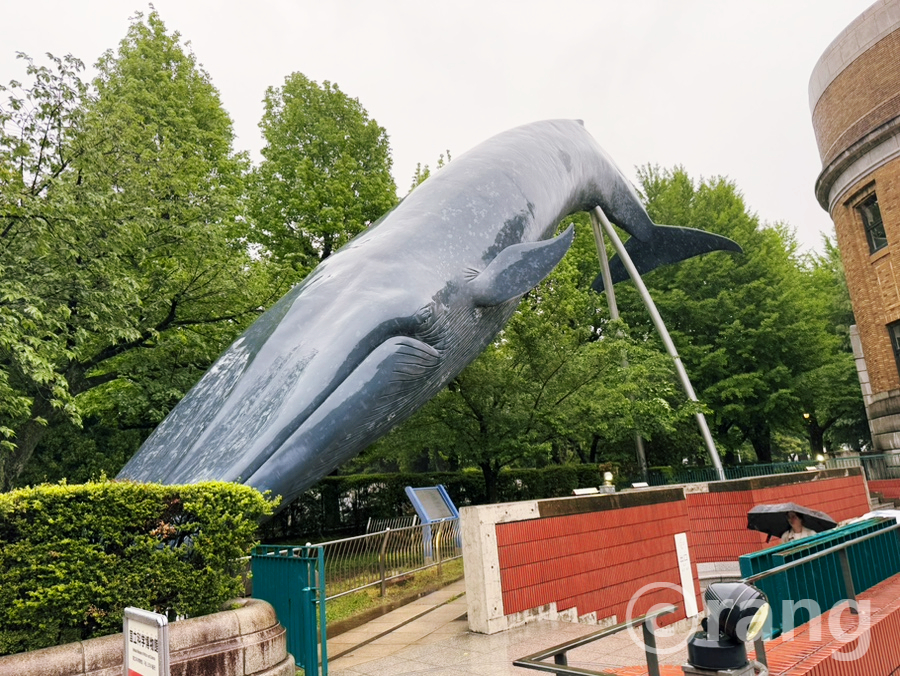
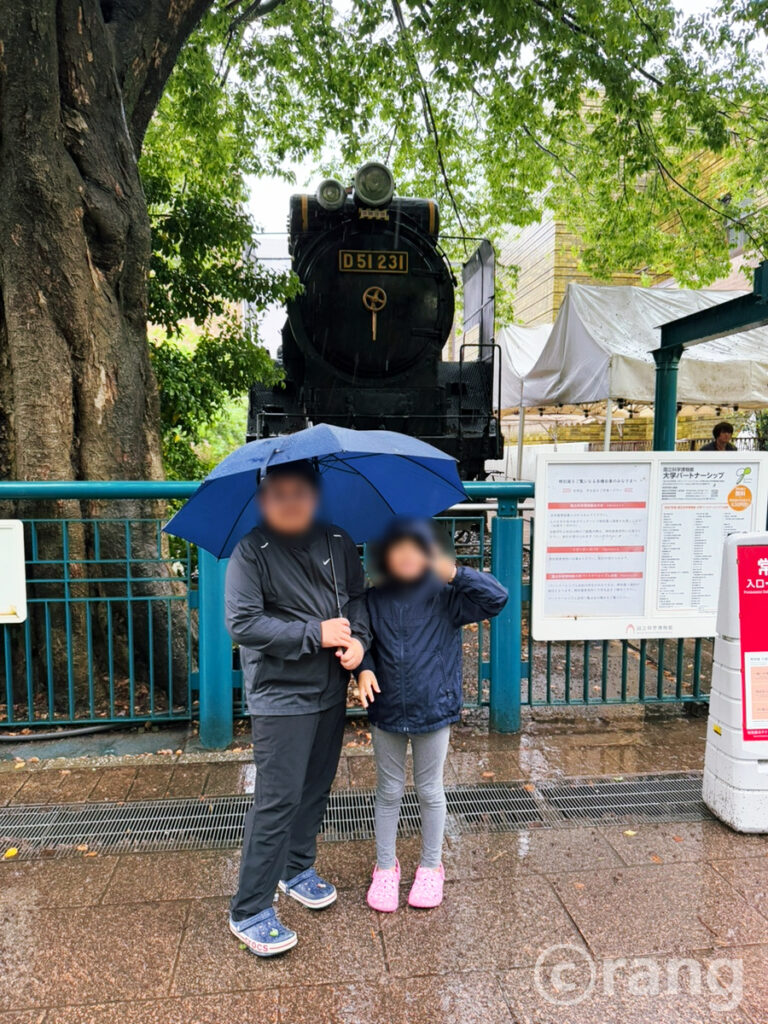
Before you even get to the exhibits, there’s a couple of outdoor attractions worth a look. A life-size Blue Whale model sits in front of the Global Gallery, essentially the museum’s unofficial mascot, so recognizable that it’s used as a landmark for the night entrance during evening stargazing events. Right nearby, a D51 steam locomotive that was once actually in service is also on display, so you can get the whale and the train in the same photo. Both make for a good photo stop before or after your visit.
5. Why an Indoor Museum Was the Right Call
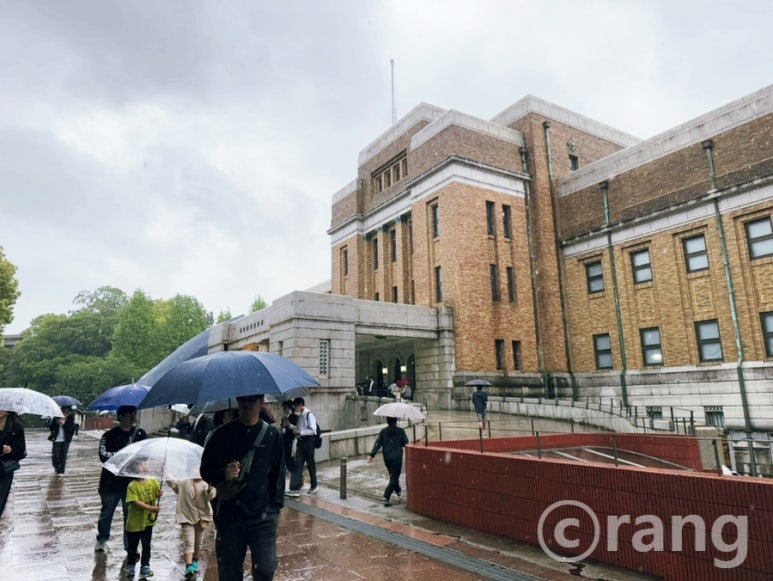
We’d originally planned to spend more time wandering Ueno Park, but the rain ruled that out. Choosing a fully indoor spot like the National Museum of Nature and Science Tokyo turned out to be the better move, there was enough content to spend several hours inside without ever feeling bored.
That said, walking back to the station afterward, the rain-soaked view of Ueno Park had its own kind of charm. A short walk through the park in the rain wasn’t a bad experience in itself, even if it wasn’t the leisurely stroll we’d originally planned.
6. Basic Information
The National Museum of Nature and Science Tokyo is located at 7-20 Ueno Park, Taito City, Tokyo, within walking distance of both JR Ueno Station and Keisei Ueno Station. Standard admission for the permanent exhibits is 630 yen for adults, and free for high school age and under. A Korean-language audio guide is available to rent for 320 yen, and on the first and third Friday of each month, there’s a night stargazing event as well, worth joining if the timing works out. Weekends and school holidays tend to draw larger crowds, so booking your ticket online in advance is worth considering if you want to save time.
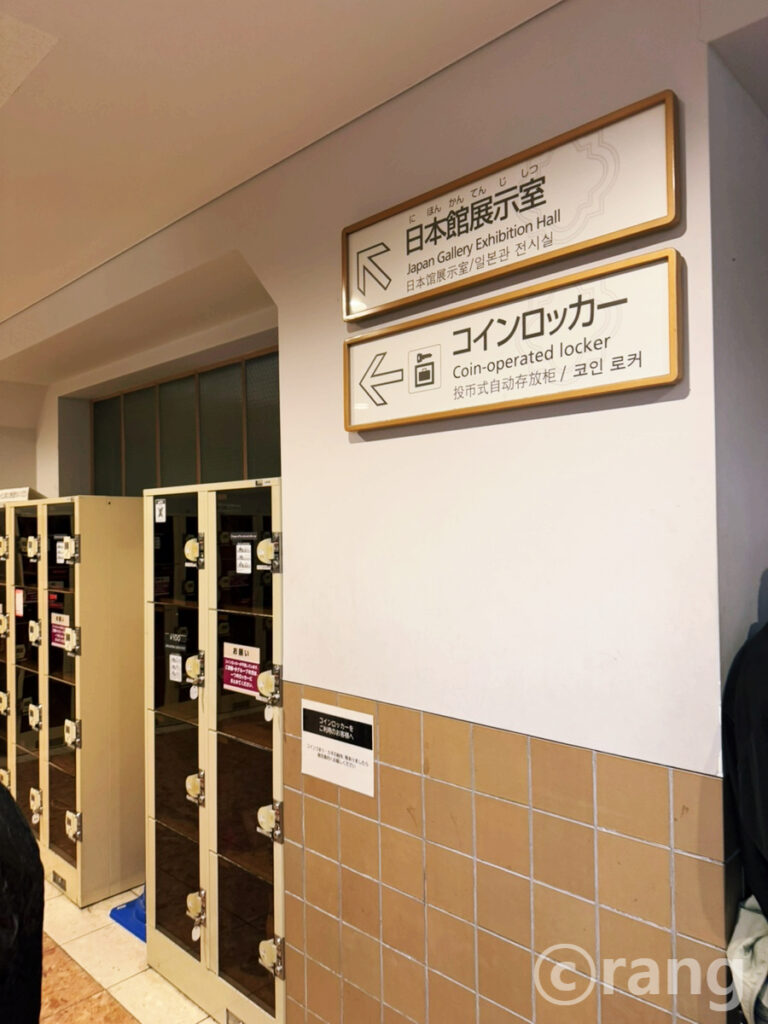
Coin lockers are available in two locations, near the basement entrance of the Japan Gallery and near the first-floor entrance of the Global Gallery. They come in three sizes, small, medium, and large, and take a 100-yen coin that gets returned after use, making them effectively free. The largest size fits a suitcase. Since there aren’t a huge number of lockers, it’s worth stashing your bags as soon as you arrive, especially on weekends.
7. A Few Extra Tips From Our Visit
1) Don’t Try to See Everything
With around 25,000 items across two full buildings, trying to cover the whole museum in one visit is genuinely not realistic, even for a full day. Picking a handful of priorities in advance, the way we did with the dinosaur fossils, the pendulum, and the ocean ceiling room, saves you from wandering aimlessly once the scale of the place sets in.
2) Grab Your Audio Guide Early
Since audio guides get handed out and returned right around Theater 360, it’s worth starting your visit there rather than trying to track one down later once you’re deeper into the exhibits.
3) Save Some Time for the Outdoor Photo Spots
The Blue Whale model and the D51 locomotive out front are easy to rush past on the way in if you’re eager to beat the crowds, but they’re worth circling back to before you leave, especially if you’ve got kids who like a good photo moment.
Frequently Asked Questions
Q1. Where is the National Museum of Nature and Science Tokyo located?
It’s located at 7-20 Ueno Park, Taito City, Tokyo, right next to the Tokyo National Museum, within walking distance of both JR Ueno Station and Keisei Ueno Station.
Q2. How much does admission cost?
Standard admission to the permanent exhibits is 630 yen for adults, and free for guests of high school age or younger.
Q3. What is Foucault’s Pendulum, and where is it in the museum?
It’s a physics demonstration hanging in the basement level of the Japan Gallery, right along the path into the exhibits. A weight on a long line gradually shifts its swing direction over time, visually proving that the Earth rotates.
Q4. Is the museum good for kids, especially older elementary-aged children?
Yes. Highlights like the dinosaur fossils, Foucault’s Pendulum, the ocean-themed ceiling room, and hands-on light and radio wave experiments tend to hold the interest of upper elementary-aged kids particularly well.
Q5. Are there coin lockers at the museum?
Yes, in two locations, near the Japan Gallery’s basement entrance and the Global Gallery’s first-floor entrance, in three sizes. They use a 100-yen coin that is returned after use, so they’re effectively free.
Official website: https://www.kahaku.go.jp/english/