Tokyo Transportation Pass Guide: Subway Ticket, Suica, and JR Passes Compared
Planning transportation is one of the more confusing parts of a Tokyo trip, simply because there are so many passes to choose from. This Tokyo transportation pass guide walks through the options we actually researched and used on our own family trip, starting with the Tokyo Subway Ticket we booked through Klook, and compares it against the other passes travelers commonly consider: the Common One-Day Ticket, Suica and Pasmo IC cards, the Tokyo Free Kippu, and the JR Tokyo Wide Pass. We will also walk through real situations where a pass does not cover your destination, since that trips up more travelers than the pricing does.
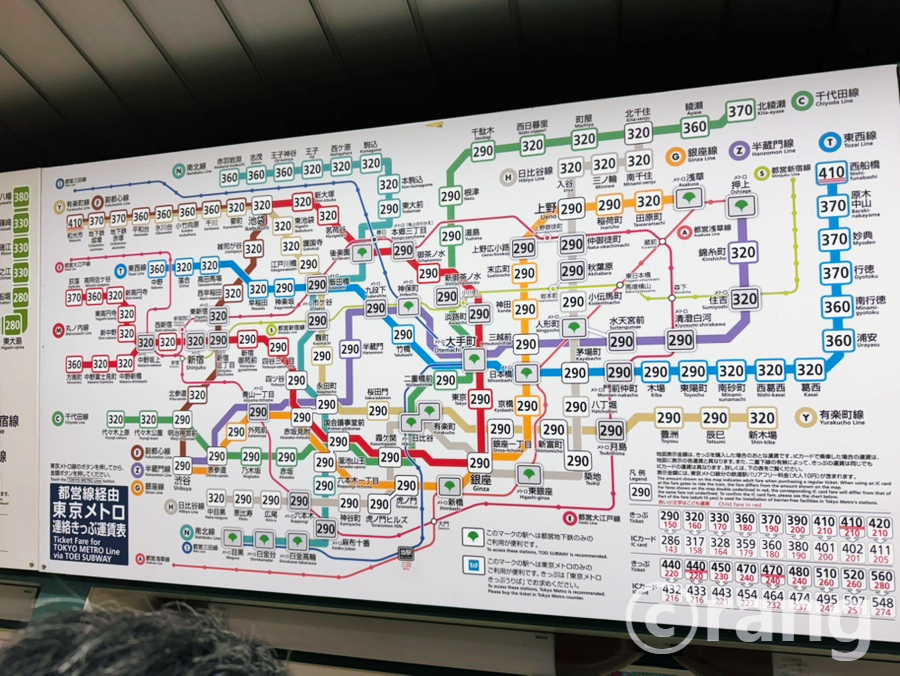
1. Tokyo Subway Ticket (Tokyo Metro + Toei Subway)
1) What It Covers and What It Costs
The Tokyo Subway Ticket gives unlimited rides on all Tokyo Metro and Toei Subway lines for a fixed window of 24, 48, or 72 hours, counted from your first tap at the gate rather than the calendar day. Following the fare revision that took effect on March 14, 2026, adult prices are 1,000 yen for 24 hours, 1,500 yen for 48 hours, and 2,000 yen for 72 hours. Children aged 6 to 11 pay half price, and children under 6 ride free. The ticket is only available to travelers with a non-Japanese passport, and it does not cover JR lines at all.
2) Why We Booked It Through Klook
We purchased ours on Klook before landing in Tokyo, which meant it was ready to redeem the moment we arrived. For families short on time in the airport, prepaying online and just showing a voucher at the redemption counter removes one more thing to sort out on day one.
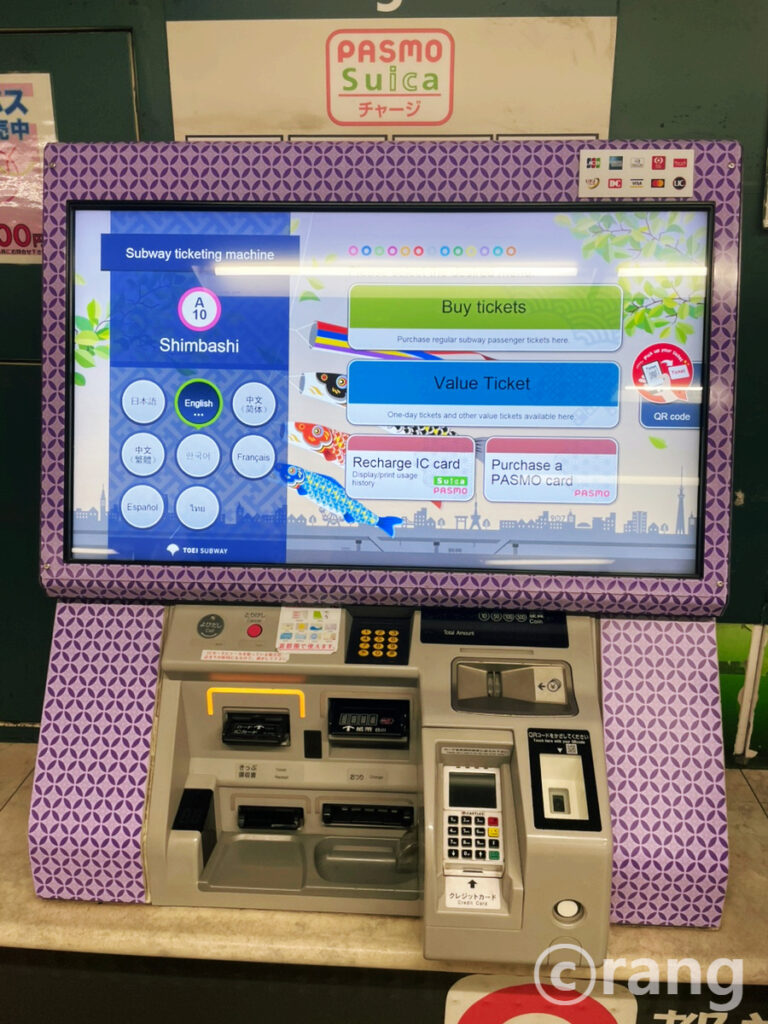
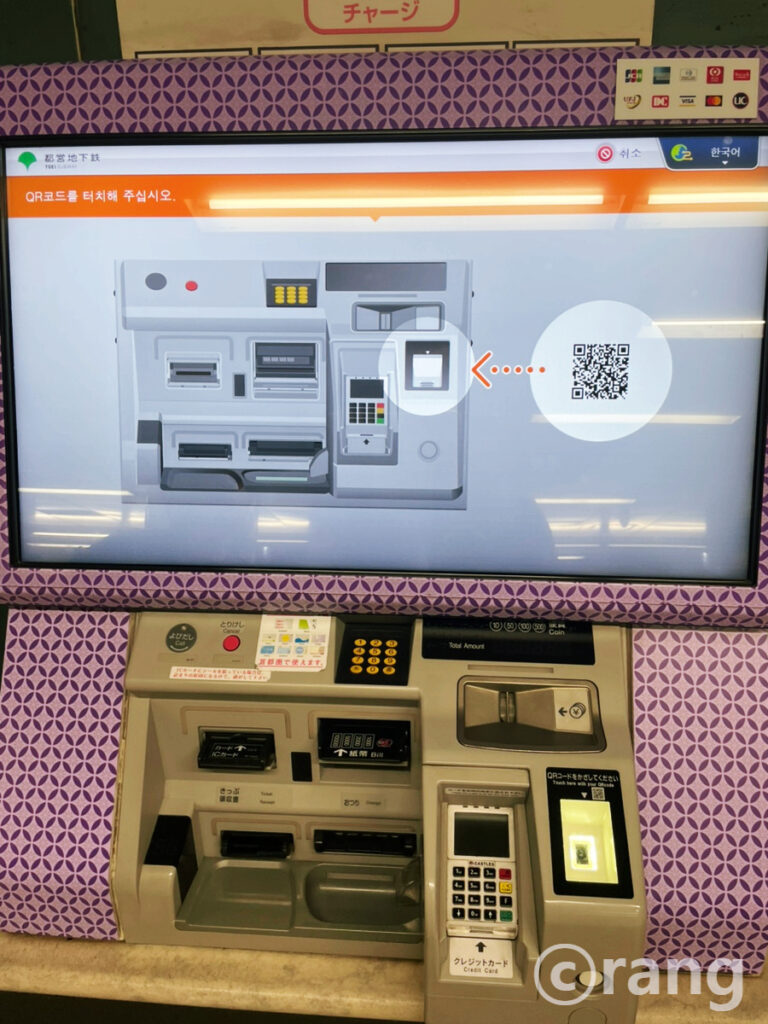
3) Who This Pass Suits Best
If your itinerary leans heavily on subway-accessible neighborhoods like Asakusa, Shibuya, Ginza, and Ueno, this pass tends to pay for itself quickly and keeps you from calculating fares at every station.
4) Splitting Your Purchase Across Non-Consecutive Days
We ended up buying a 24-hour ticket and a 72-hour ticket separately rather than one long continuous pass. Our trip had a Tokyo DisneySea day sitting in the middle of it, and since we knew we wouldn’t be riding the subway much that day, we split our purchase around it instead of paying for a stretch of hours we wouldn’t use. If your itinerary has a similar gap, like a day trip to the parks or elsewhere outside the subway network, buying shorter tickets around that gap can save you from paying for hours you won’t use.
2. Common One-Day Ticket for Tokyo Metro & Toei Subway
This ticket covers the exact same network as the Tokyo Subway Ticket, but only for a single calendar day rather than a rolling 24-hour window. After the March 2026 fare revision, it costs 1,100 yen for adults and 550 yen for children, which lands close to the price of the 24-hour Subway Ticket. The key difference is timing: the Common One-Day Ticket is valid from purchase until the last train of that same day, while the Tokyo Subway Ticket’s 24-hour clock starts at first use. If you are beginning your sightseeing late in the afternoon, the Subway Ticket generally gets you more usable hours for the same money.
One thing worth flagging: this ticket isn’t sold through Klook or similar prebooking platforms. You’ll need to buy it in person, either at the pink-colored ticket machines found at Tokyo Metro stations, or at Toei Subway station machines and ticket offices, paying with cash, credit card, or your Pasmo balance. Unlike the Tokyo Subway Ticket, which is prebooked specifically for foreign tourists, the Common One-Day Ticket is a general-use ticket that locals buy too, so it’s a same-day, in-person purchase rather than something you reserve ahead of time.
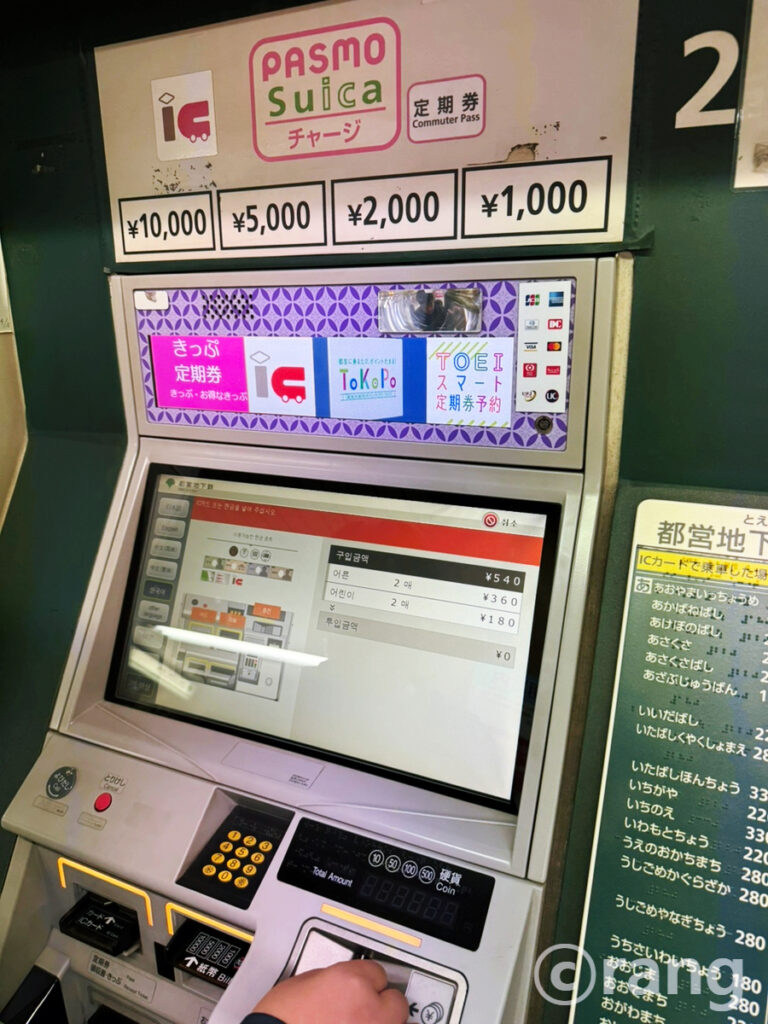
3. Suica and Pasmo (IC Cards)
Rather than a flat-rate pass, Suica and Pasmo are rechargeable IC cards that deduct the exact fare each time you tap in and out, working across JR lines, subways, buses, and most private railways. Welcome Suica, aimed at tourists, requires no deposit and stays valid for 28 days from purchase. If your travel days involve fewer than two or three rides, or routes that hop between different rail operators, an IC card often ends up cheaper and simpler than any flat-rate pass, since you are not locked into a single network.
1) A Small Detail Kids Notice: The Chirp
Our younger child used a children’s IC card, and every time she tapped through a ticket gate, it played a chirping sound instead of the usual flat beep adult cards make. Children’s cards can only be issued at a staffed ticket counter, where staff verify the child’s age with a passport, and this little audio cue is a nice touch that even lets station staff distinguish a child fare at a glance. She actually started looking forward to tapping through gates just to hear it.
2) Why You Won’t See Pasmo on Klook Right Now
If you’ve noticed Klook and similar platforms only list Suica, not Pasmo, there’s a reason. The old tourist-oriented Pasmo Passport was discontinued in 2024, and a replacement called Tourist Pasmo only launched in May 2026. For now, it’s sold exclusively at Narita and Haneda Airport station counters, not through any prebooking platform, so if you want a Pasmo card specifically, plan to pick one up in person right after you land. It carries no deposit, offers no refund on unused balance, and stays valid for 28 days.
4. Tokyo Free Kippu (東京フリーきっぷ)
This ticket extends coverage beyond the subway to include JR lines within Tokyo’s 23 wards, plus the Toden tram and the Nippori-Toneri Liner, all for one calendar day. Post-revision pricing is 1,720 yen for adults and 860 yen for children, noticeably higher than the subway-only options. The tradeoff is peace of mind: you do not need to track which line belongs to which operator. One important limit worth flagging: it only covers JR lines inside the 23 wards, so it will not help you reach JR stations in neighboring Chiba Prefecture, including Shin-Urayasu Station near Tokyo Disney Resort.
5. JR Tokyo Wide Pass
Unlike the other passes on this list, the JR Tokyo Wide Pass is built for day trips outside central Tokyo rather than getting around the city itself. It covers unlimited rides on JR East lines across the wider Kanto region, including reserved seats on Shinkansen services, and works well for destinations like Nikko, Karuizawa, Izu, and the Mt. Fuji area. Since the March 2026 revision, it costs 16,000 yen for adults and 8,000 yen for children, valid for three consecutive days. If you are only staying inside Tokyo proper, you will not need this pass at all, but it can be worth it if you are planning two or more day trips.
6. Yurikamome One-Day Ticket
Every pass covered so far runs on the Tokyo Metro, Toei Subway, or JR network. Yurikamome is a completely separate operator: a driverless, fully automated transit line running between Shimbashi and Toyosu via Odaiba. If your itinerary includes Odaiba highlights like teamLab, Fuji TV, Odaiba Marine Park, or the Rainbow Bridge viewpoints, none of the passes above will get you there, you’ll need the Yurikamome ticket separately.
The one-day ticket costs 820 yen for adults and 410 yen for children. You can buy it at any Yurikamome station’s ticket machine loaded onto a Pasmo card, or prebook a QR mobile ticket in advance through platforms like Klook. If Odaiba makes up a meaningful part of your day, the one-day ticket typically pays for itself within just a couple of rides.
7. Real Situations Where a Pass Does Not Cover You
Even with a solid pass in hand, it is easy to run into a station or line that simply falls outside its coverage. Here are two situations we actually ran into.
1) Our ibis Styles Tokyo Bay Example
On the night we stayed at ibis Styles Tokyo Bay before visiting Tokyo DisneySea, we already knew our Tokyo Subway Ticket wouldn’t cover the hotel’s closest station, Shin-Urayasu, since it’s on a JR line. On top of that, it’s a 15-minute walk from the station to the hotel. Rather than pay extra JR fare and walk that distance with a family of four and our luggage, we took the subway to Urayasu Station instead, which is on the Tozai Line and covered by our pass, then called an Uber taxi the rest of the way, using a taxi discount we happened to have at the time. Between the discount and the extra JR fare we would have paid anyway, the taxi actually came out ahead, not just more convenient. We cover this hotel stay and the Uber discount in more detail in an earlier post. Read our ibis Styles Tokyo Bay review
2) Other Common Gaps Travelers Run Into
The same kind of gap shows up elsewhere in Tokyo. Beyond the Yurikamome route to Odaiba covered above, airport transfers on the Keisei Skyliner or the Narita Express also fall outside subway pass coverage entirely. It is worth budgeting for these separately rather than assuming your pass will stretch to cover them.
3) A Fare Adjustment We Planned Around, Heading to Narita Airport
We flew into and out of Narita Airport, and before heading there, we checked in advance whether our Tokyo Subway Ticket would cover the full route. It didn’t, and once we knew that, we researched how to handle the gap and found that a fare adjustment was a normal, expected part of the trip. The Toei Asakusa Line runs through-service directly onto the Keisei Line toward Narita Airport, so you never have to change trains along the way, but that also means the ride quietly crosses from a network our Tokyo Subway Ticket covered (Toei Asakusa Line) onto one it didn’t (Keisei Line, a separate private railway).
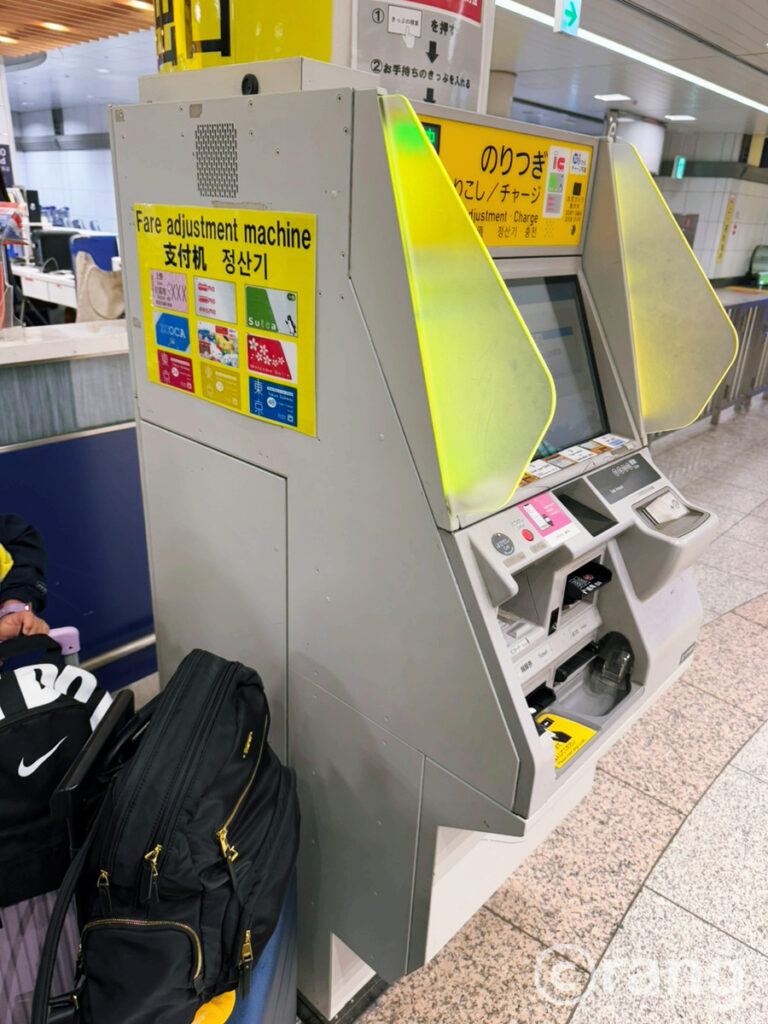
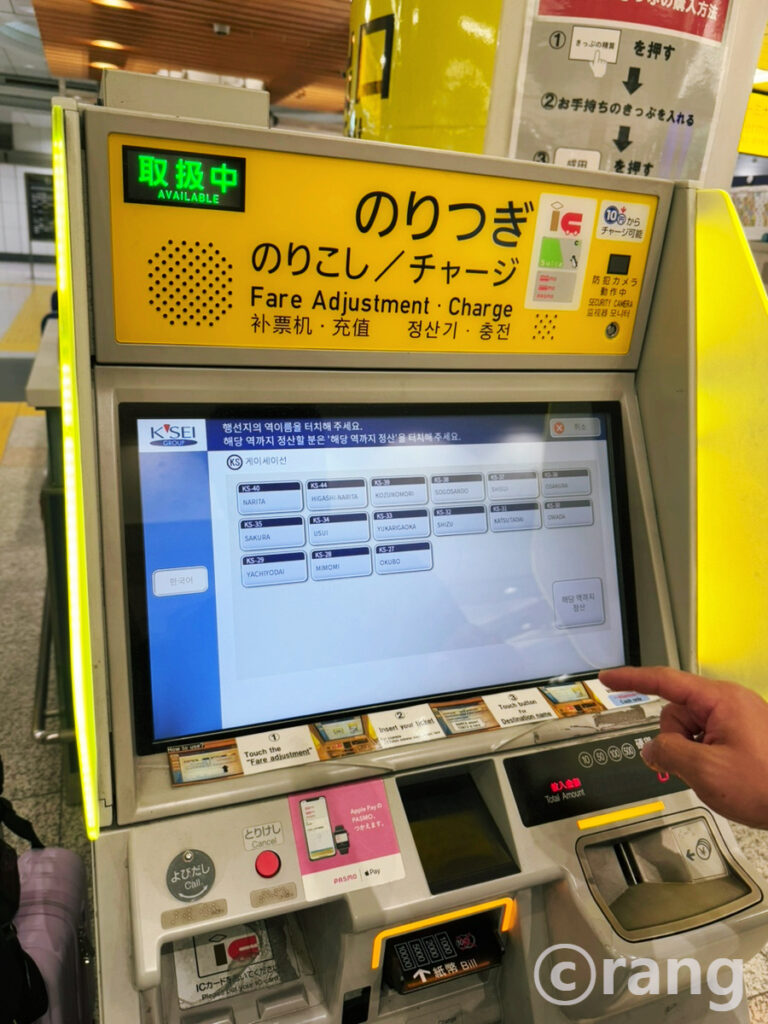
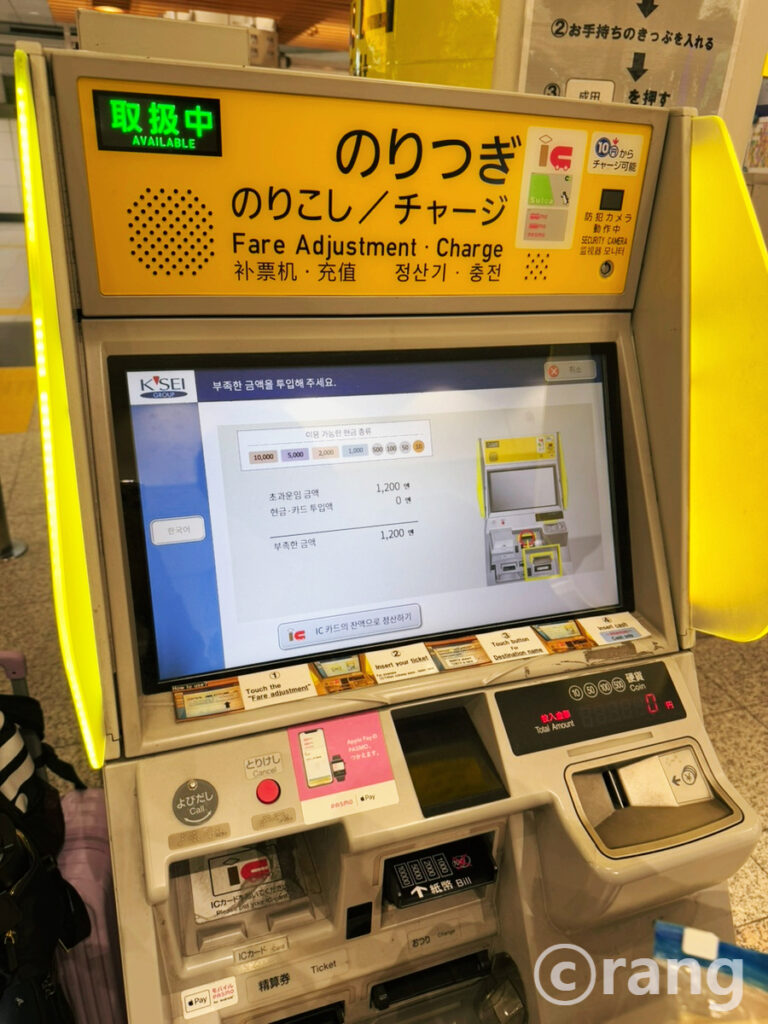
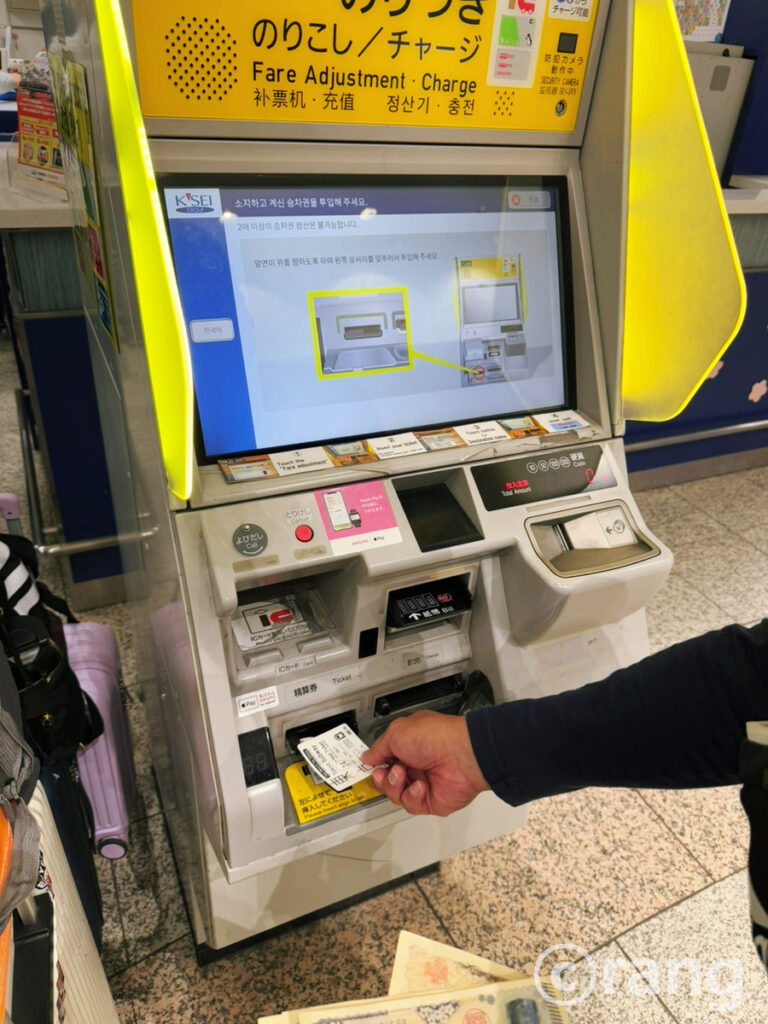
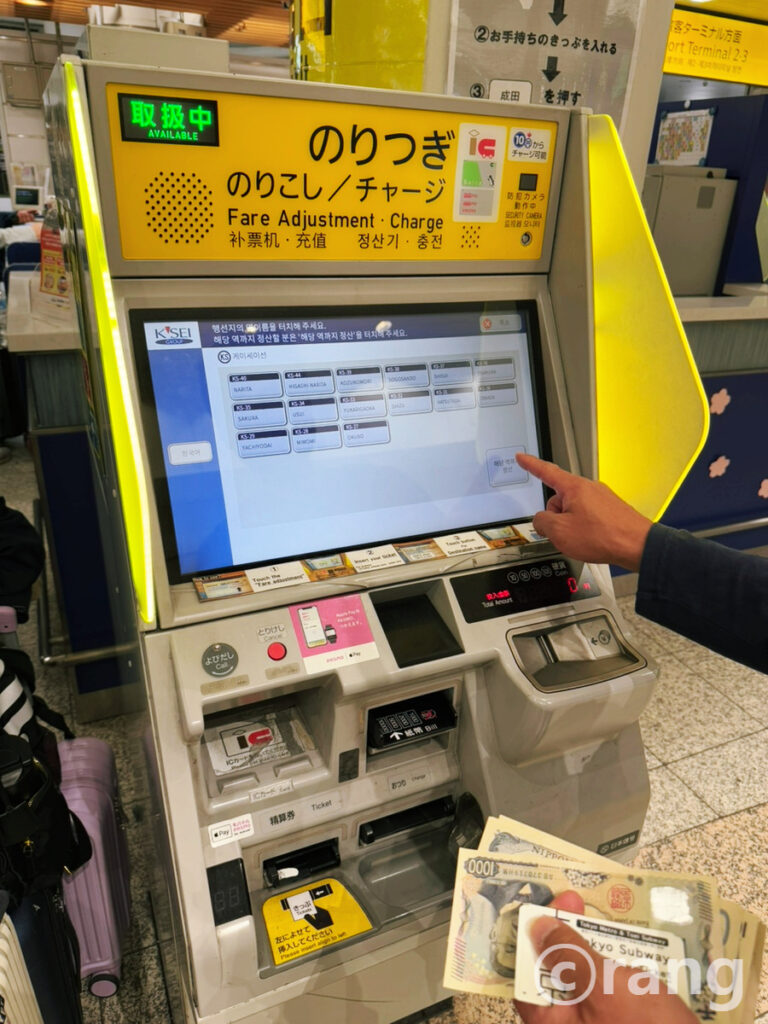
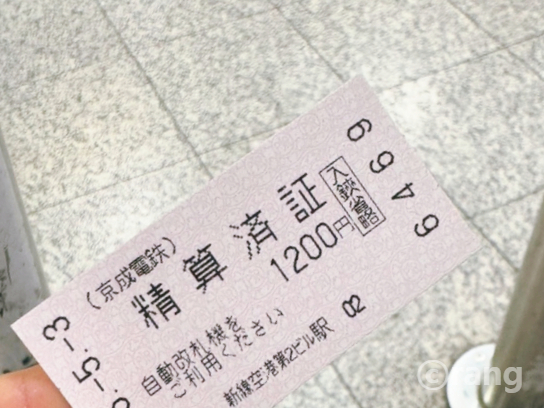
Because we’d already looked into it, we boarded knowing a fare adjustment would be waiting for us at the other end. Sure enough, our pass wouldn’t let us through the gate at Narita Airport. Rather than exiting and sorting it out with a staff member, there was a fare adjustment machine right at the gate, on the paid side, where we paid just the difference for the uncovered Keisei Line segment and it printed an adjustment ticket. We used that ticket to walk straight through the gate, no backtracking required. Knowing about this system ahead of time meant it was just a quick, expected step rather than a surprise, if you’re taking the Tokyo Subway Ticket toward Narita Airport via the Asakusa Line, it’s worth planning for a small fare adjustment at the gate as a standard part of that route.
8. Which Pass Should You Choose?
For families spending several days sightseeing inside central Tokyo, booking a Tokyo Subway Ticket on Klook ahead of time, the way we did, is usually the simplest choice. If you only need one day, the Common One-Day Ticket works just as well. If you would rather not think about which line belongs to which operator, Suica or Pasmo removes that decision entirely. Choose the Tokyo Free Kippu if your day genuinely mixes JR and subway travel inside the 23 wards, and add a JR Tokyo Wide Pass only if day trips outside Tokyo are part of your plan. Whichever pass you land on, double-check that your actual destinations, including any hotel near Tokyo Disney Resort, fall inside its coverage area before you rely on it.
1) A Simple Way to Decide
If you are still unsure, a quick way to narrow it down is to count your planned rides per day and check which operator runs each one. Three or more rides a day, mostly on Tokyo Metro and Toei lines, points toward the Tokyo Subway Ticket. A day that mixes in JR stations points toward Suica, Pasmo, or the Tokyo Free Kippu depending on how many operators you are crossing. Day trips outside the city point toward the JR Tokyo Wide Pass, on top of whichever city pass you are already using.
2) Combining Passes on One Trip
It is common, and often the smartest approach, to combine more than one option on a single trip rather than trying to find one pass that does everything. On our own trip, we used the Tokyo Subway Ticket for most of our sightseeing days, then relied on a taxi for the one leg that fell outside its coverage, rather than forcing the pass to work where it simply did not reach. Thinking of transportation passes as tools for specific legs of your trip, rather than one all-purpose ticket, tends to save both money and frustration.
Final Thoughts
None of these passes is objectively the best option, since the right choice depends entirely on your itinerary, how many people you are traveling with, and how much walking or extra fare you are willing to accept when a pass does not reach your destination. For our family of four, the Tokyo Subway Ticket booked through Klook covered the vast majority of our trip, and knowing its limits in advance meant a mismatched station like Shin-Urayasu was a minor planning detail rather than a stressful surprise on the day of travel.
Frequently Asked Questions
Q1. What is the best transportation pass for a first-time visitor to Tokyo?
For most first-time visitors focused on central Tokyo sightseeing, the Tokyo Subway Ticket offers the best balance of cost and simplicity, especially when booked in advance through Klook.
Q2. Does the Tokyo Subway Ticket cover JR lines?
No. The Tokyo Subway Ticket only covers Tokyo Metro and Toei Subway lines. JR lines, including routes to Shin-Urayasu Station near Tokyo Disney Resort, require a separate fare or a different pass such as the Tokyo Free Kippu.
Q3. Is Suica or Pasmo better than a flat-rate subway pass?
It depends on how many rides you take per day. If you are making two or fewer rides most days, or mixing JR and subway travel casually, an IC card like Suica or Pasmo is often cheaper than a flat-rate pass, since you only pay for the distance you actually travel.
Q4. Do I need the JR Tokyo Wide Pass if I am only staying in Tokyo?
No. The JR Tokyo Wide Pass is designed for day trips outside central Tokyo, such as Nikko or Mt. Fuji. If your itinerary stays within the city, a subway-focused pass or an IC card will cover your needs at a lower cost.
Q5. Can I buy the Tokyo Subway Ticket before arriving in Japan?
Yes. The Tokyo Subway Ticket can be purchased in advance through Klook, which lets you redeem it as soon as you land instead of purchasing it at a ticket counter after arrival.
Q6. Will I need to pay extra fare taking the Tokyo Subway Ticket to Narita Airport?
Possibly. The Toei Asakusa Line runs through-service onto the Keisei Line to Narita Airport, and only the Asakusa Line portion is covered by the Tokyo Subway Ticket. A fare adjustment machine right at the gate lets you pay just the uncovered Keisei Line portion and print a ticket to pass through, no need to exit and backtrack. If you check your route in advance, this is a quick, expected step rather than a surprise.
You Might Also Like
Keisei Skyliner: The Ultimate Guide to the Fastest Train from Narita Airport to Tokyo (2025–2026)