Ameyoko Market Tokyo: What to Eat and Buy Near Ueno Station and Park
After a morning of art and dinosaurs in Ueno Park, most visitors are hungry and ready to explore. Ameyoko Market Tokyo is the perfect next stop. This lively street market sits just across the road from Ueno Park, making it an easy add-on to a day spent at the Tokyo National Museum or the National Museum of Nature and Science.
Unlike a quiet museum gallery, Ameyoko Market Tokyo is loud, crowded, and full of energy from the moment its shutters go up. For travelers who have spent the morning admiring ancient artifacts or dinosaur skeletons, the contrast makes for a memorable second half of the day.
Where Is Ameyoko Market?
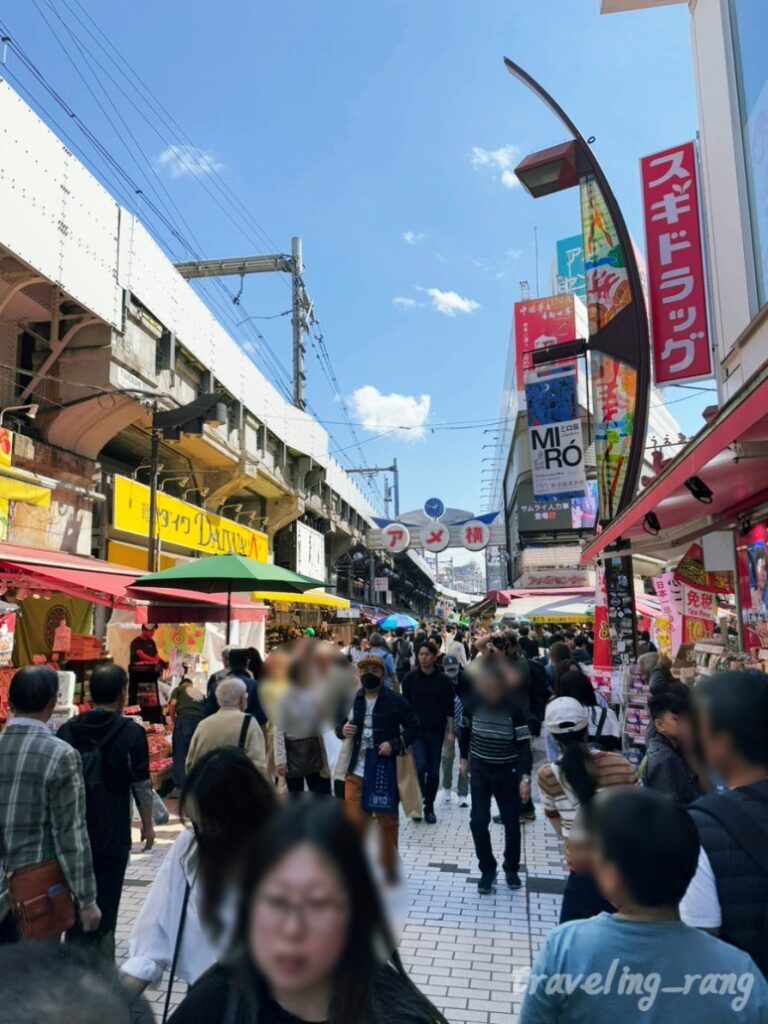
Ameyoko Market, officially known as Ameya Yokocho, runs along the elevated train tracks between Ueno Station and Okachimachi Station in Tokyo’s Taito ward. The market began as a black-market trading strip in the chaos following World War II. Today it has grown into one of Tokyo’s most energetic shopping streets.
Visitors leaving the Tokyo National Museum or the National Museum of Nature and Science only need to cross one street from Ueno Park to reach the market entrance. Despite its long history, the market covers a relatively compact area, so it rarely takes more than an hour to walk through, even with stops for food.
A Brief History
The name Ameyoko is short for Ameya Yokocho, which translates roughly to “candy shop alley,” a nod to the sweet shops that lined the street in the years just after the war. Over time, the market shifted toward selling imported American goods, and it later grew into the mixed food and retail street seen today.
That layered history is part of what gives Ameyoko Market Tokyo its distinct character. Instead of the polished, curated feel of a shopping mall, the market retains the raw, improvised energy of a postwar trading strip, even as the goods on offer have changed with the times.
Street Food at Ameyoko Market Tokyo
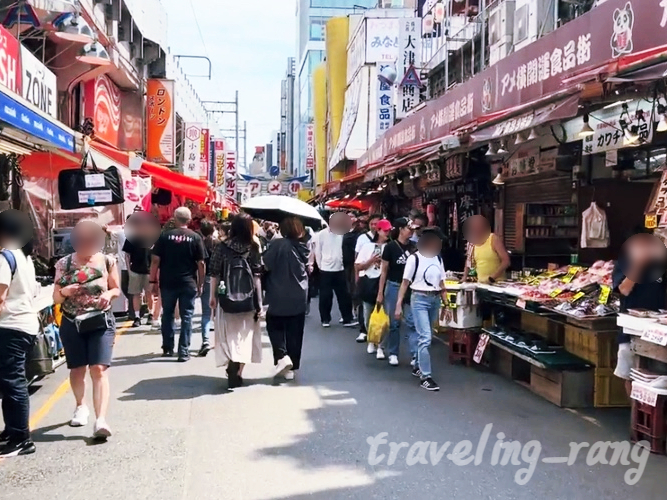
Street food is the main draw for many travelers visiting Ameyoko Market Tokyo. Stalls sell grilled seafood skewers, fresh oysters, takoyaki, and fried snacks, and the narrow lanes are usually packed with both locals and tourists grazing their way down the street.
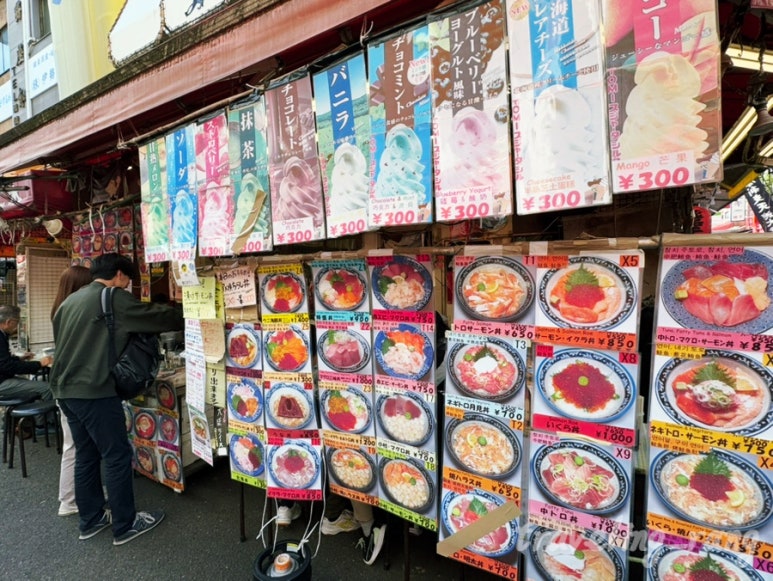
Several small rice-bowl restaurants along the market are especially popular with visitors. These shops typically display photo menus of sashimi and roe-topped rice bowls, and many include English or Korean translations, which makes ordering simple even without Japanese language skills.
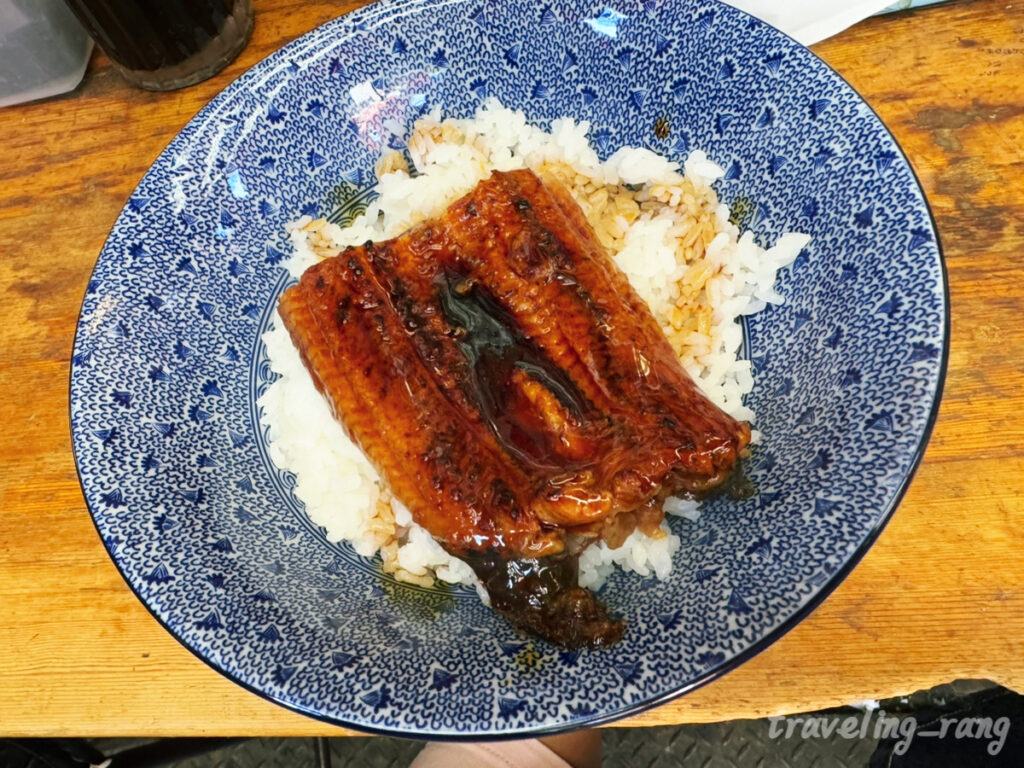
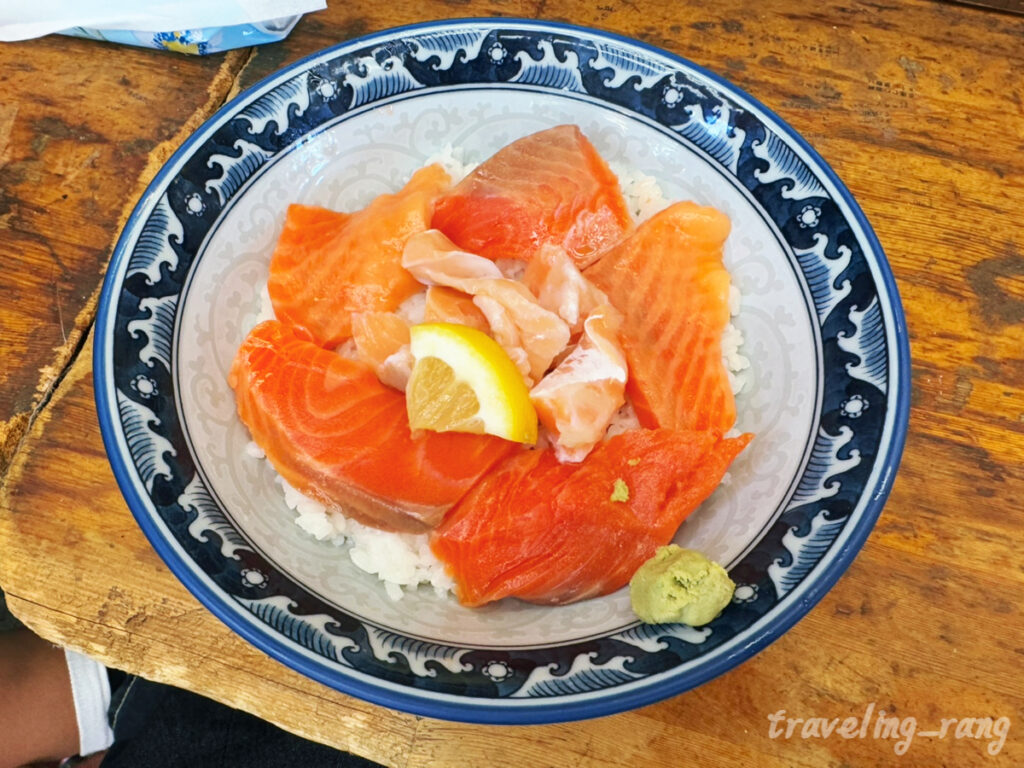
Portions are generous and prices are reasonable, with most rice bowls priced under 1,000 yen. A filling lunch for two, including drinks, can often come to well under 20,000 KRW (roughly USD 15), making Ameyoko a budget-friendly lunch stop after a museum visit.
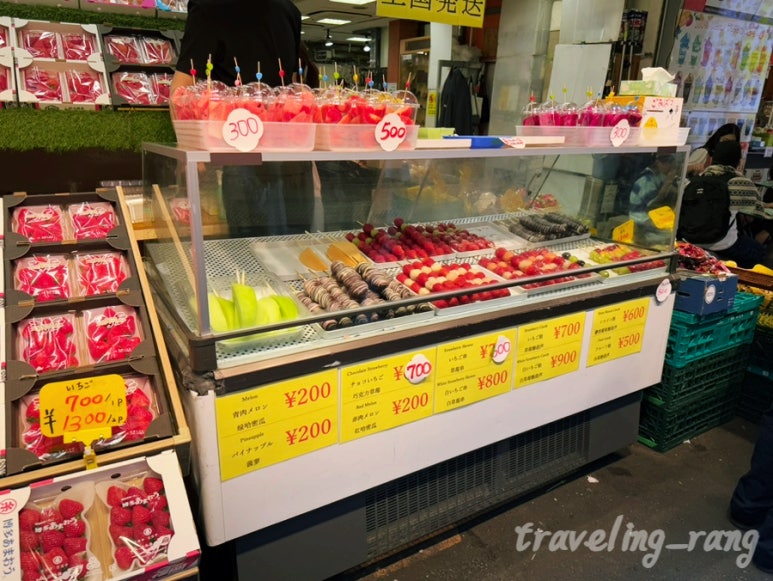
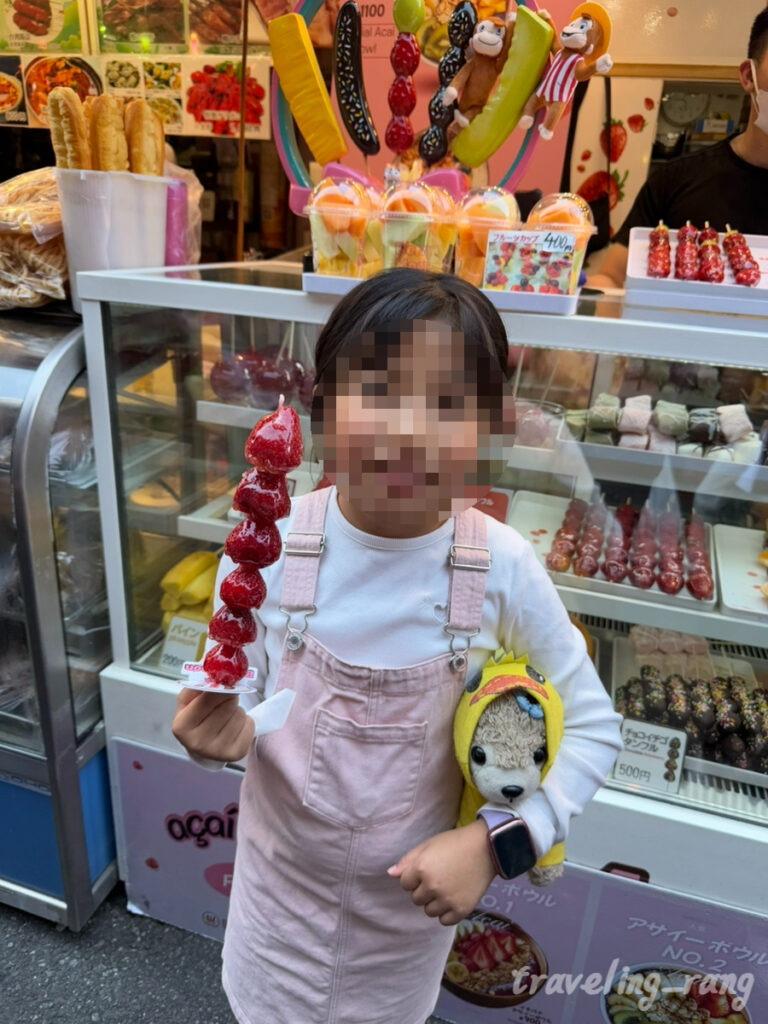
For dessert, candied fruit skewers are sold at colorful stands near the market’s edge. Lines can form quickly, especially in the afternoon, but the wait is generally short.
Other popular snacks around Ameyoko Market Tokyo include menchi katsu, a deep-fried minced meat cutlet sold from small standing shops, and skewers of grilled chicken and seafood cooked right on the street. Because portions are small and prices are low, it is easy to sample several different stalls without committing to a full sit-down meal.
Families traveling with young children may prefer the cooked options, such as rice bowls and grilled skewers, over raw seafood. Most stalls are used to serving a wide range of travelers and are generally happy to point out which dishes are cooked.
Shopping at Ameyoko Market
Beyond food, Ameyoko Market is known for its dense mix of shops selling clothing, shoes, cosmetics, dried seafood, and snacks. Fresh fruit stands are common, with cut pineapple, melon, and strawberries sold by the piece or cup.
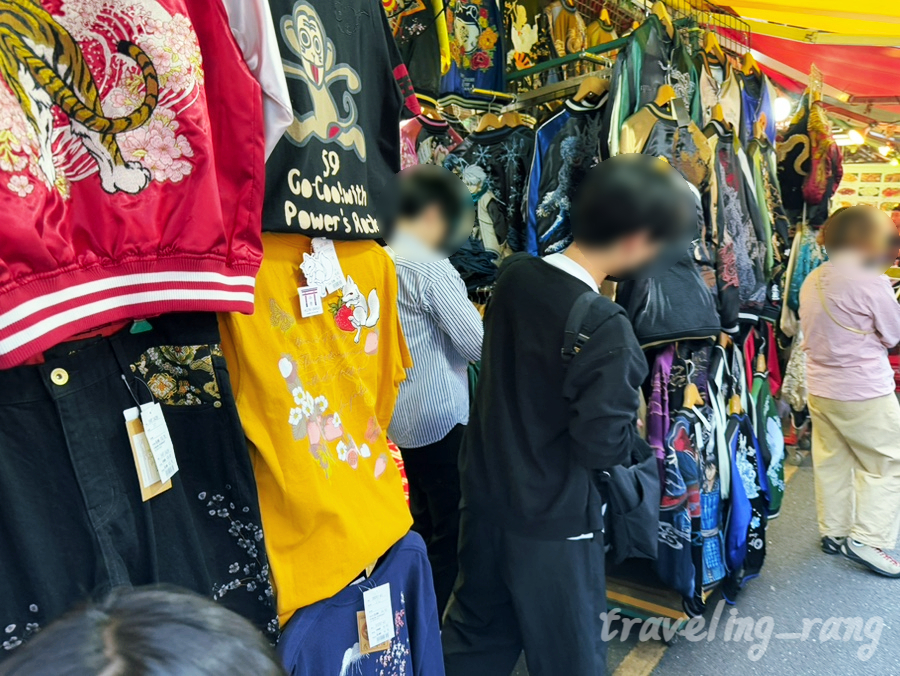
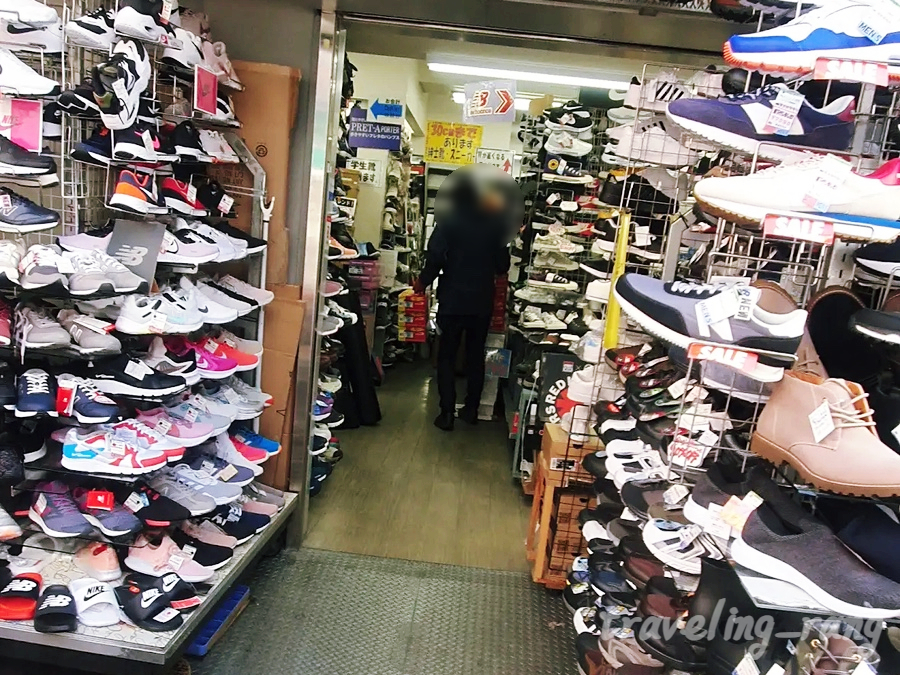
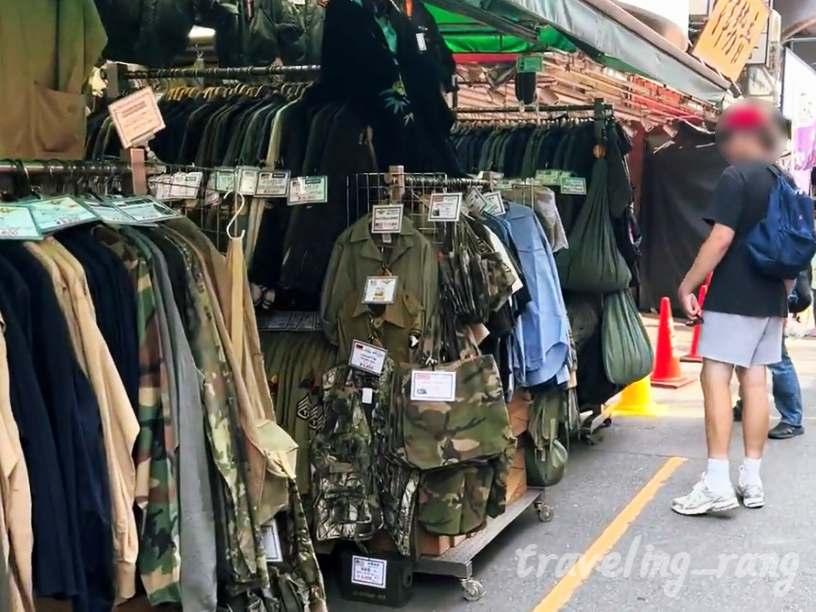
Shoppers looking for souvenirs will find plenty of snack foods and packaged treats, though the market is generally better suited to food and casual browsing than to serious souvenir shopping. Bargaining is more accepted here than in most parts of Japan, particularly for food bought in bulk or late in the day.
Most vendors prefer cash, so it is worth carrying yen before heading into the market.
When to Visit Ameyoko Market
Most shops and food stalls at Ameyoko Market Tokyo open around 10:00 a.m. and stay open until roughly 8:00 p.m., though individual hours vary by shop. Food stalls often stay open a little later than clothing and general goods shops.
Late morning to early afternoon tends to be a good window for visitors coming straight from the Tokyo National Museum or the National Museum of Nature and Science, since both museums open early and the market is already in full swing by lunchtime. Weekends and late afternoons are the busiest times, so early risers will find the lanes easier to navigate.
Getting to Ameyoko Market
Ameyoko Market Tokyo is easiest to reach on foot from Ueno Station, using either the JR Ueno Station Shinobazu exit or the Ueno Park side of the station. The market entrance sits directly beneath the elevated train tracks, only a few minutes from the park’s main paths.
Travelers coming from the Tokyo National Museum or the National Museum of Nature and Science can simply walk south through Ueno Park, cross the main road at the park’s edge, and enter the market from its northern end. No train transfer is required.
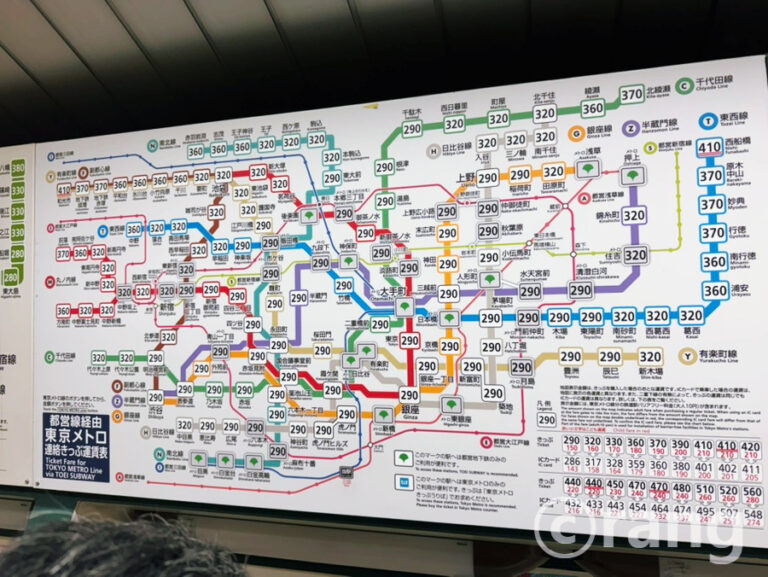
An IC card such as Suica or Pasmo is useful for the train ride to Ueno Station, but once inside Ameyoko Market itself, cash is the more practical choice, since many food stalls and smaller shops do not accept cards.
Nearby Attractions Worth Combining
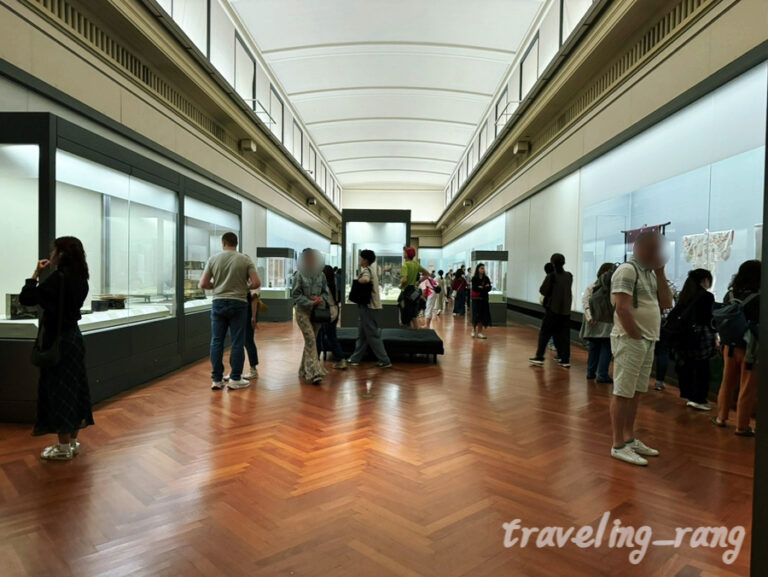
Ameyoko Market pairs naturally with a museum day in Ueno Park. The Tokyo National Museum, home to one of the largest collections of Japanese and East Asian art in the world, sits at the northern end of the park. [Tokyo National Museum post]
A short walk away, the National Museum of Nature and Science offers a more hands-on experience, with dinosaur skeletons and interactive science exhibits that appeal to children and adults alike. [National Museum of Nature and Science post]
Both museums are closed on Mondays, so travelers should plan a market-and-museum day for another weekday or a weekend instead.
Tips for a Smooth Visit
A few practical notes make a visit to Ameyoko Market Tokyo easier, especially for travelers coming straight from a museum morning:
- Bring cash. Many food stalls and small shops do not accept credit cards.
- Go hungry. Skipping breakfast or eating a light one leaves more room to sample multiple stalls.
- Watch belongings. The market gets crowded, particularly on weekends, so keep bags zipped and close.
- Wear comfortable shoes. The market lanes are narrow and often uneven underfoot.
- Avoid Mondays for the full itinerary. Since the nearby museums are typically closed, pair Ameyoko with a weekday or weekend museum visit instead.
Frequently Asked Questions
Is Ameyoko Market free to enter? Yes. There is no entrance fee. Visitors only pay for the food and goods they choose to buy.
How far is Ameyoko Market from Ueno Park? The market entrance is directly across the street from Ueno Park, about a two- to three-minute walk from either the Tokyo National Museum or the National Museum of Nature and Science.
Is Ameyoko Market good for kids? Yes. The market is crowded but generally safe, and the variety of street food and sweets, including candied fruit skewers, tends to appeal to children.
Do vendors accept credit cards? Some larger shops accept cards, but many food stalls and smaller vendors prefer cash, so it is best to carry yen.
What is the best time to visit Ameyoko Market? Late morning on a weekday, right after visiting the nearby museums, tends to be less crowded than weekend afternoons.