Kuala Lumpur Chinatown Street Art: A Walking Tour Through the Heritage Alleys
Kuala Lumpur Chinatown street art has a way of sneaking up on you. Most visitors arrive expecting Petaling Street’s night market — the neon signs, the bargaining, the smell of grilled satay — and that’s exactly what they get if they stay on the main street. But step just a little further off Petaling Street, into the quieter lanes behind it, and Chinatown shows a completely different side: a network of heritage alleys, faded shopfronts, and one wall-to-wall mural lane, Kwai Chai Hong, that’s become one of the most photographed corners of the district. As residents of Kuala Lumpur, we’ve walked this stretch more than once, and it still surprises us how few visitors make it back here.
This guide walks through that route the way we experienced it, right after visiting Beryl’s Chocolate nearby: a red-lantern lane, the Kwai Chai Hong mural alley, a quick stop at a local cookie shop, how to get there, and the very different mood the same streets take on after dark.
1. Kuala Lumpur Chinatown Street Art Starts With a Red-Lantern Lane
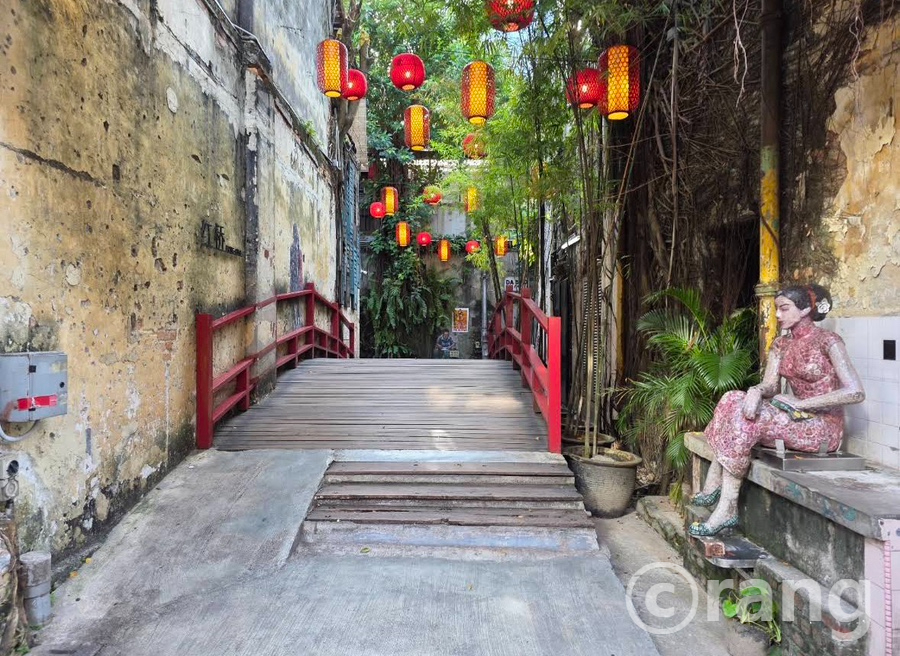
Before you reach any of the murals, the walk begins at the mouth of a narrow lane strung with rows of red lanterns overhead. Even in the middle of the day, the lanterns give the entrance a warm, slightly theatrical feel — enough that we knew within a few steps this was going to be a good photo walk, well before the street art itself came into view.
The buildings lining this stretch are old red-brick shophouses, many with paint faded by decades of tropical humidity and sun. Some still have their original signage, half-legible now, layered over with newer shopfront additions. It’s a quieter, more textured version of Chinatown than the one most travelers photograph on Petaling Street, and it sets the tone for what’s coming further down the lane.
1) Old Shophouse Architecture Worth Slowing Down For
If you like architecture as much as street art, it’s worth pausing here rather than rushing toward the murals. The mix of aging brick, timber shutters, and hand-painted shop signage tells a very different visual story from the neon-lit market street just a block away — and it’s easy to miss if you’re moving quickly toward the more famous mural alley.

2. Kwai Chai Hong: Chinatown’s Best Street Art Stop
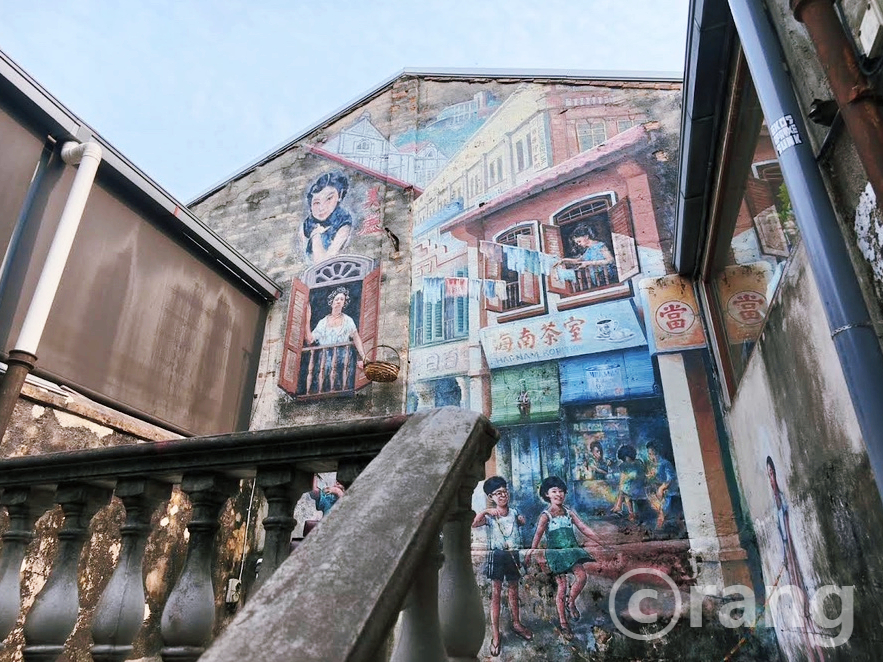
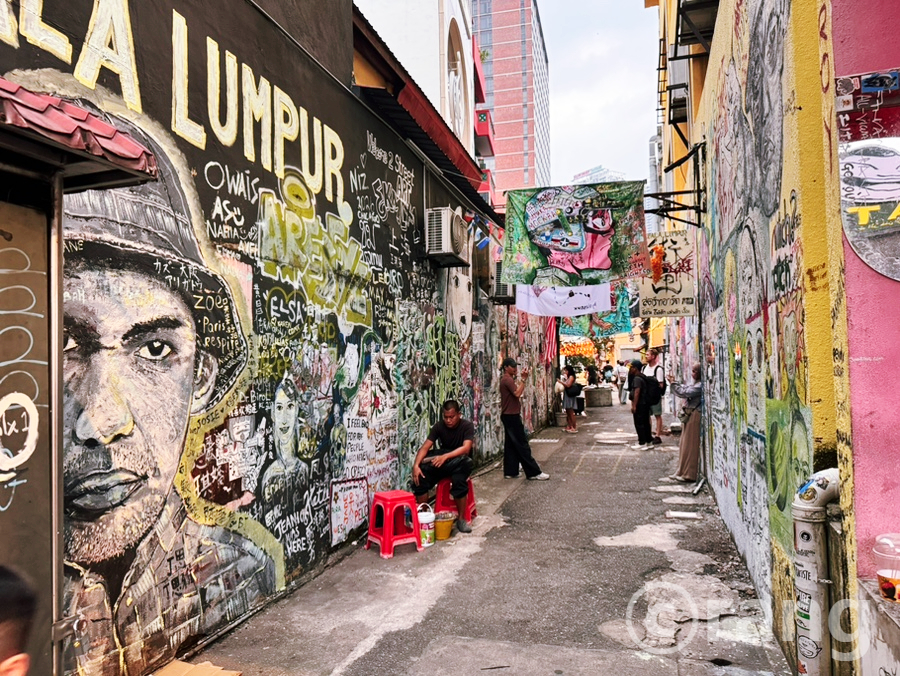
A short walk further in, the lane opens into what is easily the highlight of any Kuala Lumpur Chinatown street art walk: Kwai Chai Hong, an alley covered wall-to-wall in colorful murals. Painted portraits, characters, and everyday scenes from Chinatown’s past fill both sides of the lane, floor to roofline, with barely a gap of bare wall in sight.

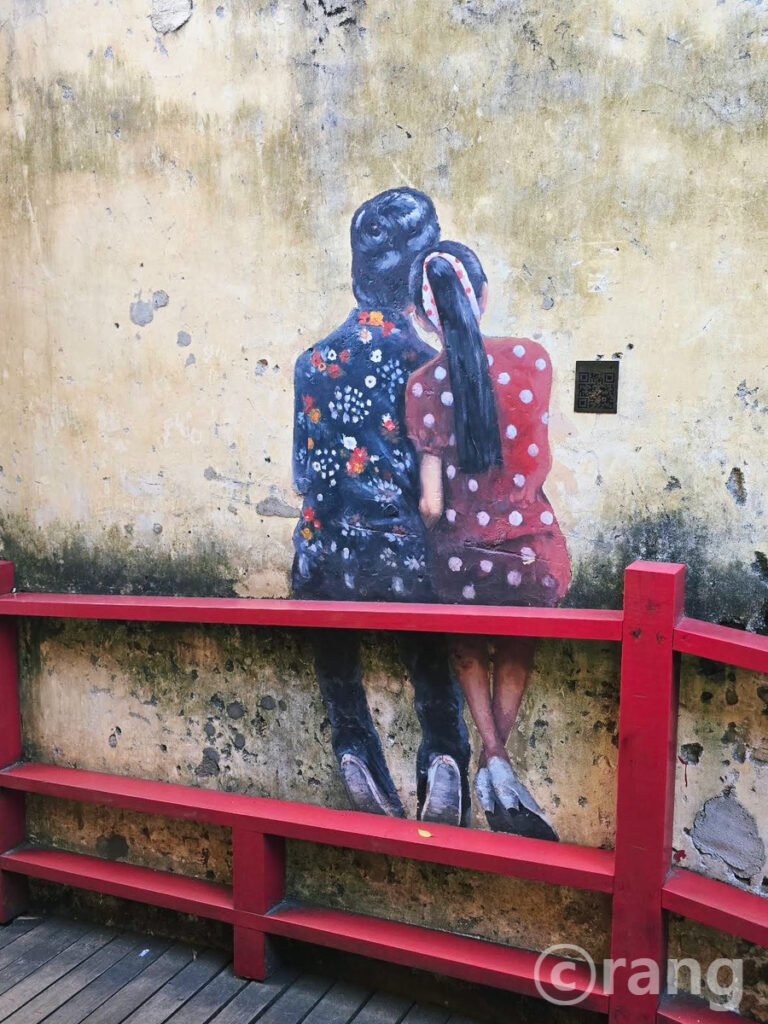
It’s an easy, enjoyable stretch to walk through slowly. Our friends visiting from Korea ended up taking more photos here than almost anywhere else on the trip — more, even, than at the night market itself. If you’re building a Kuala Lumpur Chinatown walking tour around photo opportunities, this alley is the one stop we’d tell you not to skip.
1) Why It’s a Favorite for Photos
Between the density of the artwork and the color palette used throughout, this alley reads almost like an outdoor gallery rather than a side street. Morning light tends to hit the walls more evenly, while late afternoon brings warmer tones — so if photography is a priority, it’s worth timing your visit around one of those windows rather than the middle of the day, when the alley can also be more crowded with other visitors doing the same thing.
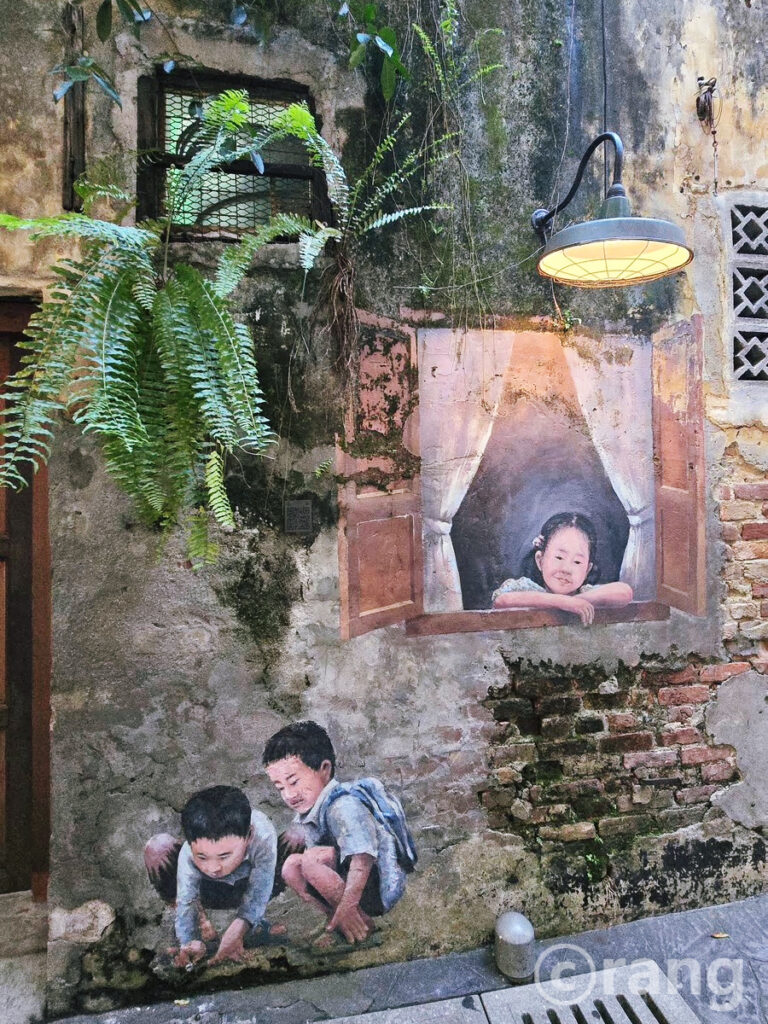
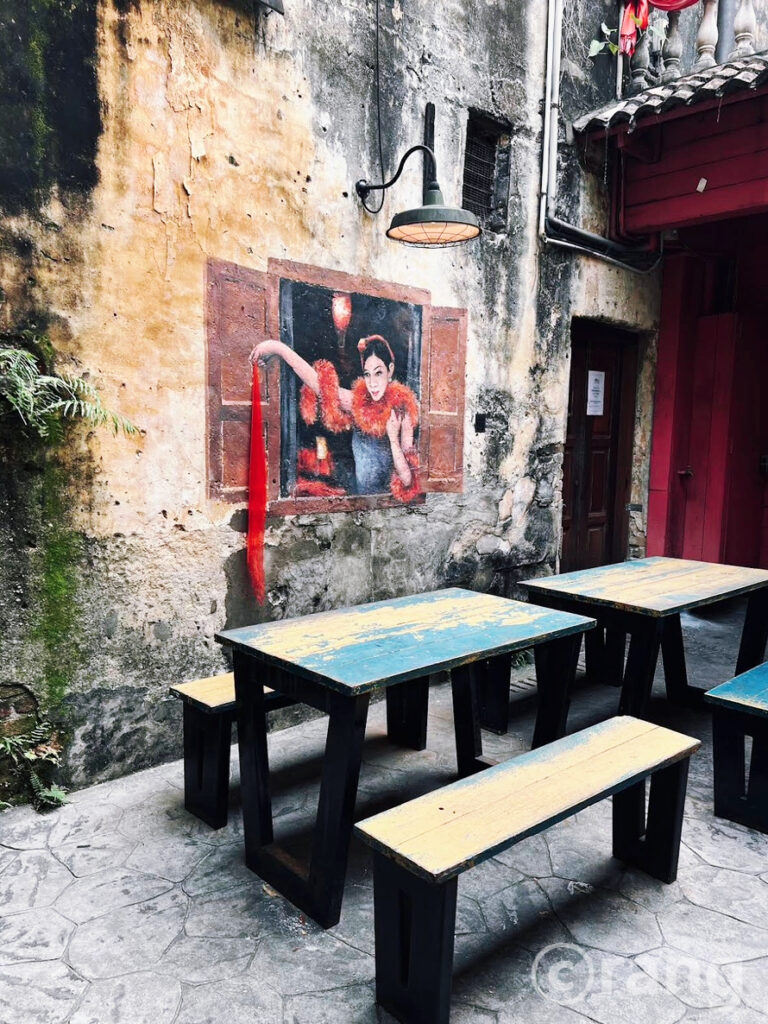
2) A Popular Spot, So Patience Helps
Because word has gotten out about this alley, don’t expect to have it entirely to yourself, especially on weekends. A little patience for a clear shot, or a slightly earlier start to your walk, goes a long way here.
3. A Quick Cookie Stop Along the Way
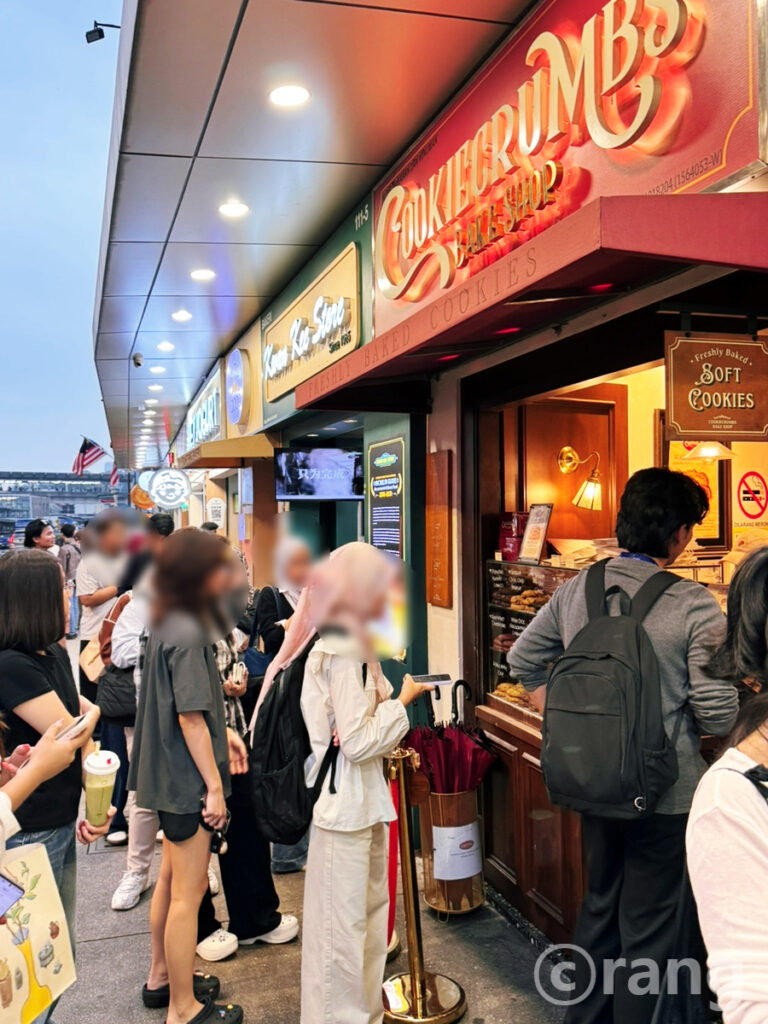
Between the architecture and the murals, the alleys aren’t purely a backdrop — they’re still a working part of the neighborhood. Along the way, we ducked into CookieCrumbs, a soft cookie shop tucked along the route, before continuing on toward RexKL. We’re covering that stop in full detail in a separate review soon, so we’ll keep this brief here — but it’s a good example of the kind of small, easy-to-miss shop that makes walking this route more interesting than simply photographing the street art and moving on.
4. Getting There
These alleys sit within Kuala Lumpur’s Chinatown district, just off Petaling Street, and are easy to reach on foot from the Pasar Seni MRT/LRT station — an interchange between the LRT Kelana Jaya Line and the MRT Kajang Line. From KL Sentral, it’s a single stop on the Kelana Jaya Line with no transfer needed. Once you exit toward Chinatown/Petaling Street, the alleys are only a few minutes’ walk from the station, making this an easy add-on rather than a separate trip across town.
Because the network of lanes threads directly off Petaling Street, there’s no single “entrance” to look for — the most reliable approach is to start at the night market and simply take one of the side lanes leading away from the main street, or check Kwai Chai Hong’s own site (kwaichaihong.com) for a map before you go.
5. How the Alleys — and the Street Art — Transform After Dark
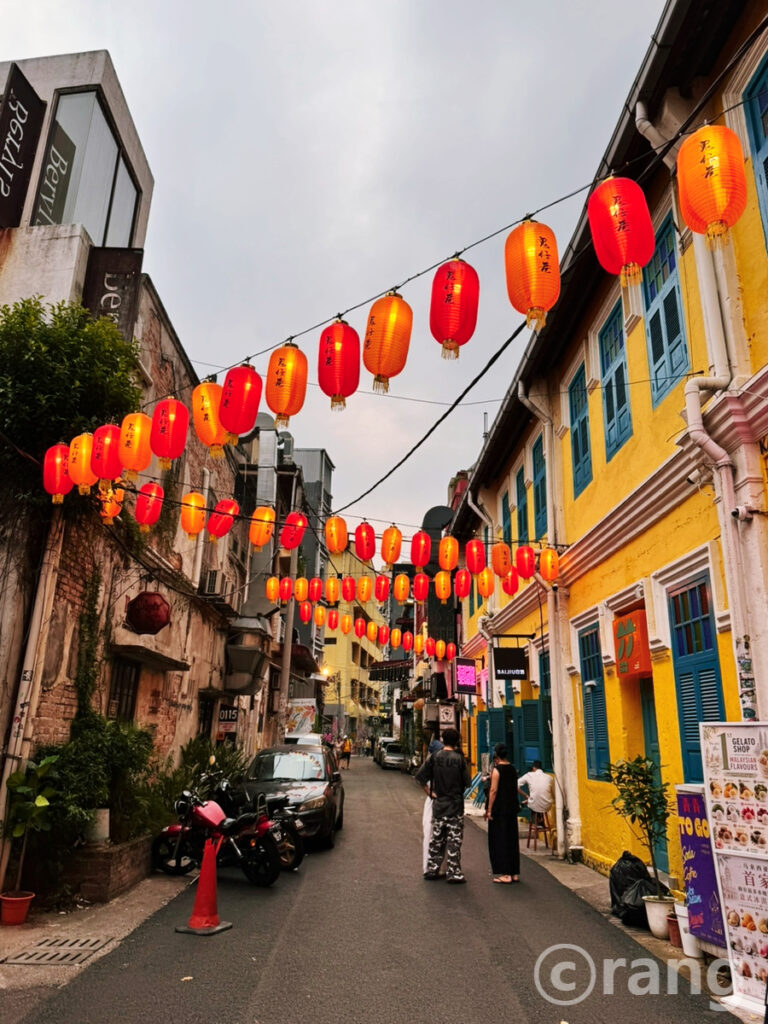
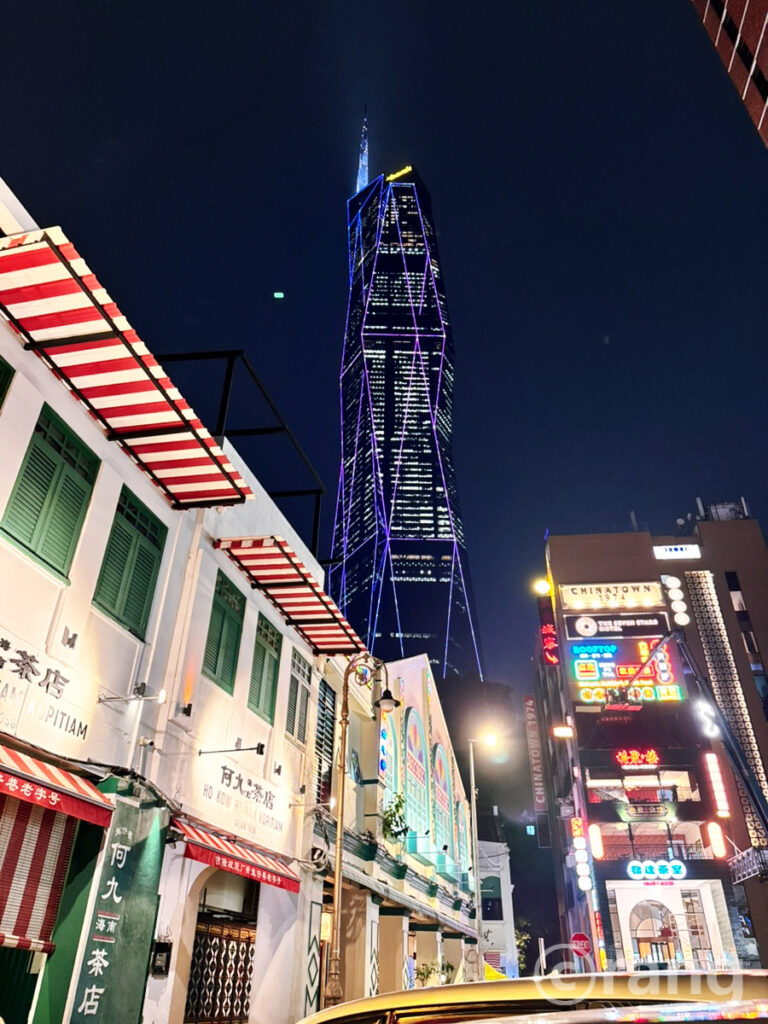
Walking the same stretch again after sunset reveals a genuinely different place. The calm, sun-bleached daytime mood gives way to something livelier and more colorful once the lights come on: old mustard-yellow heritage buildings glow under strings of red lanterns, the murals take on a different tone under string lighting, and modern high-rises occasionally peek through the gaps between buildings in the distance, a small reminder of how close this heritage pocket sits to the rest of the city.
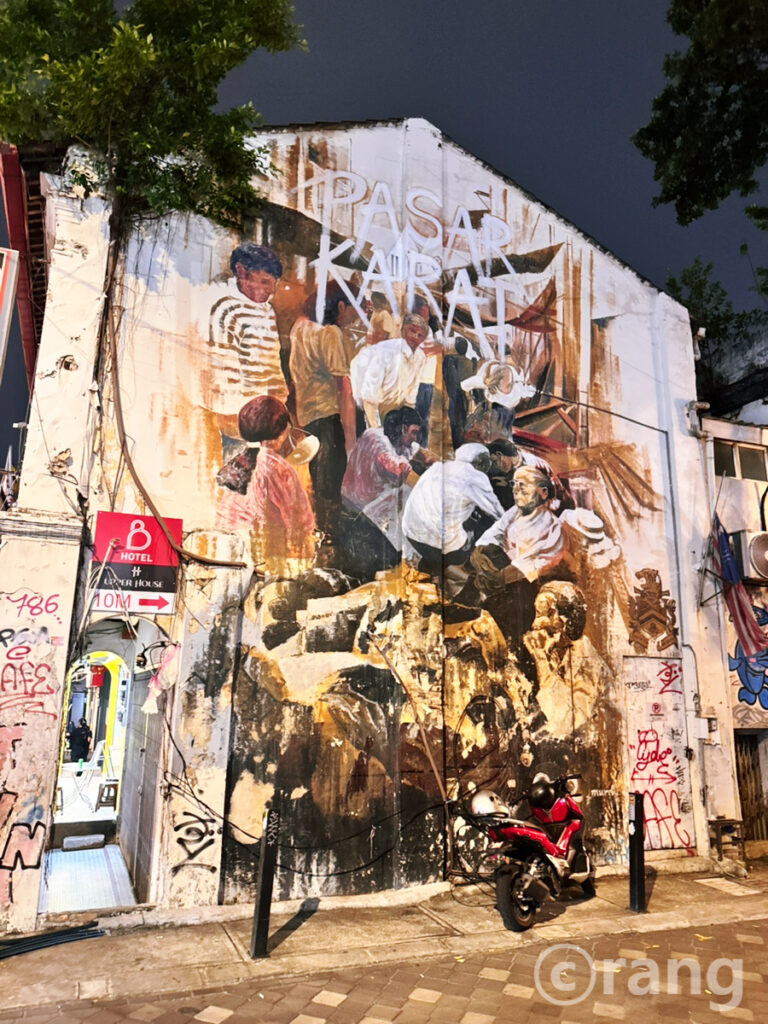
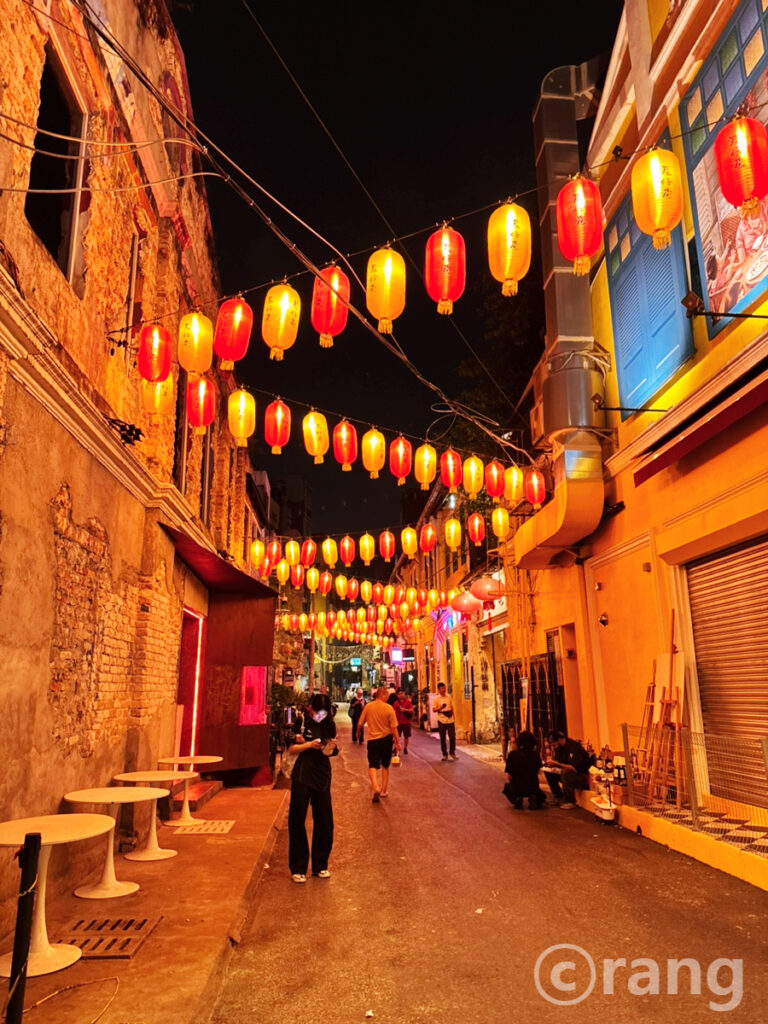
It genuinely feels like these alleys have two separate personalities — one quiet and photogenic by day, one warmer and more atmospheric by night — and we’d argue neither version is the “better” one to see.
1) Worth Walking Twice
If your schedule allows it, we’d recommend walking through both during the day and again in the evening. The shift in atmosphere is significant enough that it feels less like revisiting the same street and more like visiting two different ones.
6. Practical Tips for Your Kuala Lumpur Chinatown Walking Tour
A few things worth knowing before you go: wear comfortable shoes, since the alleys are narrow, occasionally uneven underfoot, and can get crowded around the mural section. Make sure your phone or camera battery is charged — between the lantern lane, the murals, and the evening lighting, you’ll likely want it more than once. Bring a bit of patience if you’re hoping for photos without other visitors in frame, particularly on weekends. And because these heritage lanes sit right between Petaling Street and several other Chinatown stops, they fold naturally into a longer walking itinerary rather than requiring a special trip of their own.
If you’re mapping out a route, treat this walk as a connector rather than an endpoint — we went Beryl’s Chocolate, then this alley walk, then a quick cookie stop, then on to RexKL. Use these quieter alleys as the calmer middle section of a longer Chinatown day.
FAQ
Q1. What makes this area a good stop for Kuala Lumpur Chinatown street art? A. Kwai Chai Hong, a single alley here, is covered wall-to-wall in colorful murals — portraits, characters, and scenes from Chinatown’s history — making it one of the most concentrated and photogenic collections of street art in the district.
Q2. Is this different from Petaling Street market? A. Yes. Petaling Street is the main shopping and night market street, while these are quieter side lanes known for heritage architecture and street art rather than market stalls.
Q3. How do I get there? A. Take the LRT Kelana Jaya Line or MRT Kajang Line to Pasar Seni station, then walk a few minutes toward Chinatown/Petaling Street; the alleys branch off the main street.
Q4. Should I visit during the day or at night? A. Both, if your schedule allows. The atmosphere changes substantially after dark, when lanterns and string lighting take over from natural light.
Q5. What else is nearby? A. Beryl’s Chocolate and a soft cookie shop, CookieCrumbs, both sit along the same short walk, making this an easy segment to combine with a couple of other stops.
Q6. How does this fit into a wider Chinatown itinerary? A. Easily. These alleys connect naturally with Petaling Street night market and other nearby stops, so they work well as a walking segment within a longer Chinatown day rather than a separate trip.


One Comment