Chew Jetty Penang: An Amazing Free Guide to George Town’s Living Heritage
If you’re planning a trip to Penang and want to experience something genuinely different from the usual tourist trail, Chew Jetty Penang deserves a spot at the top of your list. Tucked along the waterfront of Weld Quay in George Town, this historic stilt village is one of the last surviving Chinese clan settlements in Southeast Asia — and unlike many “heritage attractions,” people actually live here. That contrast between living community and open-air museum is exactly what makes Chew Jetty Penang so compelling.
I lived in Penang for several years, and Chew Jetty was one of those places I kept returning to — sometimes with visitors, sometimes on my own. This guide covers everything you need to know: the history, what to expect on your visit, practical tips, and a few things I wish someone had told me on my first time.
What Is Chew Jetty Penang? A Quick History
Chew Jetty Penang is the largest and most visited of the seven Clan Jetties located along Weld Quay in George Town. The jetties were originally constructed in 1888 as part of a development project along the quayside in George Town. Chinese immigrants — each group organized by clan surname — settled along the waterfront and built wooden stilt houses over the water, creating tight-knit communities that became known as the Clan Jetties.
Chew Jetty’s roots go back to the late 19th century, when Chinese immigrants, predominantly of the Chew Clan, settled along the shorelines of Penang. Seeking economic opportunities, these early settlers constructed wooden houses on stilts, creating a waterfront community that would later become known as Chew Jetty.
The other clan jetties — Lim, Tan, Lee, Yeoh, Koay, and Mixed Surnames — each carry their own history and character, but Chew Jetty stands apart in scale, atmosphere, and the sheer number of things to see. George Town’s designation as a UNESCO World Heritage Site recognizes the Clan Jetties as a contributing factor to the city’s cultural significance.
What to Expect When You Visit Chew Jetty Penang
The Entrance and Donation Box
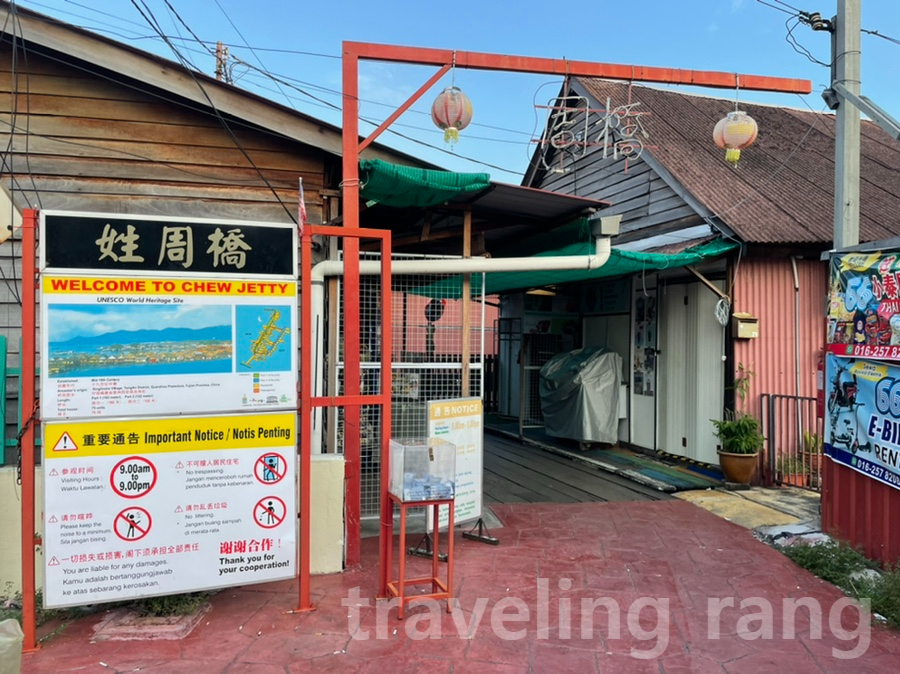
There’s no ticket booth, no turnstile, and no admission fee. Chew Jetty is a public and residential area, so it does not have official opening and closing hours. However, for the best experience, visiting during daylight hours is advisable, typically between 9:00 a.m. and 6:00 p.m. Just inside the entrance, you’ll spot a transparent acrylic donation box. I’d encourage dropping in a small contribution — it genuinely goes toward maintaining the village.
The Wooden Walkways
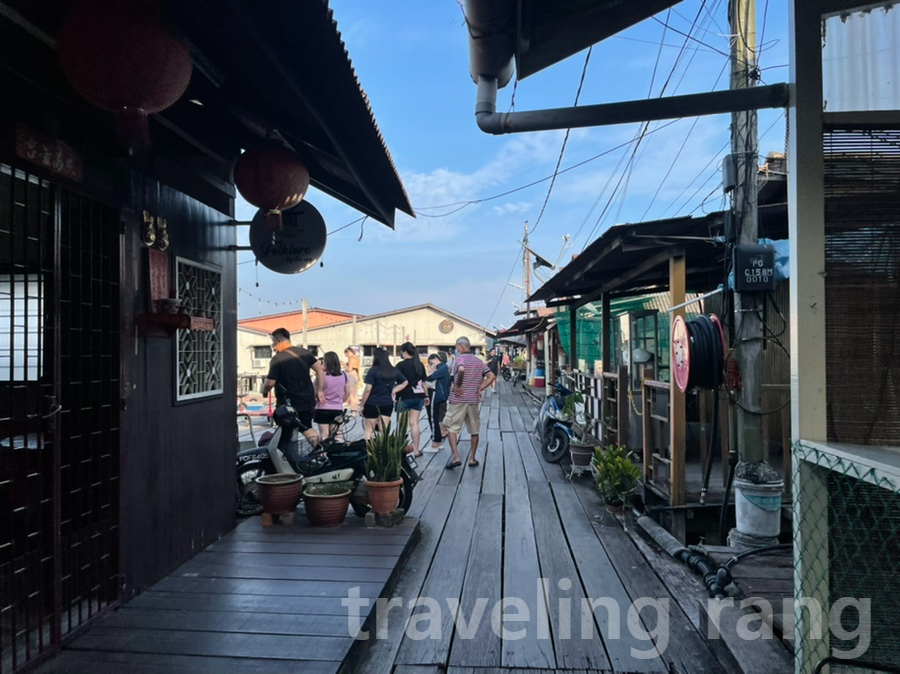
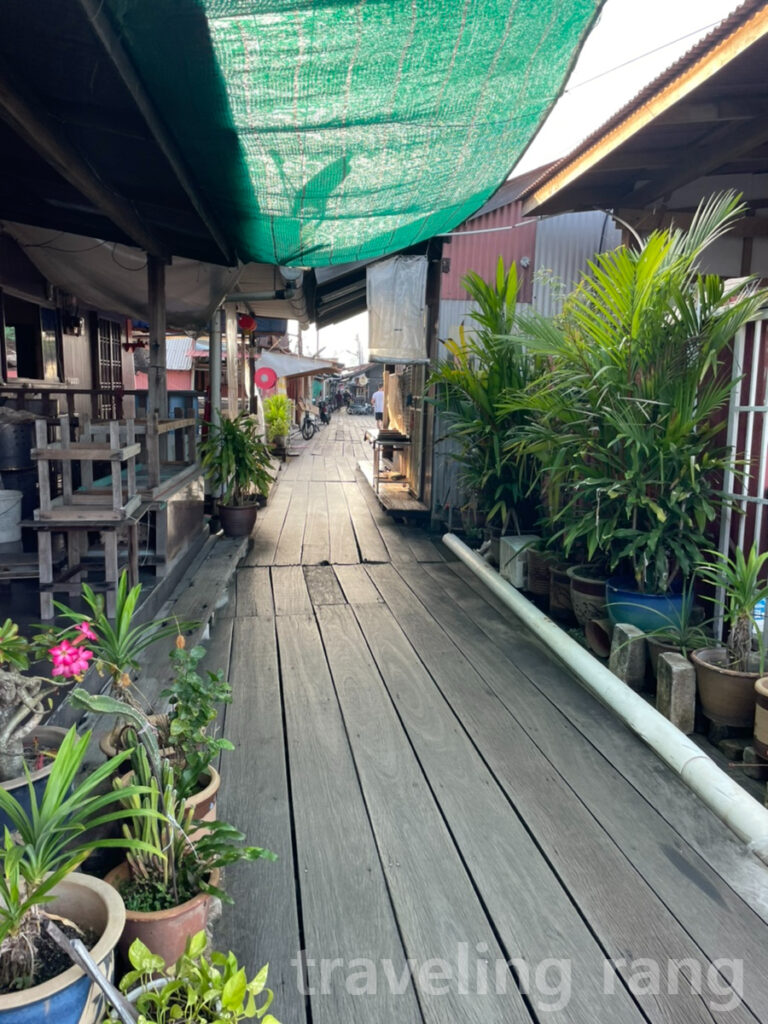
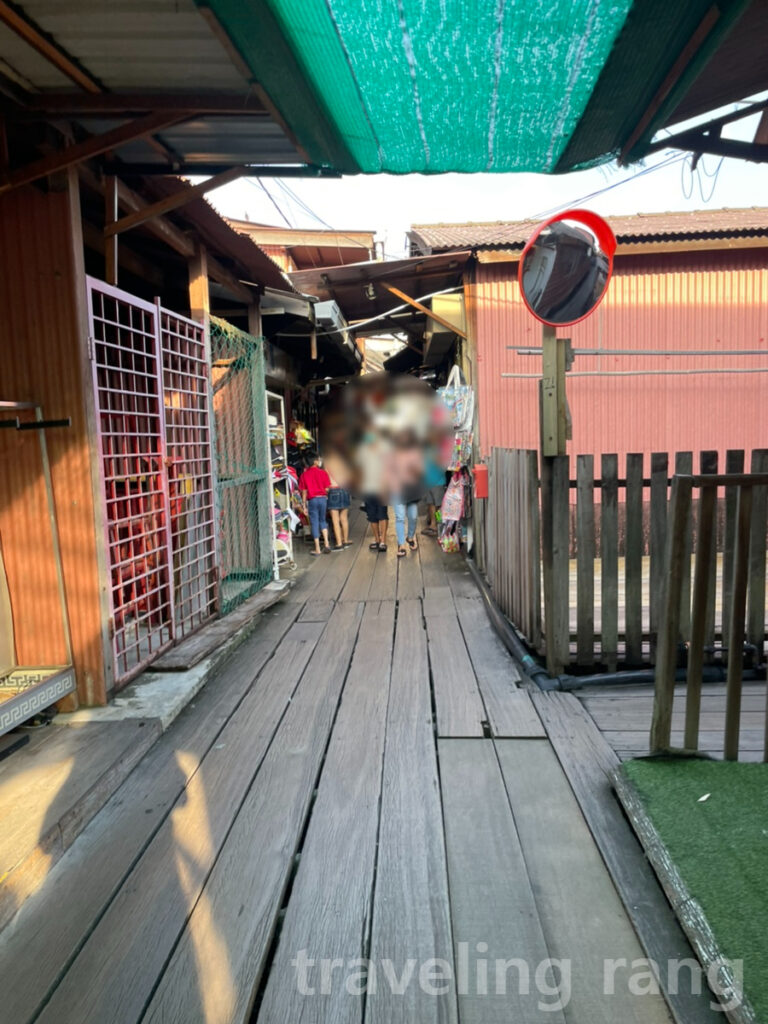
The moment you step onto the main boardwalk, you’ll notice the creak of old wooden planks underfoot and the occasional glimpse of dark water between the boards. On my first visit, it felt slightly precarious — but the structure is far sturdier than it looks, and you quickly stop noticing. The narrow walkway is shared with motorbikes, residents going about their day, and curious tourists like you, which creates an oddly charming chaos.
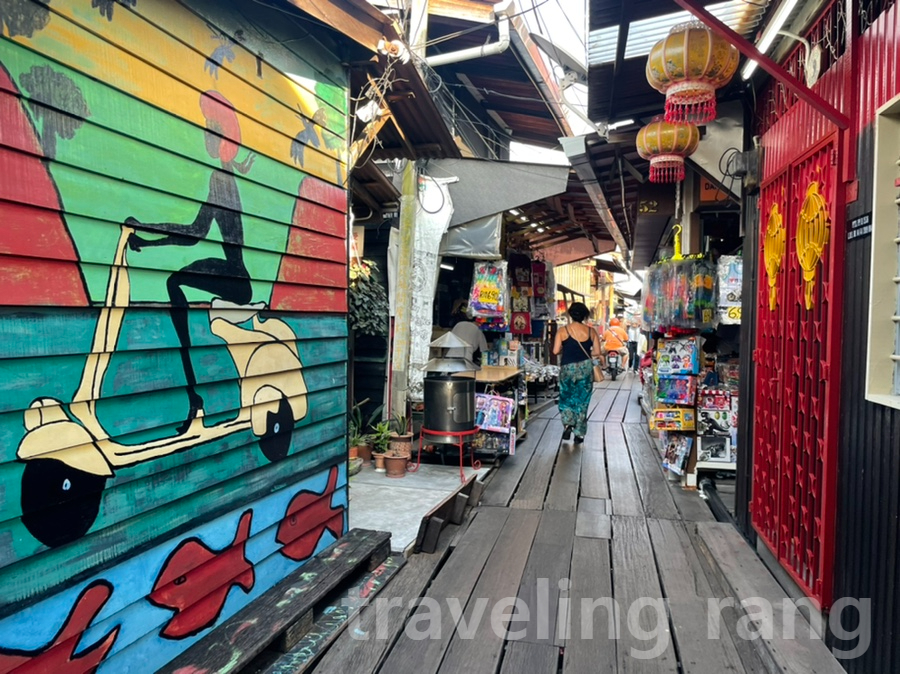
Homes, Shops, and Daily Life Side by Side
What makes Chew Jetty Penang unique is that it hasn’t been hollowed out into a theme park version of itself. Residents hang laundry, chat in doorways, and watch the foot traffic from plastic chairs outside their homes. Alongside these lived-in spaces are small shops selling souvenirs, handmade crafts, and local snacks. Some storefronts are closed and weather-worn, but even those have become canvases for colourful wall art.
The “Folklore by the Sea” Mural
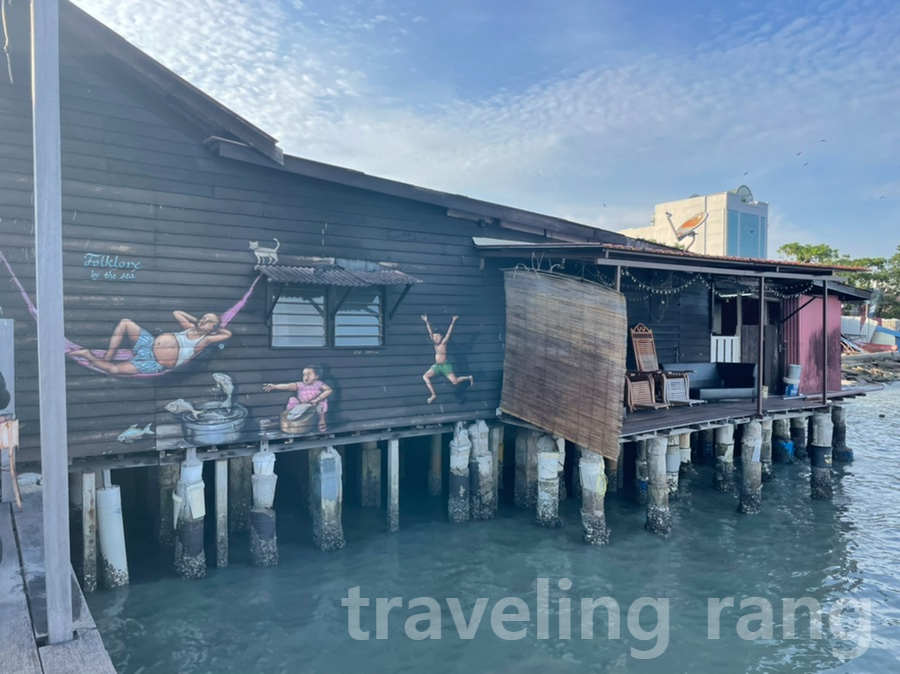
One highlight not to miss is the mural painted on the side of a wooden house along the jetty. Folklore by the Sea depicts Penang’s waterfront heritage — a father lounging after a hard day’s work, his children playing near the water, creating a heartwarming yet realistic depiction of life by the sea. The artist is Yip Yee Chong, a talented muralist who has contributed to much of the street art in Singapore.
A small tip: as you walk through, look for the building where this mural is painted — it’s on the side wall, not the front, so it’s easy to miss if you walk straight past. Pause, step back, and look around the corner.
It’s also worth noting that the murals here have been repainted over the years due to damage from salt air and sea wind. If you’ve seen photos from an earlier visit and notice the artwork looks different, that’s why — the originals deteriorated and have been replaced with new works.
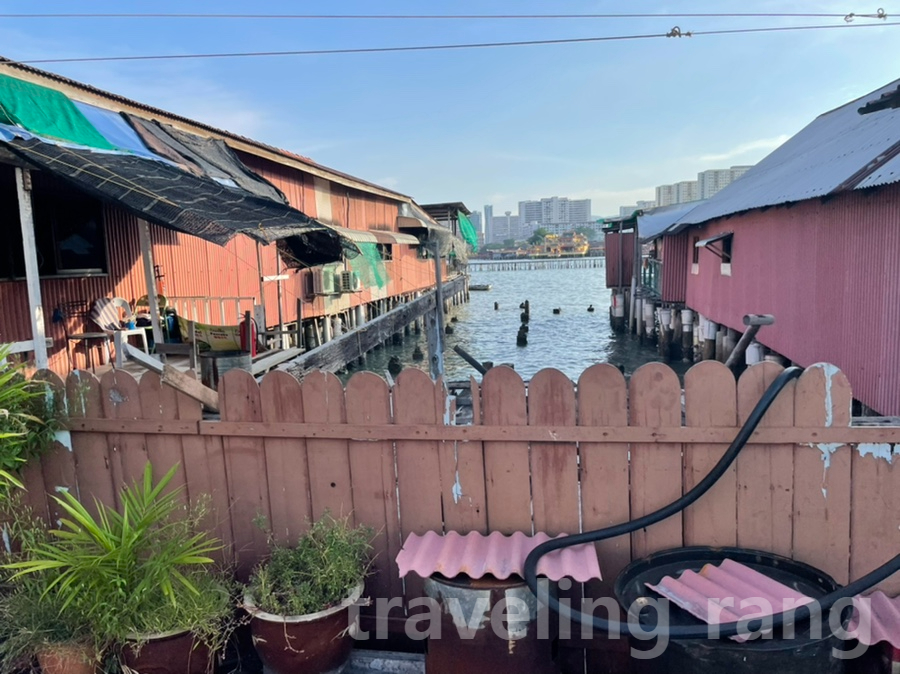
The End of the Pier and Sea Views
Follow the main walkway all the way to the end and you’ll be rewarded with open water views. On a clear day, you can see across to the Malaysian mainland (Butterworth), the distant outline of Penang Hill, and fishing boats bobbing in the strait. There’s a small covered dock area at the far end where, in the past, visitors could board boats for a short cruise. At the end of Chew Jetty, you can hop aboard a boat to view Penang from the water, costing around RM 20 per person. However, availability may vary — when I visited, the boat service wasn’t operating, so it’s worth checking on arrival rather than counting on it.
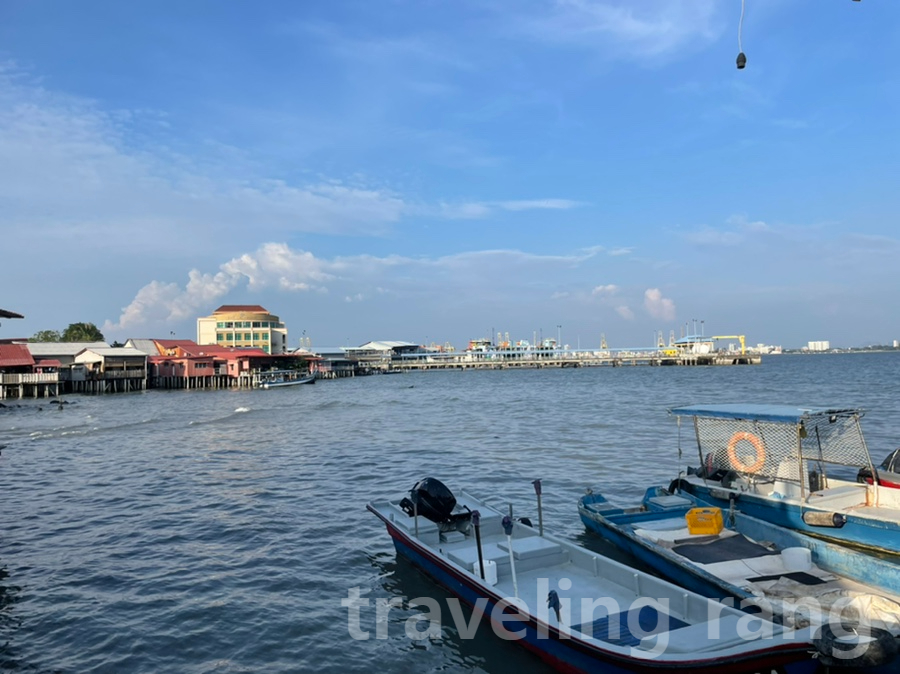
Practical Information for Visiting Chew Jetty Penang
| Detail | Information |
|---|---|
| Location | Weld Quay (Pengkalan Weld), George Town, Penang |
| Entrance Fee | Free (voluntary donation box at entrance) |
| Recommended Hours | 9:00 AM – 9:00 PM daily |
| Time Needed | 30–45 minutes (longer if you browse shops) |
| Getting There | Walk from George Town heritage zone / Grab / Rapid Penang bus to Weld Quay |
| Parking | Limited — better to arrive by Grab or on foot |
| Best Time to Visit | Early morning or late afternoon (cooler, less crowded) |
| Photography | Allowed; be respectful of residents’ privacy |
How to Get There
Chew Jetty is located in the Weld Quay area of George Town and is easily accessible from other parts of the city. The jetty is a short walk from the heritage zone, making it convenient to visit along with nearby attractions like Armenian Street and Pinang Peranakan Mansion. Ride-sharing services like Grab are a convenient option.
If you’re arriving from the mainland, take the ferry to the Penang Island terminal in George Town. Once you arrive at the ferry terminal, walk (about 20 minutes) or take a short taxi or Grab ride to Chew Jetty.
What to Wear and Bring
Penang is hot and humid year-round, and the jetty has very little shade. Wear light, breathable clothing and bring water. Walking shoes with a grip are better than sandals on the wooden walkways, especially in wet conditions. Cash is recommended for the donation box, snacks, and any small purchases.
Things to Do Near Chew Jetty Penang
Chew Jetty is ideally positioned to combine with a broader George Town itinerary. Within easy walking distance, you’ll find:
Fort Cornwallis — the largest surviving British fort in Malaysia, just a short stroll along the waterfront. It’s a great first or last stop on a George Town loop.
Queen Victoria Memorial Clock Tower — a distinctive Moorish-style landmark that marks a useful navigation point as you explore the heritage zone.
Armenian Street (Lebuh Armenian) — the epicentre of Penang’s famous street art scene, with murals by Lithuanian artist Ernest Zacharevic among others.
Pinang Peranakan Mansion — if you want to go deeper into Penang’s Chinese heritage, this restored Straits Chinese mansion is a fascinating complement to the more informal atmosphere of Chew Jetty.
Since Chew Jetty takes around 30 minutes to explore, it slots neatly into a half-day George Town walking route without feeling rushed.
Food and Drinks at Chew Jetty Penang
There are a handful of small food and drink stalls inside the jetty. One of the most popular stops is a shaved ice shop near the entrance offering mango bingsu-style desserts — a genuinely welcome cool-down after walking around in the Penang heat. The mango shaved ice is the signature item, and there are other cold drinks on the menu too.
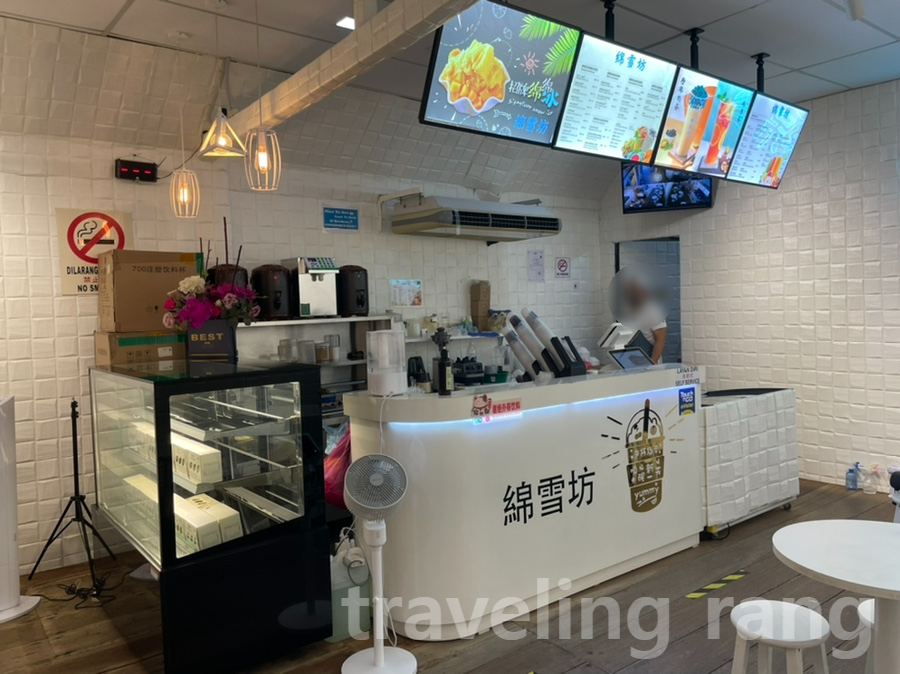
A word of honest advice: service at some stalls can be relaxed to the point of inattention. On my visit, a mango topping was missing from an order, and when flagged, it was brought out without much acknowledgment. The food itself was good — just temper expectations on the service side and enjoy the experience for what it is.
Outside the jetty on the main road are numerous street food stalls offering everything from freshly caught seafood to traditional snacks. If you want a more substantial meal, the area surrounding Weld Quay has plenty of options.
FAQ
[FAQ 1] Is Chew Jetty Penang free to visit?
Yes, entry to Chew Jetty is completely free. There is a voluntary donation box at the entrance, and contributions go toward maintaining the village. Supporting local shops and food stalls inside is another great way to give back to the community.
[FAQ 2] How long should I spend at Chew Jetty Penang?
Most visitors find that 30 to 45 minutes is enough to walk the main boardwalk, explore the side alleys, and take in the sea views at the end of the pier. If you enjoy browsing the souvenir shops or stopping for a cold drink, allow up to an hour.
[FAQ 3] What is the best time to visit Chew Jetty Penang?
Early morning (before 10 AM) or late afternoon (after 4 PM) are the best times to visit. The midday heat can be intense on the open wooden walkways, and weekends tend to draw larger crowds. During Chinese New Year, the jetty is beautifully decorated and particularly atmospheric — though expect significantly more visitors.
More Penang Travel Guides
Fort Cornwallis Penang: An Honest Visitor’s Guide to George Town’s Most Famous Landmark